cpeditor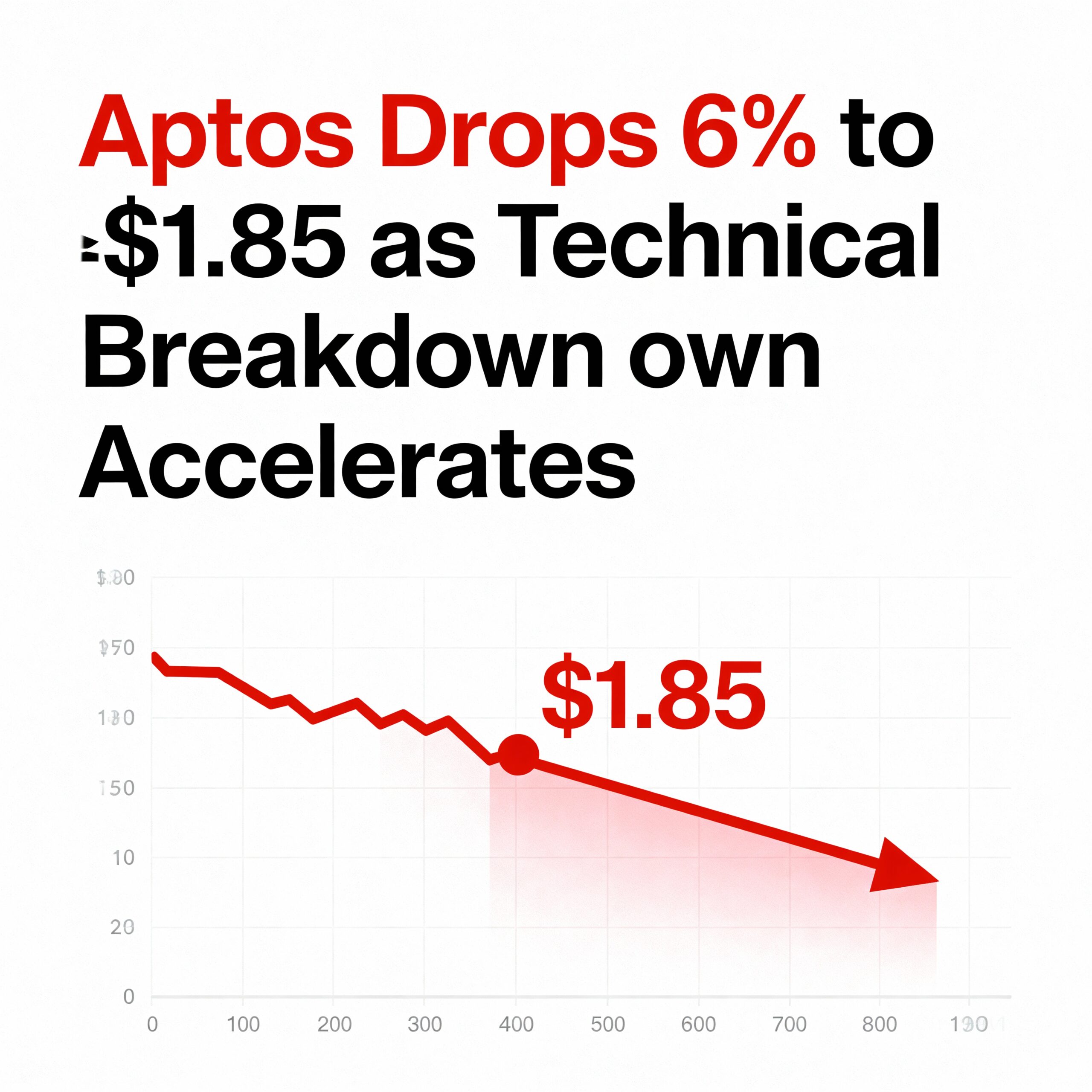
Aptos (APT) broke through key support levels and lagged the broader crypto market, which saw the CoinDesk 20 index down 2.5% at the time of publication.
Trading volume remained subdued at just 10.8% of the 30-day average, suggesting that APT’s decline lacked broad market participation, according to CoinDesk Research’s technical analysis model. The model highlighted that Aptos carved out a $0.17 trading range, reflecting 8.5% volatility, as multiple waves of selling pressure drove the token to fresh session lows.
Despite the recent weakness, price action shows early signs of stabilization. A potential double-bottom pattern formed near $1.842, indicating that institutional buyers may have stepped in at these depressed levels. CoinDesk’s model described this as the first technical bright spot after several days of sustained selling pressure.
Technical Analysis:
- Double-bottom support holds at $1.842, with psychological resistance at $1.90. The previous breakdown level at $1.87 now acts as overhead supply.
- Heavy selling volume of 3.54 million confirms the legitimacy of the breakdown, while subsequent lighter volume suggests easing selling pressure.
- A descending trendline break completes the $0.17 range decline, with the double-bottom formation signaling a potential floor.
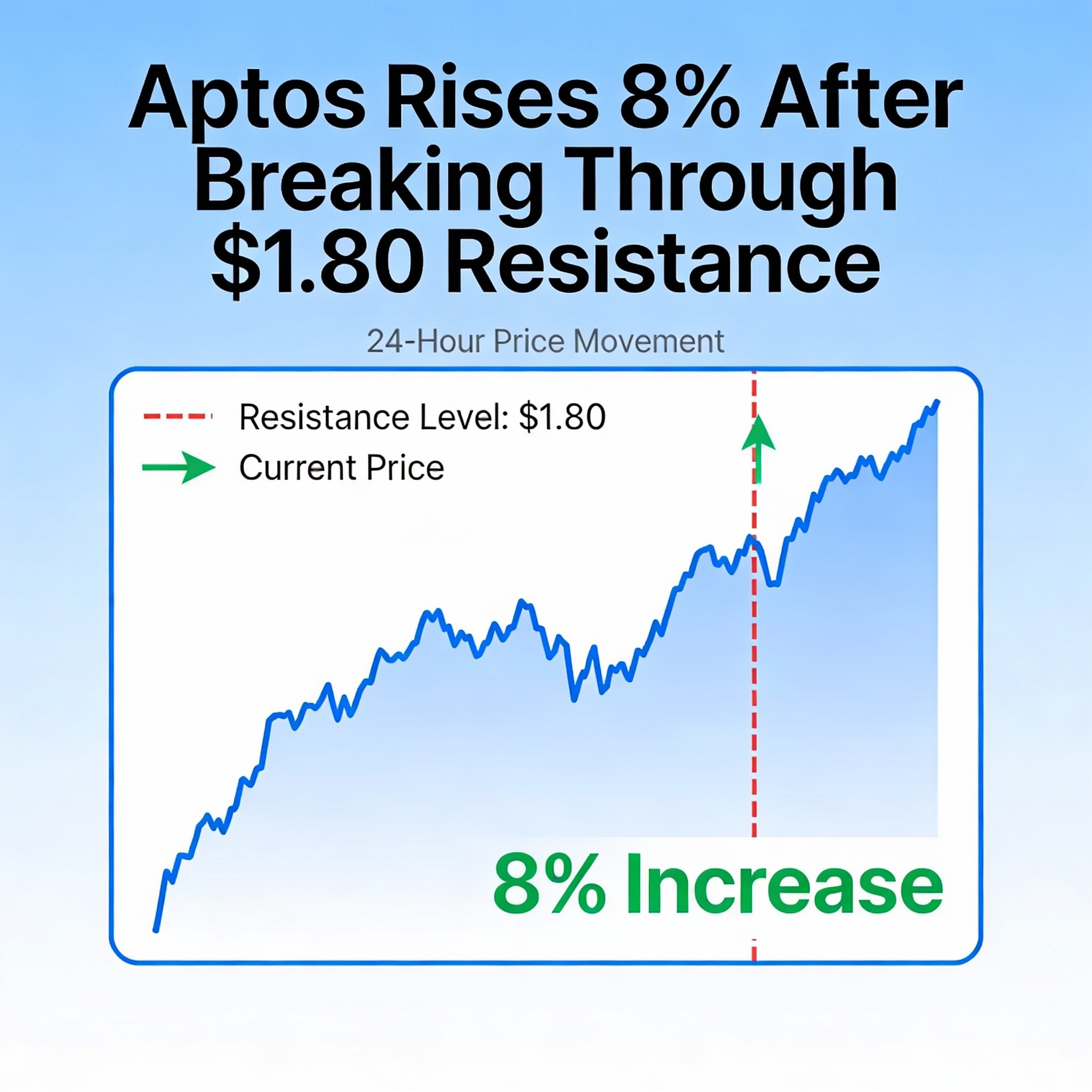
- Immediate resistance targets $1.87, the former support level, while downside risk extends to $1.80 if the double-bottom fails.