cpeditor
Bitcoin Holds Above $87K as Traders Brace for U.S. Tariffs and Inflation Report
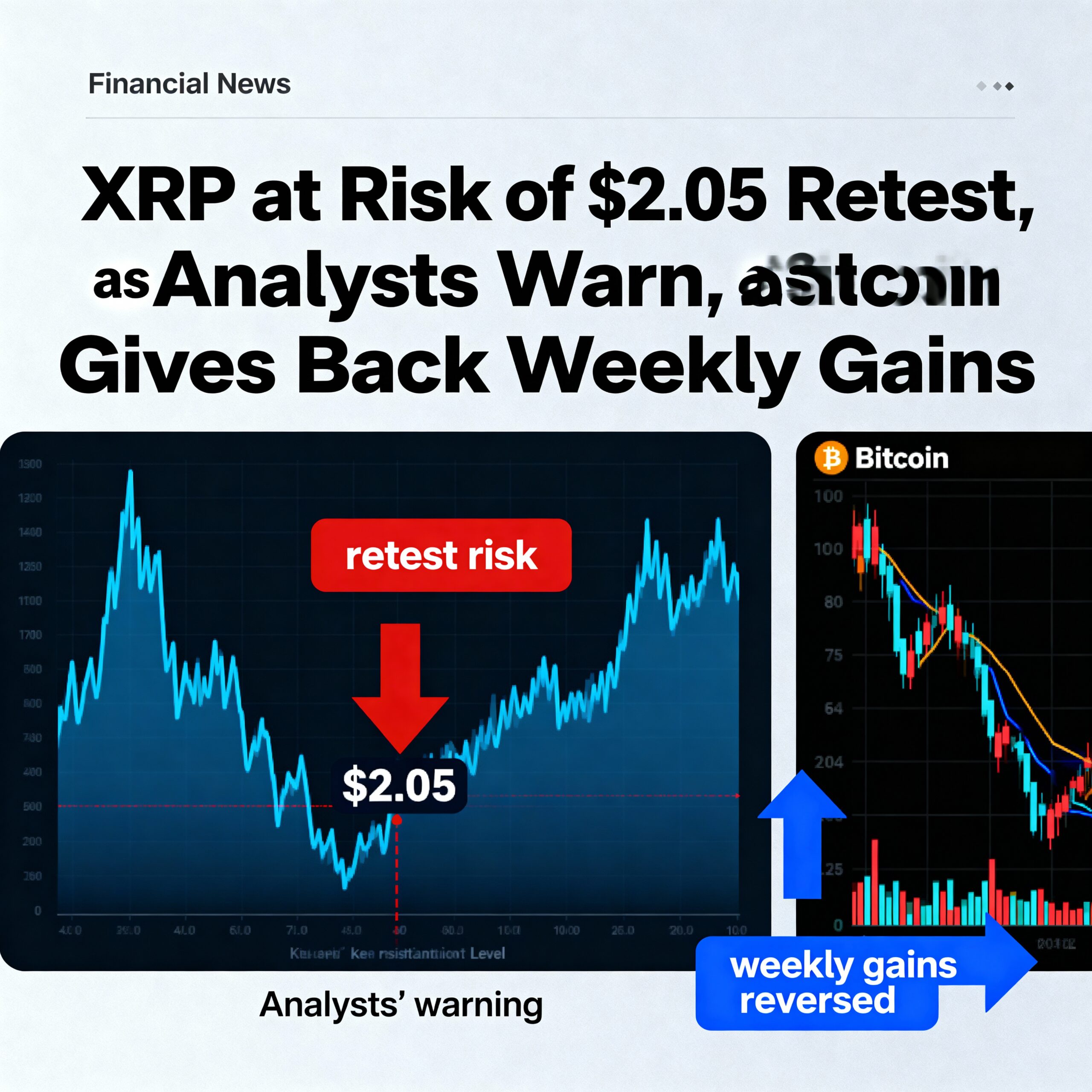
Bitcoin (BTC) remained steady above $87,000 on Wednesday as traders assessed upcoming U.S. economic data and the potential impact of new tariffs set to take effect on April 2. With uncertainty in the air, most investors opted for a wait-and-see approach, keeping broader market movements subdued.
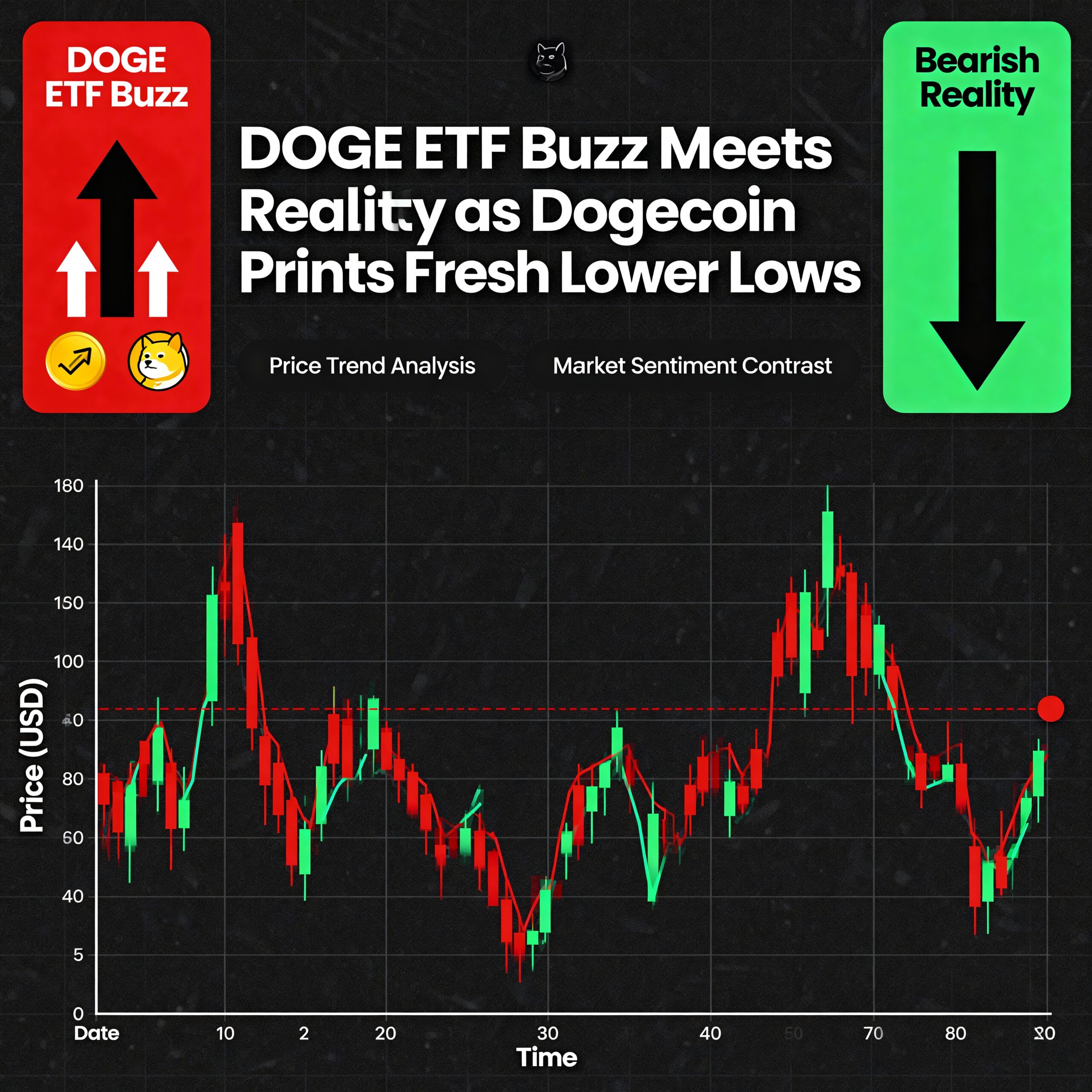
In the past 24 hours, major cryptocurrencies saw limited price action. Solana (SOL), XRP, Binance Coin (BNB), and Ethereum (ETH) posted gains of under 3%, while memecoins outperformed, with Dogecoin (DOGE) jumping 5.5%—marking its second consecutive day of gains.
Other high-risk tokens, including Pepe (PEPE) and Mog (MOG), also saw increased interest, reflecting their correlation with Ethereum’s momentum. Meanwhile, Shiba Inu (SHIB) surged 11%, driven by renewed speculation in meme tokens and a 228% spike in trading volume on the ShibaSwap exchange over the past month. SHIB futures open interest has risen over 20% since Sunday, suggesting traders are expecting increased volatility.
Market Cautious Amid Economic Uncertainty
Despite short-term gains, broader concerns about the U.S. economy linger. A recent unwinding of momentum trades in equities has prompted institutional investors to take a more defensive stance.
“We expect a gradual market rebound heading into the end of March, with the next big catalyst being Trump’s ‘Liberation Day’ tariff announcement on April 2,” said Augustine Fan, Head of Insights at SignalPlus, in a message to CoinDesk. He noted that speculation about a softer tariff stance could help U.S. stocks recover from recent weakness, potentially driving a broader risk-on rally.
Fan also emphasized that crypto markets remain highly correlated with equities. “For now, we don’t see a strong crypto-specific catalyst. However, recent merger and acquisition activity involving Coinbase and Kraken reinforces confidence in the long-term bullish outlook,” he said.
Meanwhile, analysts at QCP Capital pointed out that historically, the second quarter—especially April—has been one of the strongest periods for risk assets.
“The S&P 500 has historically delivered an average Q2 annualized return of 19.6%, while Bitcoin has recorded its second-best median performance during this stretch, trailing only Q4,” QCP stated. However, options markets remain cautious, with traders hesitant to take aggressive bullish positions until more clarity emerges on tariffs and macroeconomic trends.
Key Inflation Data Could Drive Bitcoin’s Next Move
With Bitcoin trading in a narrow range, attention is now shifting to the upcoming Personal Consumption Expenditure (PCE) report, set for release on March 28. The PCE index, a key measure of inflation, influences Federal Reserve policy decisions and could significantly impact market sentiment.
A higher-than-expected PCE reading could signal persistent inflation, increasing the likelihood of interest rate hikes that may dampen risk appetite and put downward pressure on Bitcoin. Conversely, a weaker PCE figure could reinforce expectations of rate cuts, boosting liquidity and supporting Bitcoin as both a speculative asset and an inflation hedge.
As traders navigate these macroeconomic developments, Bitcoin’s next major move will likely hinge on how markets react to the tariff announcements and inflation data in the coming days.