cpeditor
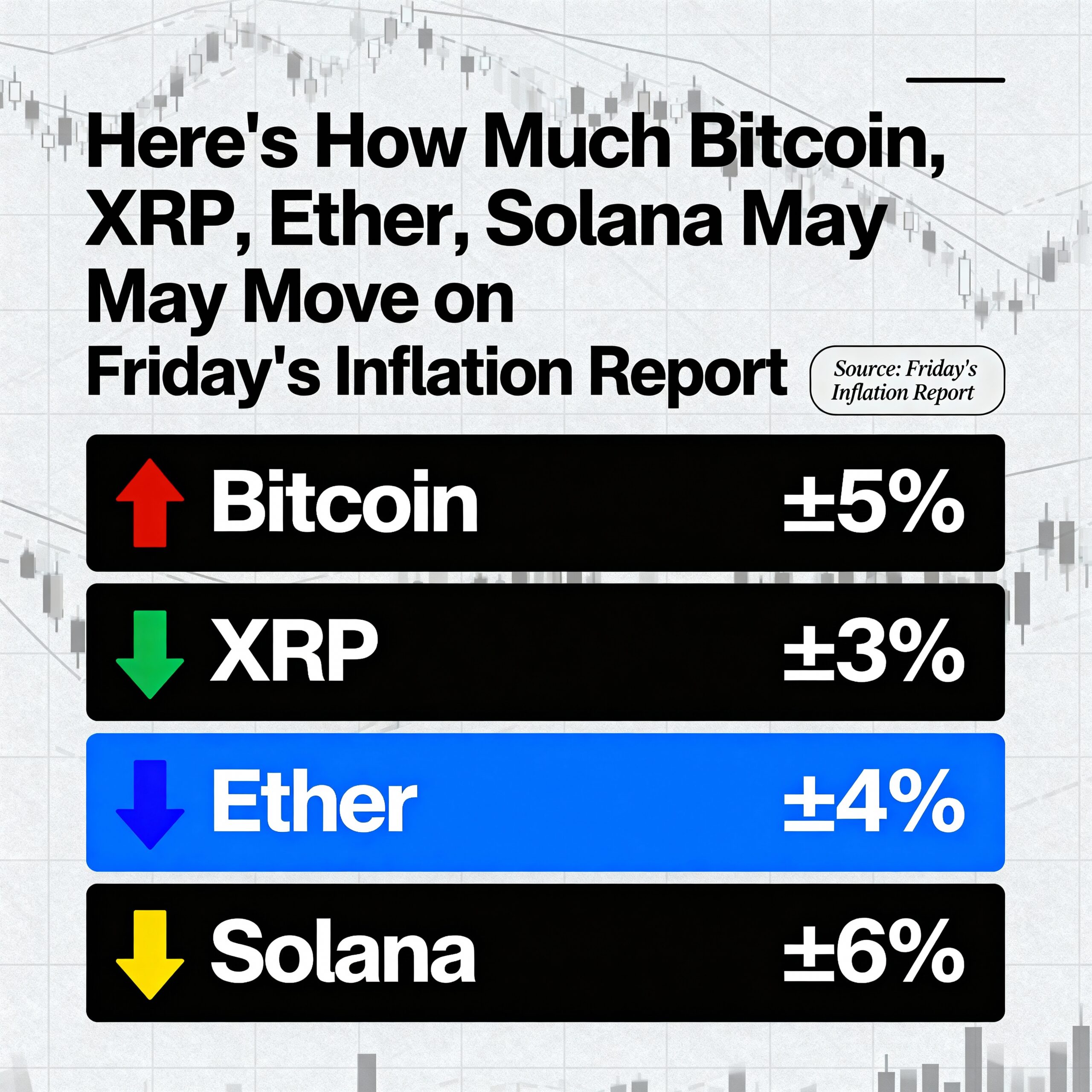
Investors are now turning their attention to Friday’s Core PCE inflation report, a vital economic indicator the Federal Reserve uses to assess inflationary pressures, according to market analysts.
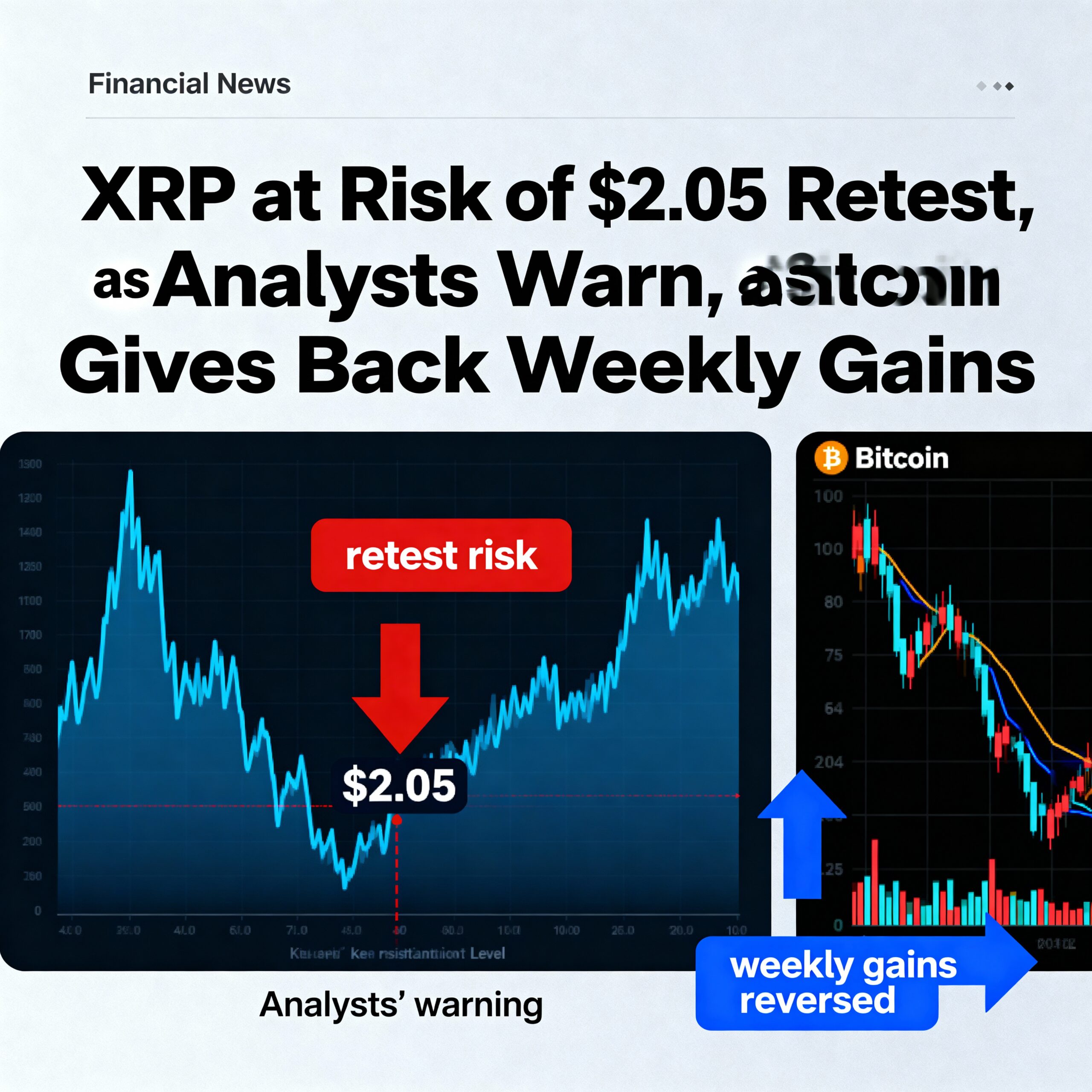
Bitcoin (BTC) slipped slightly by about 1% in the last 24 hours, while XRP (XRP) and Dogecoin (DOGE) each declined around 2.5%, suggesting the market’s recent recovery remains fragile.
The crypto market faced turbulence late last week after U.S. President Donald Trump proposed hiking tariffs on European imports from 20% to 50%, sparking a wave of selling across risk assets.
“Bitcoin’s rebound followed Trump’s decision to delay the tariff increase, which had triggered market jitters over the weekend,” said Jeffrey Ding, chief analyst at HashKey Group, in a message to CoinDesk.
“Traders are encouraged by these developments, viewing them as a boost to market stability and risk appetite, particularly with hints from MicroStrategy’s Michael Saylor about upcoming Bitcoin acquisitions,” he added.
Calming investor nerves, Trump announced on Monday that the tariff implementation would be postponed until July 9, after holding a constructive phone call with European Commission President Ursula von der Leyen.
Nonetheless, Singapore’s QCP Capital warned Monday that this episode serves as a reminder of how quickly policy shifts can upset market equilibrium.
The implied volatility gap between July and June Bitcoin options, which had surged above 2 volatility points last week, has since compressed below 1, indicating traders are anticipating further developments ahead of the tariff deadline.
This volatility spread measures expected price fluctuations in Bitcoin between the two months, reflecting growing market caution.
All eyes are now fixed on the Core PCE inflation number set to be released this Friday. This inflation measure excludes volatile food and energy prices and remains a key gauge used by the Fed for policy decisions.
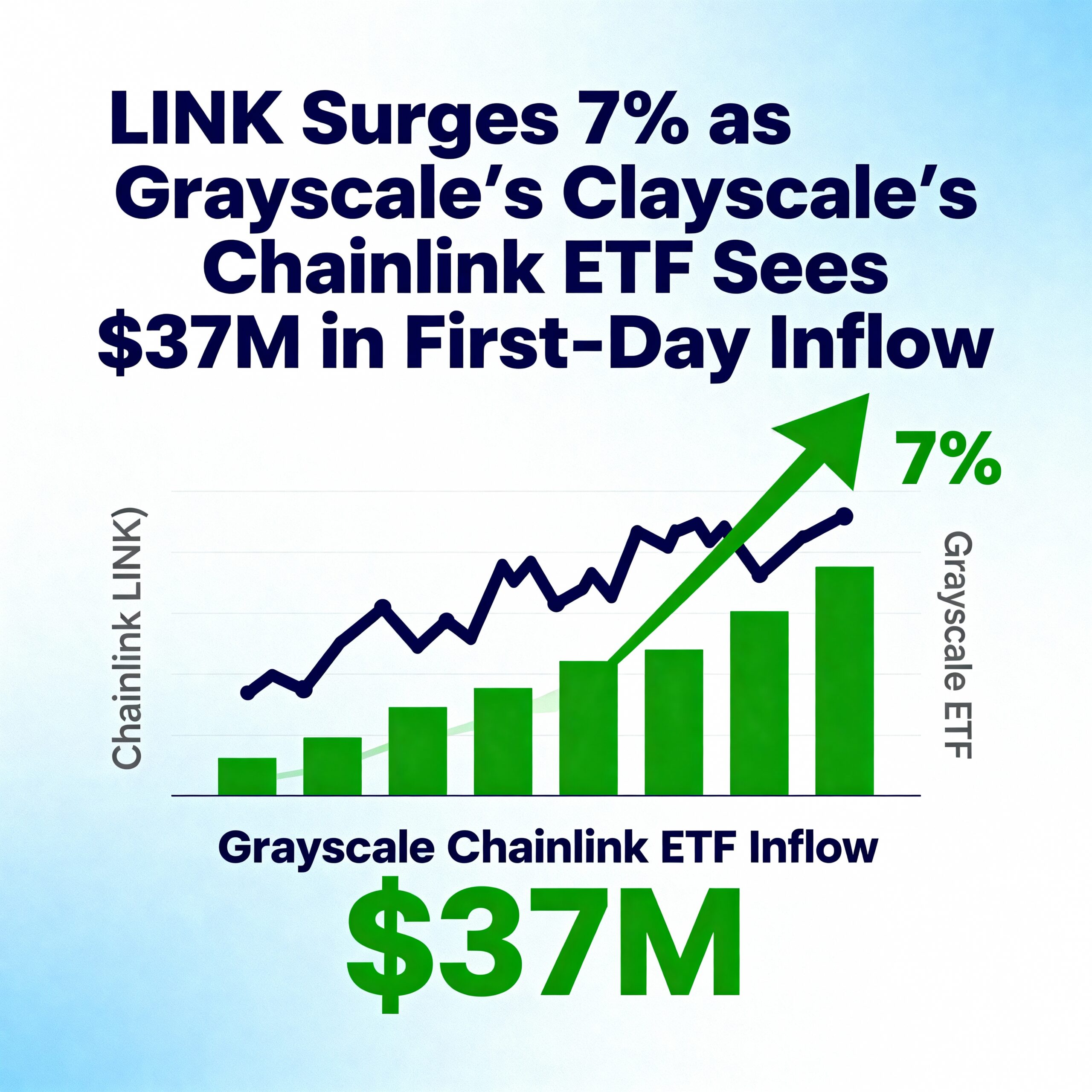
Meanwhile, institutional demand continues to underpin crypto markets, with BlackRock’s IBIT ETF logging 30 straight days of net inflows — a rare streak highlighting persistent institutional conviction.
Still, market watchers note crypto’s resilience has been measured rather than overwhelming. QCP pointed out that traditional tech ETFs like the TQQQ have seen cautious flows, contrasting with crypto’s steadier footing.
“In today’s unpredictable policy environment,” QCP said, “cryptocurrency is increasingly viewed as the reliable, mature asset class.”