cpeditor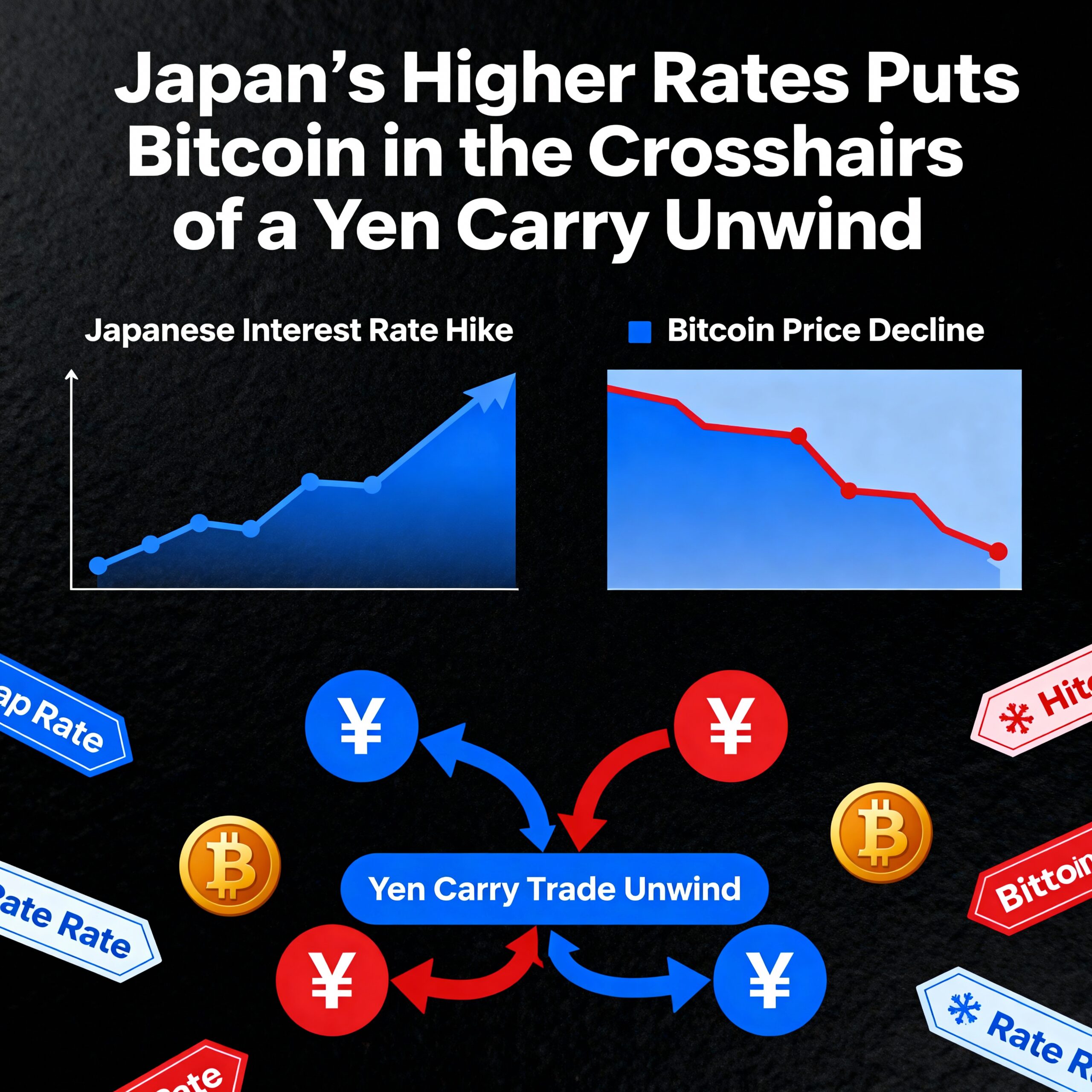
Bank of Japan Rate Hike Could Ripple Through Global Markets, Impacting Bitcoin
The Bank of Japan is set to raise interest rates at its December policy meeting, a move that would push the nation’s benchmark rate to its highest level since 1995 and potentially influence global risk assets, including cryptocurrencies.
Sources familiar with the matter told Bloomberg that policymakers are leaning toward a 25-basis-point increase to 0.75% at the Dec. 19 meeting, assuming no major shocks hit global markets or Japan’s domestic outlook. Following the report, the yen strengthened, climbing from just above 155 to roughly 154.56 per dollar on Friday.
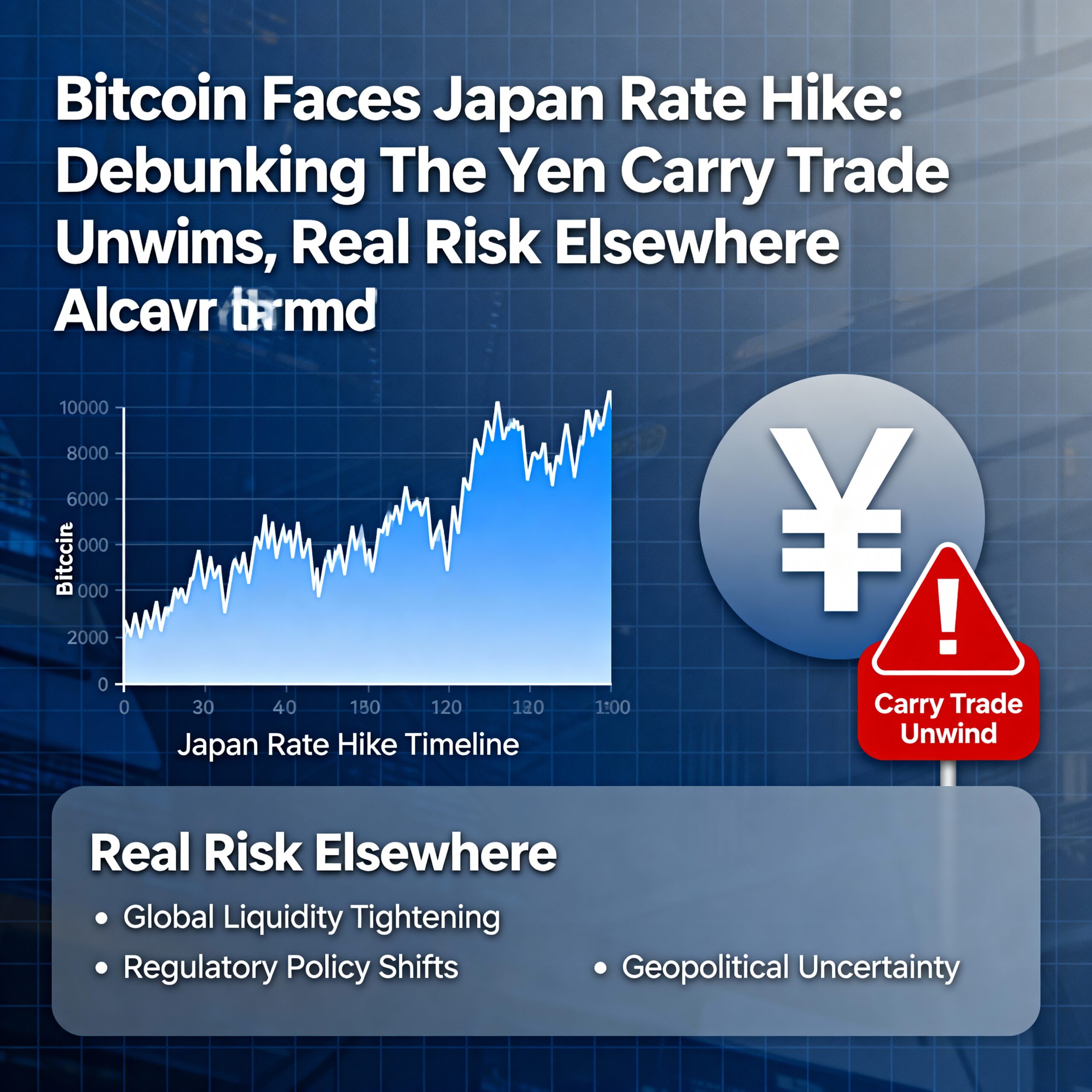
The potential consequences extend through the yen-funded carry trade, one of the longest-standing macro linkages in finance. Hedge funds and proprietary trading desks have traditionally borrowed yen at ultra-low rates to finance leveraged positions in higher-yielding assets — a structure that persisted under nearly three decades of near-zero BOJ policy.
A shift toward higher Japanese rates diminishes the appeal of this trade and could prompt adjustments in markets where leverage and liquidity are most sensitive, including bitcoin. A stronger yen often coincides with broad risk-off sentiment, which could tighten liquidity conditions that recently supported bitcoin’s rebound from November lows.
Earlier this week, BTC dipped toward $86,000 before recovering to over $93,000 alongside U.S. equities. The cryptocurrency continues to be heavily influenced by global interest rate expectations amid a period of macro-driven volatility.
BOJ Governor Kazuo Ueda signaled Monday that the board would make an “appropriate decision” on rates, echoing language used prior to previous hikes. Market pricing now reflects almost a 90% probability of a December increase. Prime Minister Sanae Takaichi’s key ministers are not expected to oppose the move.
Officials are also likely to signal readiness for further tightening if their economic outlook is confirmed, though they remain cautious about committing to a defined path.
For bitcoin traders, the key risk lies less in Japan’s ultimate terminal rate than in the potential disruption of a decades-long source of global liquidity. Rising yen funding costs may prompt leveraged macro funds to reduce exposure to BTC and other high-volatility assets. Yet a measured, incremental BOJ tightening, without sharp equity market drawdowns, could have only a limited near-term impact — especially as expectations for U.S. rate cuts grow.