cpeditor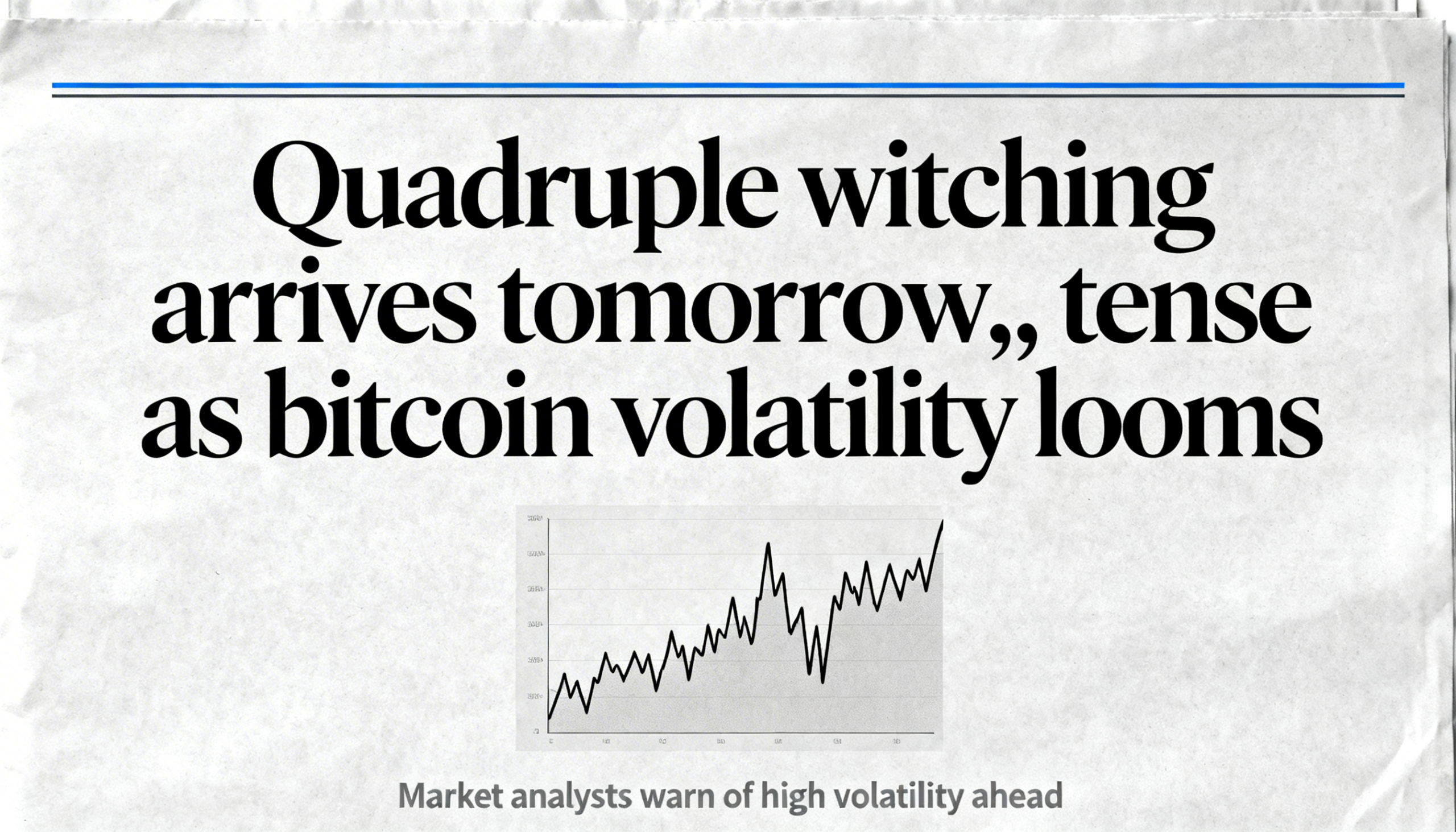
Markets are bracing for Friday’s quadruple witching event, a large-scale derivatives expiry that could influence bitcoin and broader risk assets in the near term.
The quarterly event, held on the third Friday of March, June, September and December, sees stock index futures, stock index options, single-stock options and single-stock futures expire at the same time. This convergence typically drives a surge in trading volumes as investors close or roll positions, often heightening volatility in equities.
While data for the March 2026 expiry has yet to be released, prior events highlight the magnitude. In March 2025, roughly $4.7 trillion in contracts expired, with the session marking the highest S&P 500 trading volume of the year, according to TradeStation.
Such large expiries tend to force institutional investors to rebalance portfolios, unwind hedges and recalibrate risk exposure within a short period. Activity is often concentrated in the final hour of trading, when liquidity peaks and price swings can become more pronounced.
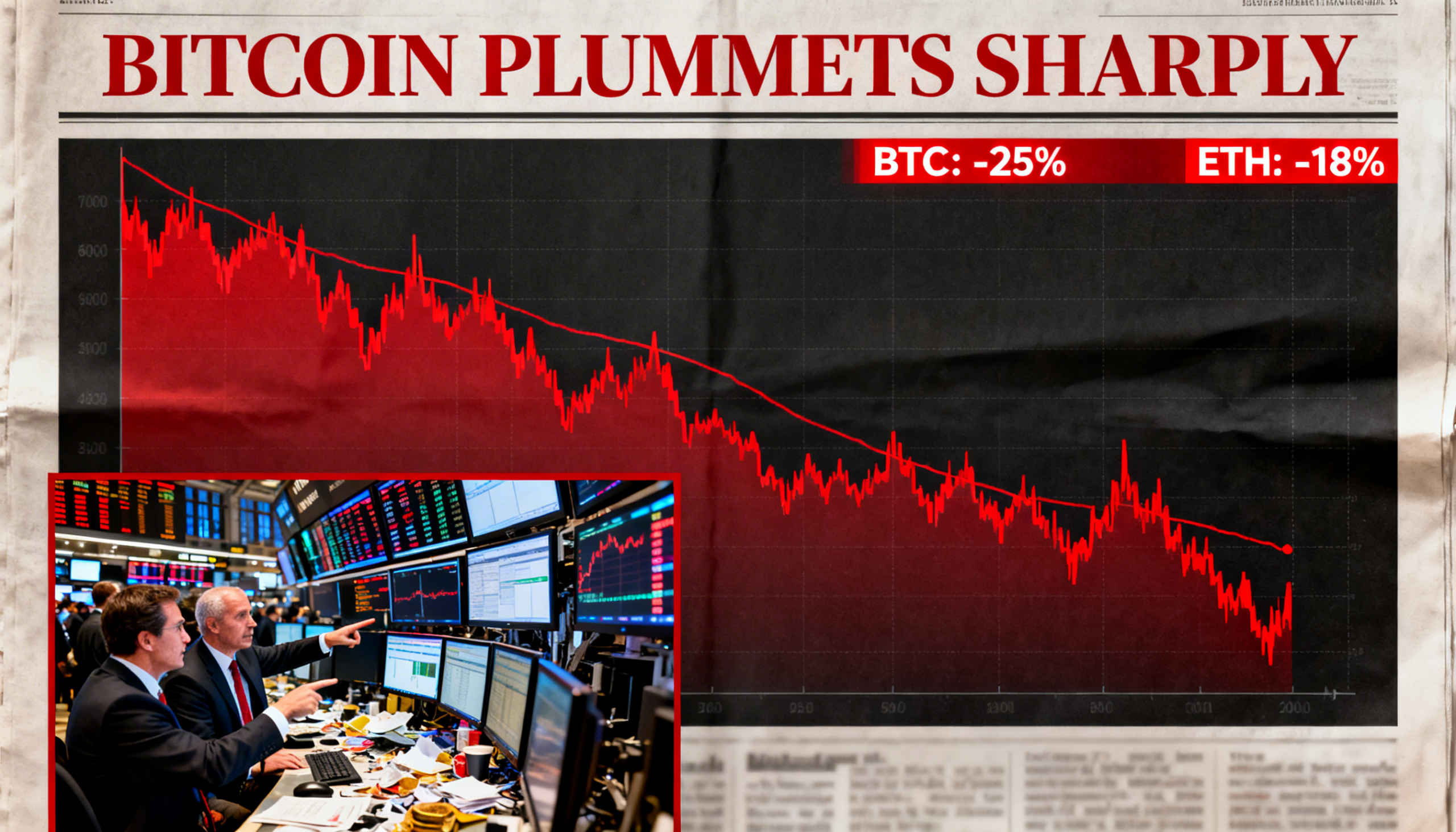
This quarter’s expiry arrives amid heightened macro uncertainty. Ongoing tensions in the Middle East have pushed oil prices toward $120 per barrel, while gold has slipped below $4,600 and bitcoin has traded below $69,000. Meanwhile, the VIX volatility index has risen above 35, its highest level in a year, pointing to elevated stress across markets.
Although rooted in traditional finance, quadruple witching can spill over into crypto. Bitcoin’s growing correlation with equities means sharp moves in traditional markets can quickly impact digital assets.
Volmex Finance CEO Cole Kennelly said the event could drive cross-asset volatility, noting that the Bitcoin Volmex Implied Volatility (BVIV) Index has been trending higher into the expiry.
Historical trends suggest bitcoin’s price action on the day itself is often subdued, with more significant moves emerging afterward.
Following the March expiry last year, bitcoin showed limited immediate reaction but weakened in the weeks that followed. A similar pattern appeared in June, when a modest decline on the day led to further downside within days.
In September, bitcoin again moved only slightly during the event before dropping more sharply in the following week. December’s expiry saw a short-term gain, though prices remained under pressure in a broader downtrend.
Taken together, the data suggests a recurring pattern of muted price action during quadruple witching, followed by weakness in the days to weeks after.
Even if Friday’s event does not trigger immediate volatility, crypto markets face another key catalyst soon after. On March 27, about $13.5 billion in bitcoin options are set to expire on Deribit, with positioning pointing to elevated demand for volatility strategies rather than clear directional bets.