cpeditor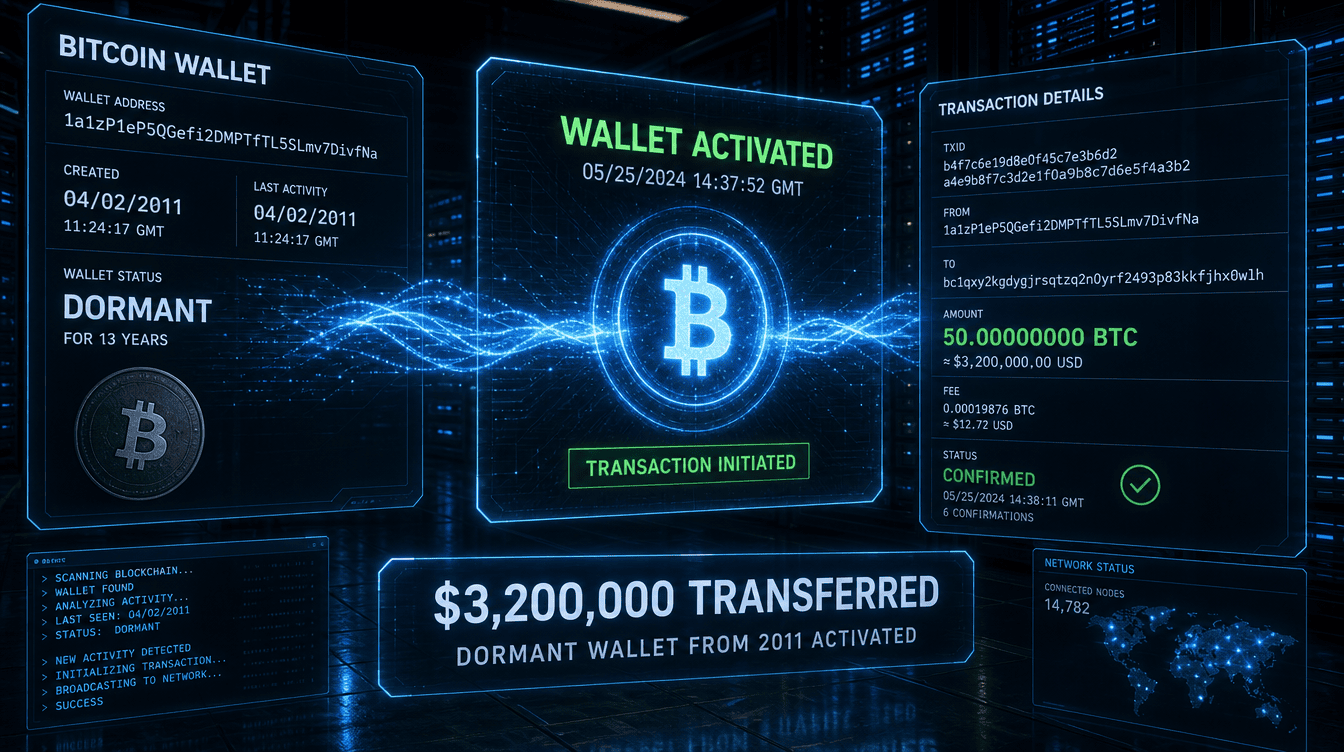
A Bitcoin address that had remained dormant since 2011 recently moved almost 50 BTC, worth roughly $3.2 million, to a wallet that has previously been linked to transactions involving institutional crypto brokerage FalconX.
The transferred 49.97 BTC was still sitting in the receiving address as of Friday, meaning there is no proof that the funds were sold, moved to FalconX, or sent to another exchange. However, the wallet’s past activity with FalconX-associated deposit addresses has raised the possibility that the owner may be restructuring holdings or moving funds closer to an institutional trading platform.
According to Galaxy Research, the wallet first received the Bitcoin on July 16, 2011, when BTC was valued at about $10. The coins had remained untouched for more than a decade, turning into a multimillion-dollar holding after years of Bitcoin price growth, market crashes, and industry changes.
The transaction appeared in block 961331 at 20:14 UTC on Aug. 6. It combined four inputs from the dormant wallet totaling 49.97 BTC with two smaller inputs from separate addresses. The transfer sent 50 BTC to a SegWit address, while another output received approximately 0.00116 BTC after transaction fees.
SegWit, or Segregated Witness, is a Bitcoin transaction format introduced to improve network efficiency by reducing transaction size and lowering costs. Addresses beginning with “bc1” generally use this format.
The receiving wallet was not a newly created address. Arkham’s blockchain data shows it has been active for years and previously transferred 6.336 BTC and 16.131 BTC to addresses identified as FalconX deposit wallets.
The wallet has also received Bitcoin from addresses associated by Arkham with a Nexo hot wallet and Prime Trust custody.
Despite the large transfer, the newly received Bitcoin remained in the wallet by Friday morning. Blockchain data does not show that the coins have been sold, deposited into FalconX, or moved to another trading platform.
Old Bitcoin wallets often attract attention when they become active because many early holders purchased their coins when Bitcoin was worth only a few dollars.
However, moving coins from a dormant address does not necessarily indicate a sale. Such transactions may reflect a variety of actions, including wallet upgrades, changes in custody arrangements, asset consolidation, or preparations for future transfers.
The transaction comes amid renewed concerns over Bitcoin storage security following a major cold-wallet exploit that affected long-term holders.
Coldcard manufacturer Coinkite recently advised users to transfer their funds after discovering a firmware vulnerability dating back to 2021 that could compromise private keys generated by affected devices. The company said attackers have drained as much as $114 million from vulnerable wallets since July 30 in several waves of attacks.
There is no evidence connecting the 2011 wallet movement to the Coldcard vulnerability, and the address existed years before the hardware wallet was launched. Still, the incident has prompted some long-term Bitcoin holders to review their storage methods, potentially contributing to more activity from previously inactive wallets.