cpeditor
Markets Brace for Fed Rate Cut: Short-Term Volatility Expected, Longer-Term Gains Likely
Investors are preparing for the Federal Reserve’s Sept. 17 policy decision, widely expected to deliver a 25-basis-point rate cut. Historical trends suggest markets may experience short-term turbulence, but risk assets, Bitcoin, and gold could see significant gains over the longer term.
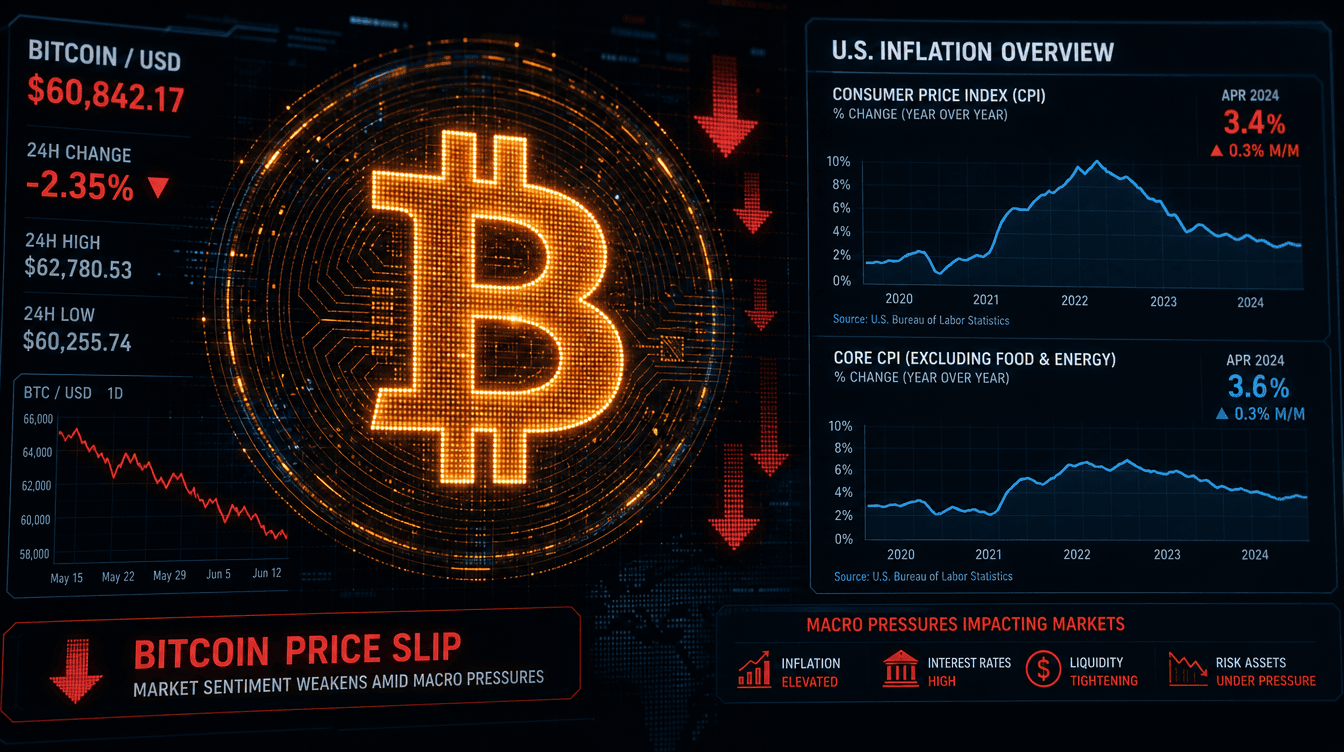
Recent economic data illustrates the Fed’s delicate balancing act. The U.S. Bureau of Labor Statistics reported that consumer prices rose 0.4% in August, pushing the annual CPI to 2.9% from 2.7% in July. Core CPI increased 0.3%, reflecting steady inflation pressures. Producer prices painted a similar picture: while headline PPI slipped 0.1% month-over-month, core PPI rose 2.8% year-over-year—the largest annual gain since March—underscoring persistent inflation despite slower growth.
The labor market continues to cool. Nonfarm payrolls grew by only 22,000 in August, with losses in federal and energy jobs offsetting modest gains in healthcare. Unemployment held at 4.3%, and labor force participation remained at 62.3%. Wage pressures persist, with average hourly earnings up 3.7% year-over-year.
Bond markets reflect these dynamics. The 2-year Treasury yield is 3.56%, the 10-year at 4.07%, leaving a modestly inverted curve. CME FedWatch shows a 93% probability of a 25-basis-point cut. Markets may react with a “buy the rumor, sell the news” pattern, as much of the relief is already priced in.
Equities remain near record highs. The S&P 500 closed at 6,584, up 1.6% for the week, rebounding from a late-August pullback. Nasdaq notched five consecutive record closes, while the Dow remained below 46,000 but posted weekly gains.
Cryptocurrencies and commodities have also rallied. Bitcoin trades near $115,234, below its Aug. 14 all-time high but well above its 2025 lows, with the global crypto market cap at $4.14 trillion. Gold is approaching record levels at $3,643 per ounce, supported by lower real yields and inflation hedging demand.
Historical precedent offers cautious optimism. Analysis from the Kobeissi Letter, citing Carson Research, shows that in 20 prior cases since 1980 when the Fed cut rates within 2% of the S&P 500 all-time highs, the index rose one year later, averaging 14% gains. Short-term volatility is common: in 11 of 22 cases, stocks fell in the month following the cut. Analysts expect a similar pattern this time—initial turbulence followed by sustained upward momentum for equities, Bitcoin, and gold.
The Fed faces a delicate balancing act. Cutting rates while inflation remains elevated risks credibility, while maintaining current rates could unsettle markets that have priced in easing. Investors will closely monitor the Fed’s message on growth, inflation, and policy direction, which will likely shape market trends for months ahead.