Admin
Czech Central Bank Weighs Bitcoin as Reserve Asset, Governor to Present Proposal
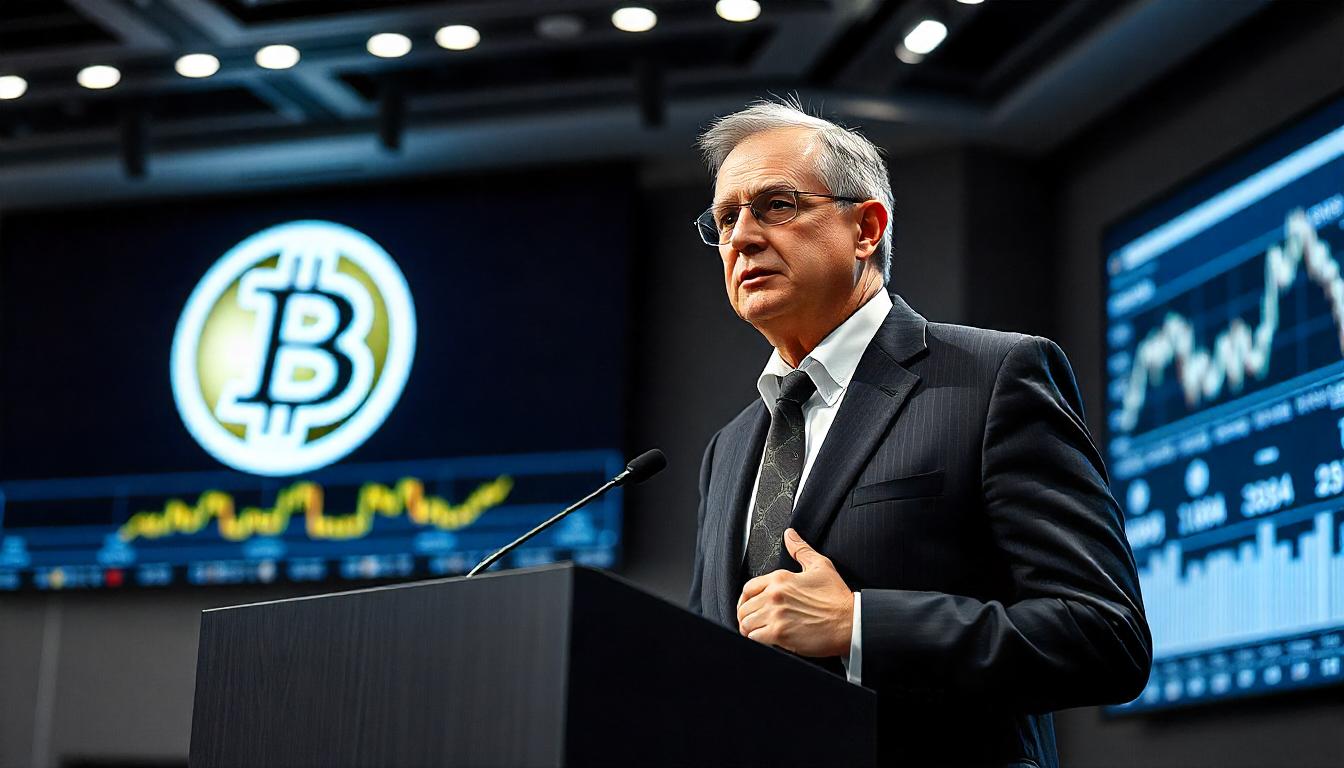
Czech National Bank (CNB) Governor Ales Michl is set to propose adding Bitcoin (BTC) to the country’s foreign reserves in a meeting with the central bank’s board on Thursday. If approved, the plan could see up to 5% of the CNB’s $146.13 billion reserves allocated to the leading cryptocurrency, according to an interview published by the Financial Times (FT).
“For asset diversification, Bitcoin is worth considering,” Michl said in the interview, as reported by FT and Reuters. He noted the increasing institutional acceptance of Bitcoin, particularly after major firms like BlackRock introduced spot Bitcoin ETFs last year.
“Bitcoin is under review as a potential reserve asset due to its low correlation with bonds, which makes it an interesting component of a diversified portfolio,” Michl said in a post on X (formerly Twitter). “At this stage, it’s purely an analytical discussion. The Bank Board will make the final decision, but no immediate action is planned.”
Despite expressing interest, Michl acknowledged Bitcoin’s volatility as a key factor requiring further evaluation. “Given Bitcoin’s price fluctuations, we need to assess its role in our reserves carefully. On Thursday, I will request our team to conduct a deeper analysis before any conclusions are reached,” he added.


 cpeditor