cpeditor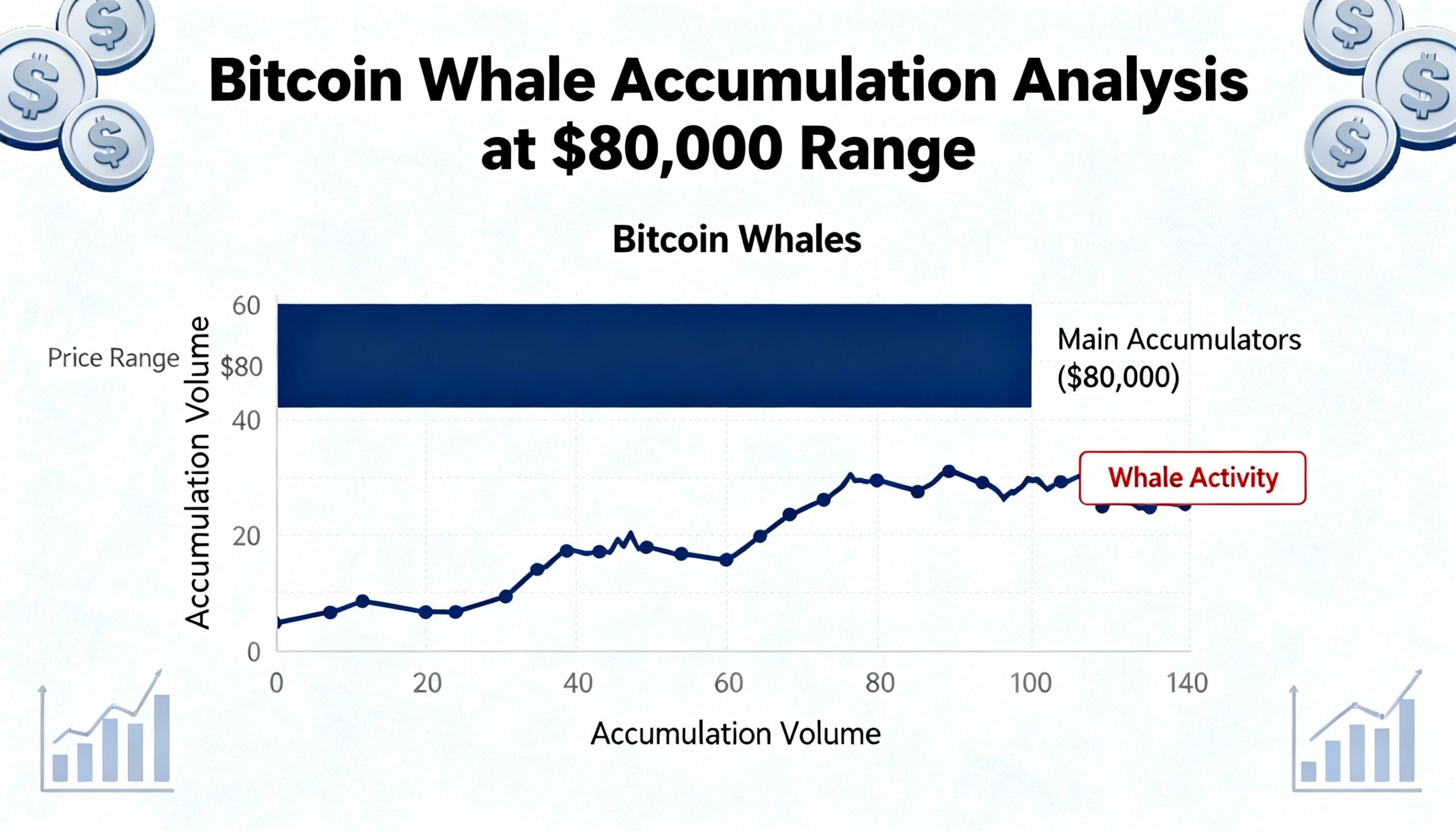
Bitcoin whales have dominated buying activity since the cryptocurrency found support near $80,000 in late November, according to Glassnode data. Wallets holding at least 1,000 BTC continue to lead accumulation even as bitcoin trades just below the $90,000 level.
The data shows that the 1,000–10,000 BTC cohort is the only group exhibiting sustained accumulation, with its Accumulation Trend Score nearing 1. This metric tracks net buying and selling across wallet sizes over a 15-day period, with readings closer to 1 signaling accumulation and those nearer 0 indicating distribution.
Large holders appear to be steadily accumulating bitcoin in the $80,000 range — a price zone where the asset has spent relatively little time compared with other levels. In contrast, smaller holders are largely distributing, with all sub-1,000 BTC cohorts showing varying degrees of selling pressure.
The divergence comes as the Crypto Fear and Greed Index has remained in “fear” or “extreme fear” territory for roughly the past month, suggesting that selling by smaller investors may reflect capitulation.
Meanwhile, wallets holding more than 10,000 BTC were aggressive buyers when bitcoin dipped toward $80,000 in late November, though their accumulation has slowed in recent weeks. Even so, the cohort has yet to turn into net sellers — a behavior that was prevalent when bitcoin peaked above $100,000 earlier in the year.