cpeditor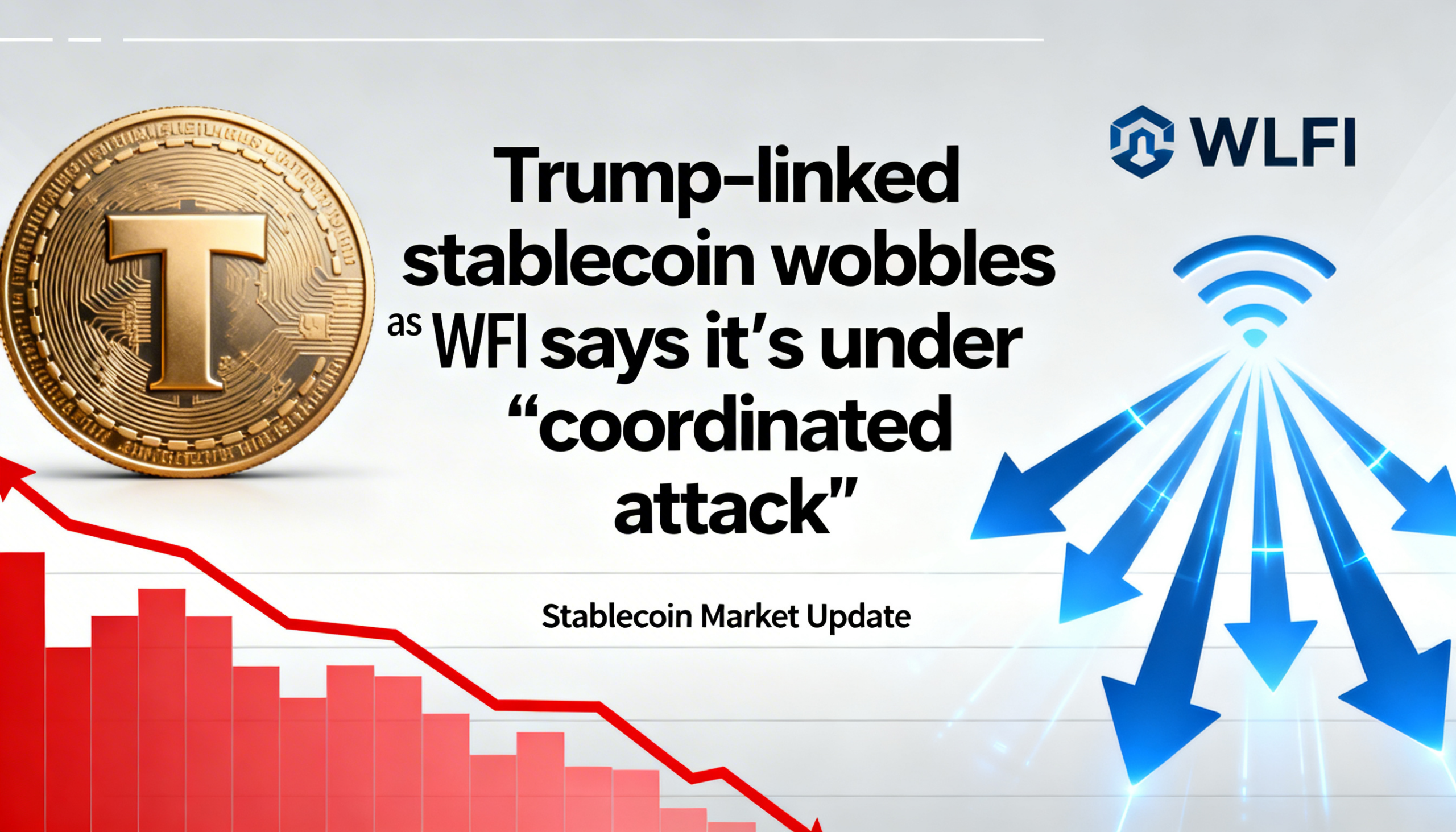
USD1, the dollar-pegged stablecoin issued by World Liberty Financial — a crypto project associated with the family of U.S. President Donald Trump — briefly dipped below its $1 peg on Monday amid claims of a coordinated attempt to disrupt the protocol.
Figures from CoinGecko show the token slid to an intraday low of $0.994, around 0.6% beneath its intended dollar anchor. Although it later regained ground, USD1 was still trading slightly below parity at approximately $0.998.
In a post on X, the project’s developers alleged that multiple co-founder accounts were hacked, certain influencers were compensated to spread doubt, and traders opened short positions against WLFI, the platform’s native token. The team framed the activity as a deliberate effort to trigger panic and capitalize on market volatility.
Despite the pressure, the peg largely held, which the developers attributed to USD1’s redemption mechanism allowing holders to exchange tokens one-for-one for U.S. dollars.
USD1 is issued in collaboration with digital asset custodian BitGo and is backed 1:1 by short-term U.S. Treasuries, dollar deposits and other cash equivalents. According to BitGo, monthly reserve attestations are provided by consulting firm Crowe.
With a market capitalization of about $5 billion, USD1 ranks among the larger dollar-backed stablecoins, though it trails market leaders such as Tether’s USDT and Circle’s USDC.