cpeditor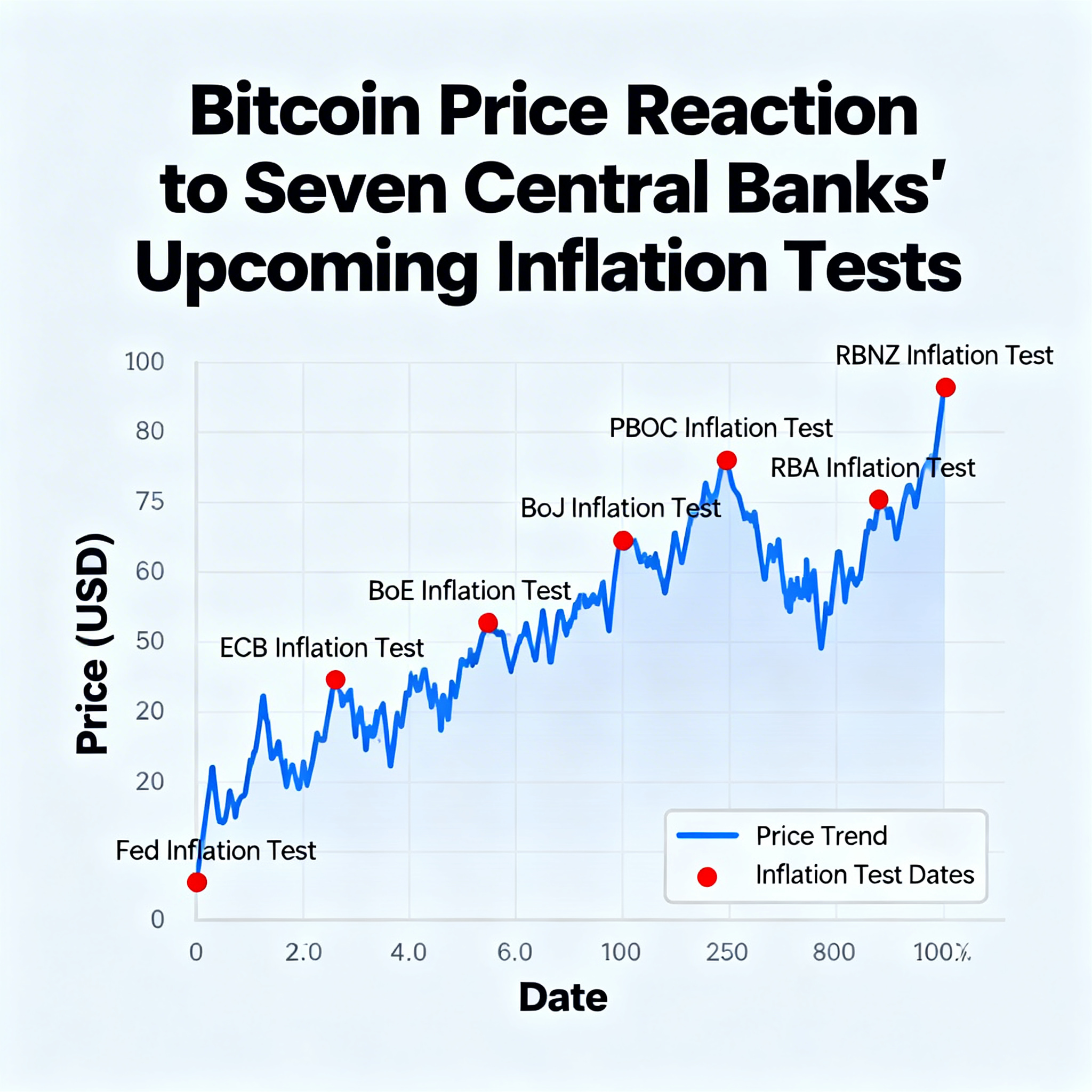
Global markets — including Bitcoin — could face an important test next week as seven major central banks prepare to announce interest-rate decisions while rising oil prices reignite concerns about global inflation.
The policy-heavy week begins on March 17 with the rate decision from the Reserve Bank of Australia. On March 18, the Bank of Canada and the Federal Reserve will follow with their announcements. The schedule concludes on March 19, when the Bank of Japan, Swiss National Bank, Bank of England and the European Central Bank release their policy decisions.
Until recently, investors widely expected central banks — particularly the Fed — to begin cutting interest rates this year or at least avoid further tightening. Optimism around artificial intelligence and its potential to improve productivity and reshape labor markets had strengthened expectations that inflation pressures could ease over time, supporting risk assets such as bitcoin.
However, geopolitical tensions have complicated that outlook.
A conflict that began on Feb. 28 with coordinated strikes by the United States and Israel on Iran has since escalated through retaliatory attacks across the region, disrupting energy shipments through the Middle East and pushing oil prices higher.
The rise in crude prices has revived concerns that global inflation could accelerate again, prompting traders to reassess expectations for central bank policy. Some now worry policymakers may be forced to maintain higher interest rates for longer or adopt a more hawkish stance.
If central banks deliver signals that they are prepared to act aggressively against inflation, risk assets — including bitcoin — could experience renewed volatility. Policymakers may also be keen to avoid repeating the misjudgment of 2021–22, when inflation was initially described as temporary before surging across major economies.
At the same time, markets could respond positively if central banks adopt a cautious or data-dependent tone. If policymakers suggest they are monitoring inflation developments rather than rushing to tighten policy, risk assets could benefit.
Ethan Harris, an economist and longtime observer of the Fed, said central banks often respond cautiously to oil-driven inflation shocks.
“Like all supply shocks, the first Fed response to an oil price spike is to watch and assess the damage,” Harris wrote in a LinkedIn post.
He explained that oil shocks tend to create a difficult policy trade-off because they can slow economic growth while simultaneously pushing inflation higher.
“Before acting, the Fed wants to determine which risk is greater,” he said, noting that many oil price spikes prove temporary. “The Fed does not want to change rates only to reverse the move weeks later.”
Historically, policy decisions from the Federal Reserve — and at times the Bank of Japan — have had the most significant impact on bitcoin’s price.
With energy costs already straining households and businesses in Japan, the Bank of Japan’s decision next Friday could prove particularly important for both domestic financial markets and bitcoin.