cpeditor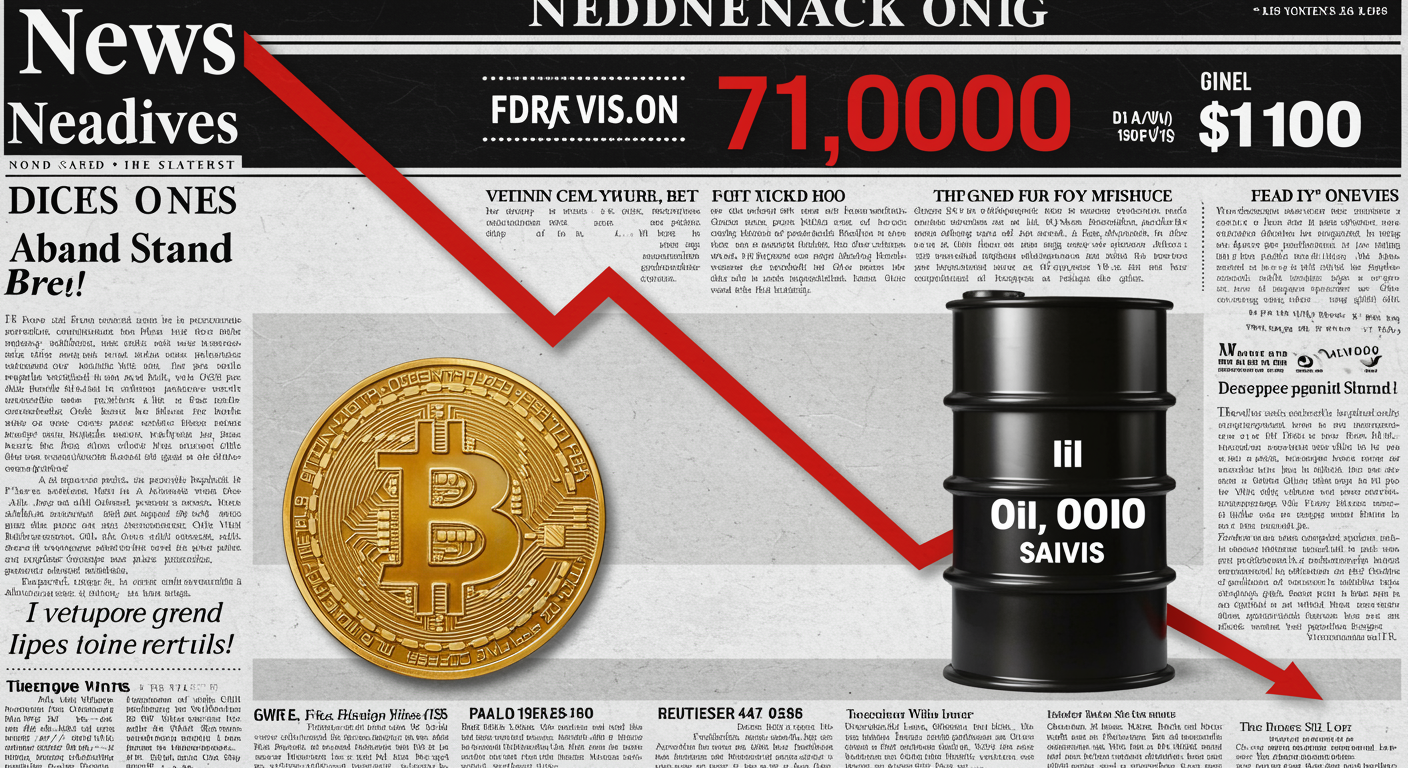
Brent crude fell 4.7% and Asian equities rose 1.9% after reports that Washington had conveyed a ceasefire proposal to Tehran through Pakistan, boosting optimism to its highest level since the conflict erupted a month ago.
A 15-point peace framework is now reportedly in play, with bitcoin (BTC) holding near $71,000 as markets tentatively price in the prospect of de-escalation in the U.S.-Israel-Iran war.
Oil led the shift in sentiment, with Brent dropping to $99.55 on Wednesday and slipping below the $100 mark for the first time since mid-March. The move followed reports that the U.S. had drafted a comprehensive plan to end the Iran conflict. Israeli media also suggested Washington is pushing for a temporary one-month ceasefire. The improved backdrop supported risk assets globally, lifting Asian stocks, weakening the dollar, and signaling gains for U.S. and European futures.
Bitcoin traded around $71,019, up 0.9% over the past 24 hours, though still down 6.4% on the week. The weekly decline reflects recent volatility, including last week’s rally to $75,000 followed by a sharp pullback driven by geopolitical headlines and liquidation pressure.
Short-term price action has since stabilized, with bitcoin holding above $70,000 for a third consecutive day, pointing to a more constructive near-term trend.
Analysts view this consolidation as a sign of underlying strength. FxPro chief market analyst Alex Kuptsikevich said bitcoin’s ability to remain at elevated levels, even without extending gains, indicates sustained confidence among bullish participants.
Performance across major altcoins remains mixed. Ether (ETH) gained 1.7% to $2,164 but is still down 9.2% on the week. XRP edged up 0.2% to $1.42, down 8.5% weekly, while solana rose 2.5% to $91.69 but remains 3.8% lower over the same period. BNB slipped 0.5% to $638, and dogecoin added 1.7% to $0.094, though both continue to post weekly losses. Tron (TRX) stood out, rising on both daily and weekly timeframes.
The reported 15-point plan represents the most concrete diplomatic development since the war began on February 28. While Donald Trump has publicly pushed for negotiations, details of the framework had remained unclear until now. Early indications suggest the proposal includes restrictions on Iran’s nuclear program, though full terms have not been disclosed.
Meanwhile, the Strait of Hormuz remains largely constrained, with only limited shipping activity passing through the critical energy corridor.
The drop in oil below $100 could ease inflation pressures that have weighed on global markets in recent weeks. Lower energy costs may also reduce the need for further monetary tightening, offering support to risk assets.
Bitcoin’s correlation with the S&P 500 remains elevated, though its response to macro developments has been uneven. While bitcoin is roughly unchanged since the conflict began, most major altcoins have declined between 4% and 9% over the past week.
After weeks of geopolitical shocks, liquidation events, and oil-driven volatility, the crypto market continues to trade within a range, reflecting a balance between improving sentiment and lingering uncertainty.