cpeditor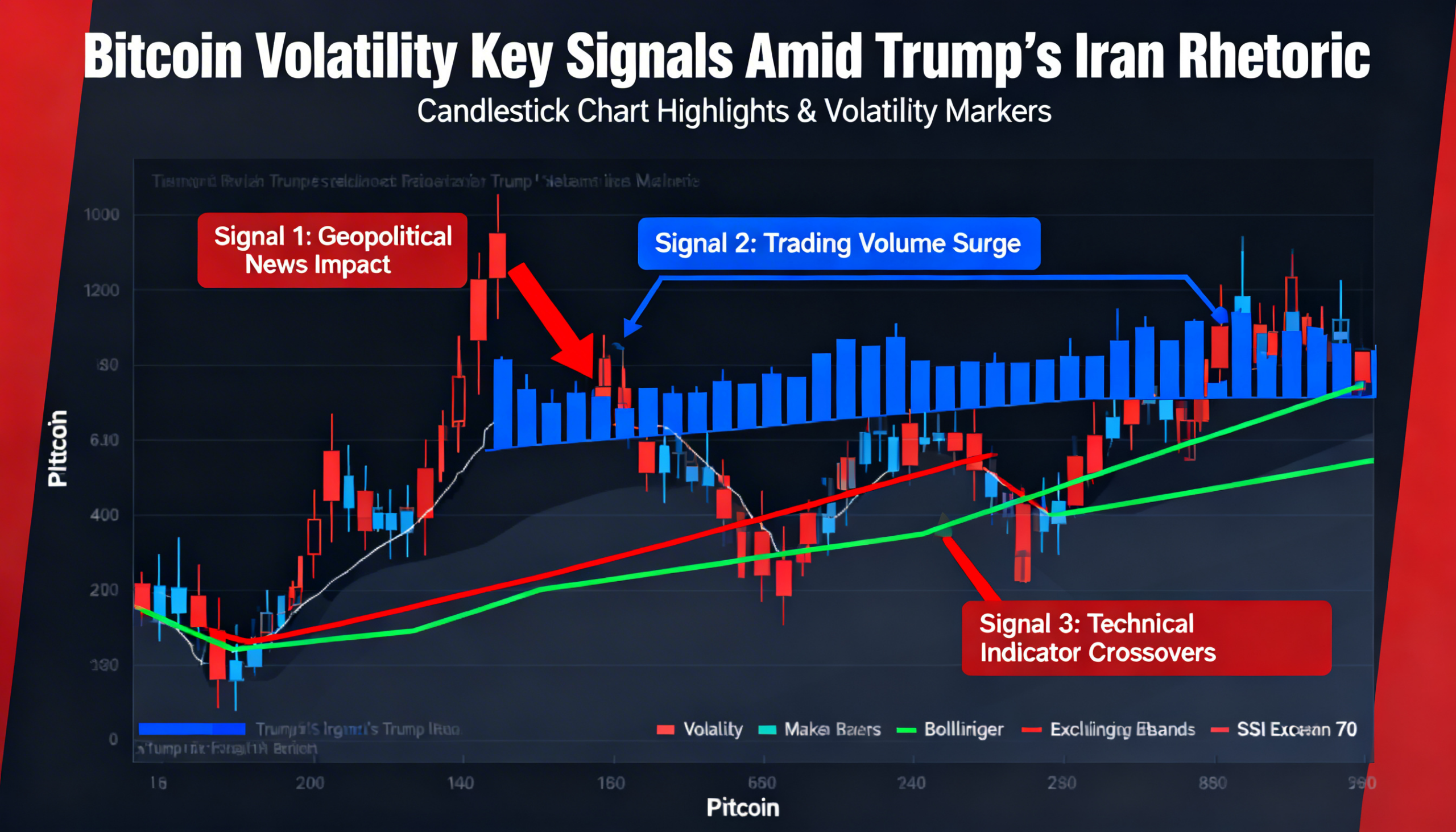
Bitcoin and broader risk assets remain at the mercy of shifting headlines as President Donald Trump’s evolving stance on Iran continues to drive sharp, short-term market swings. For traders, the environment has become increasingly erratic, with price action reacting more to political signals than underlying fundamentals.
Over the past month, bitcoin has repeatedly surged and reversed as narratives flip. Hopes of de-escalation have sparked rallies across crypto and equities while pressuring oil, only to be undone by renewed hawkish rhetoric that lifts crude and drags risk assets lower. The constant back-and-forth has left markets directionless and highly reactive.
Amid the noise, a handful of indicators offer a more grounded view of conditions—and they suggest that risks remain skewed to the downside.
The most critical factor is the ongoing disruption to global oil supply. Since the conflict began in late February, flows through the Strait of Hormuz—responsible for roughly one-fifth of global seaborne oil shipments—have nearly stalled. In response, the International Energy Agency orchestrated a historic release of strategic reserves exceeding 400 million barrels.
While these emergency supplies have temporarily offset a daily shortfall of around 4.5 to 5 million barrels, they are expected to run down in the coming weeks. Without a meaningful recovery in shipping activity, the deficit could widen dramatically, potentially reaching 10 to 11 million barrels per day.
Such a supply shock would likely trigger a broad risk-off move across global markets, regardless of political messaging. In that scenario, bitcoin’s trajectory would be driven less by rhetoric and more by the realities of energy supply.
Shipping insurance costs provide another key signal. Premiums for vessels transiting the Strait of Hormuz have surged from below 1% of a ship’s value before the conflict to as high as 7.5%, significantly increasing the cost of moving oil.
A sustained decline in these premiums—particularly below the 2% threshold—would signal improving security conditions and could support a more durable recovery in risk assets. Until then, elevated insurance costs reflect persistent instability.
There is little evidence so far that conditions are improving. Despite claims that safe passage could be restored, tanker traffic remains severely constrained, with only a small fraction of normal volumes moving through the strait compared to pre-conflict levels.
For now, markets remain trapped in a cycle of headline-driven volatility. A lasting recovery in bitcoin and other risk assets will likely depend on tangible improvements in oil flows and shipping activity. Until those fundamentals stabilize, sharp and unpredictable price swings are likely to persist.