cpeditor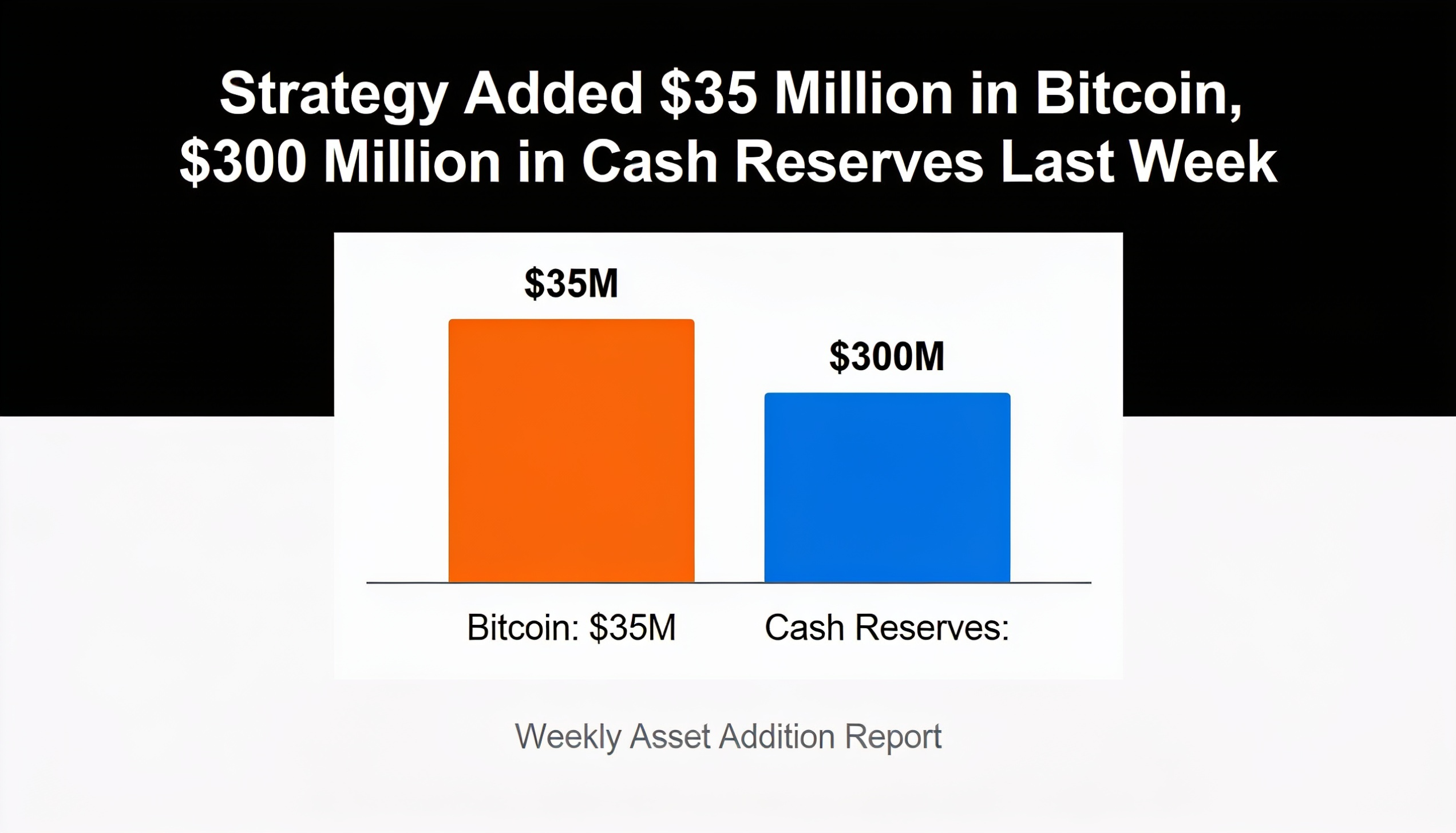
The buildup in cash reserves is aimed at calming investor concerns over the company’s ability to meet dividend obligations on its underperforming preferred shares, STRC.
Michael Saylor’s Strategy (MSTR), which has been under pressure, sold more common stock last week. The proceeds were used to make a relatively small bitcoin purchase while significantly strengthening its cash position with an additional $300 million.
According to a Monday filing, the company sold around 2.7 million MSTR shares, raising $335.5 million. Of that amount, roughly $35 million went toward buying 520 bitcoin at an average price of $67,068 per coin, while the remaining $300 million was added to existing cash reserves, lifting the total to $1.4 billion.
Following this latest acquisition, Strategy now holds 847,363 BTC, accumulated at a total cost of about $64.01 billion, equating to an average purchase price of $75,651 per bitcoin.
The capital raise is intended to support dividend payments tied to STRC, the firm’s high-yield preferred stock. Investor concerns have escalated in recent weeks, culminating in a sharp sell-off on Thursday that pushed the share price to a record low below $83. Although the stock recovered into the close and gained a further 2% on Monday morning to $90.43, it remains well below the $100 par value Saylor had aimed to maintain.
Meanwhile, Strategy’s common shares (MSTR) rose 3.5% on Monday, tracking bitcoin’s rebound to just under $65,000.