cpeditor
Morgan Stanley and JPMorgan are diverging on semiconductor stocks as the AI trade matures.
Morgan Stanley cautioned that U.S. equities may struggle to push higher as investors rotate out of chipmakers and into hyperscalers such as Microsoft, Amazon, and Meta. The bank said semiconductor momentum is fading and maintained its year-end S&P 500 target of 8,000.
JPMorgan, in contrast, views the recent pullback in chip stocks as a buying opportunity. It argues the AI-driven cycle remains intact, with limited new supply expected before 2028, and continues to favor chipmakers over hyperscalers.
Both semiconductor and hyperscaler indexes have pulled back from recent highs as investors reassess valuations and the durability of AI-driven gains. Some of that rotation may have supported crypto markets, with bitcoin rebounding nearly 10% last week from around $58,000.
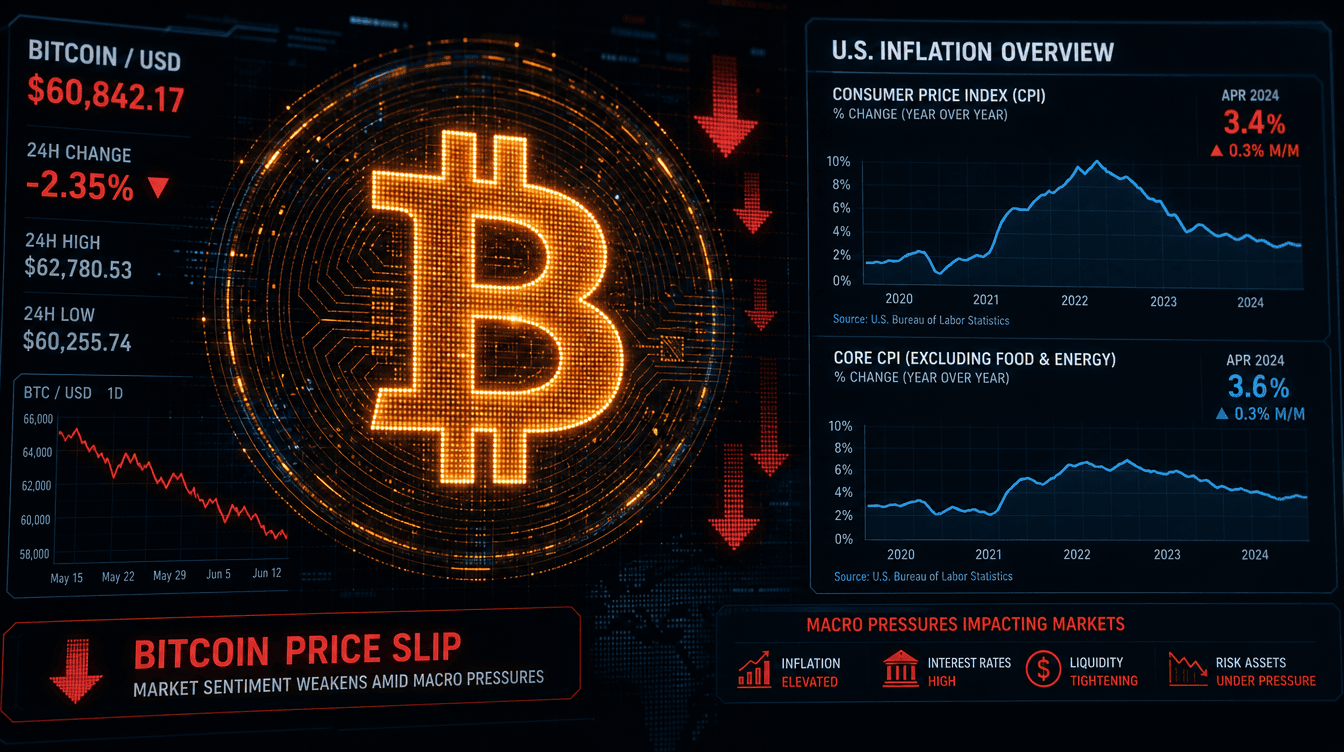
After nearing $64,000 over the weekend, bitcoin slipped back to roughly $61,500 early Monday.
In corporate updates, BitMine (BMNR) purchased 42,197 ETH for about $74 million, raising its total holdings to roughly 5.74 million ETH, or 4.8% of supply. Ether is down 1.5% over the past 24 hours to $1,740.
Anthropic signed a 20-year agreement with TeraWulf (WULF) to develop a 400-megawatt AI data center in Kentucky, expected to come online in the second half of 2027. The deal could generate about $19 billion in revenue and pushed WULF shares up 17% as the company pivots from bitcoin mining to AI infrastructure.
Meanwhile, Strategy (MSTR) sold 3,588 BTC worth $216 million last week, a significant increase from prior sales. The move weighed on bitcoin, sending it about $1,000 lower to $61,900.
SK Hynix is preparing for one of the largest IPOs of 2026, with Nasdaq trading expected to begin July 10. The company is targeting a reference price of $158.14, implying a valuation near $1.16 trillion, with proceeds earmarked for capital investment and advanced chipmaking equipment. Its shares in Korea have surged 260% this year on strong AI demand.
Ongoing capital flows into AI leaders and major offerings may continue to divert liquidity from risk assets like bitcoin, which remains down about 50% from its October peak.
Nine months after reaching an all-time high near $126,000, bitcoin now trades around $62,500, marking a roughly 50% correction after falling as low as $57,800. If the historical four-year cycle holds, a potential bottom may still be months away, possibly into October.
Among altcoins, LIT—the token of decentralized perpetuals platform Lighter—rose 13% over the past 24 hours to $2.50, extending gains to 31% since a June 30 tokenomics update introducing token burns and revised staking rewards targeting a 6% annual yield.
In equities, pre-market trading showed a rebound in semiconductor, memory, and “neo cloud” names. SanDisk and Micron rose about 3%, while IREN and Cipher Digital gained around 4% as investors bought the dip.
The price action underscores ongoing rotation between AI-driven equities and crypto assets. As funds moved back into semiconductor and AI names, bitcoin slipped more than 1%, falling below $63,000.
Bitcoin briefly climbed above $63,800 after weaker-than-expected U.S. jobs data eased rate pressures, but the move faded, with prices pulling back to around $62,900.
While softer labor data offers some relief after June’s ETF outflows, a single data point is unlikely to shift the broader trend. The July 14 CPI report is the next key catalyst for determining whether the recovery can extend or stall.