cpeditor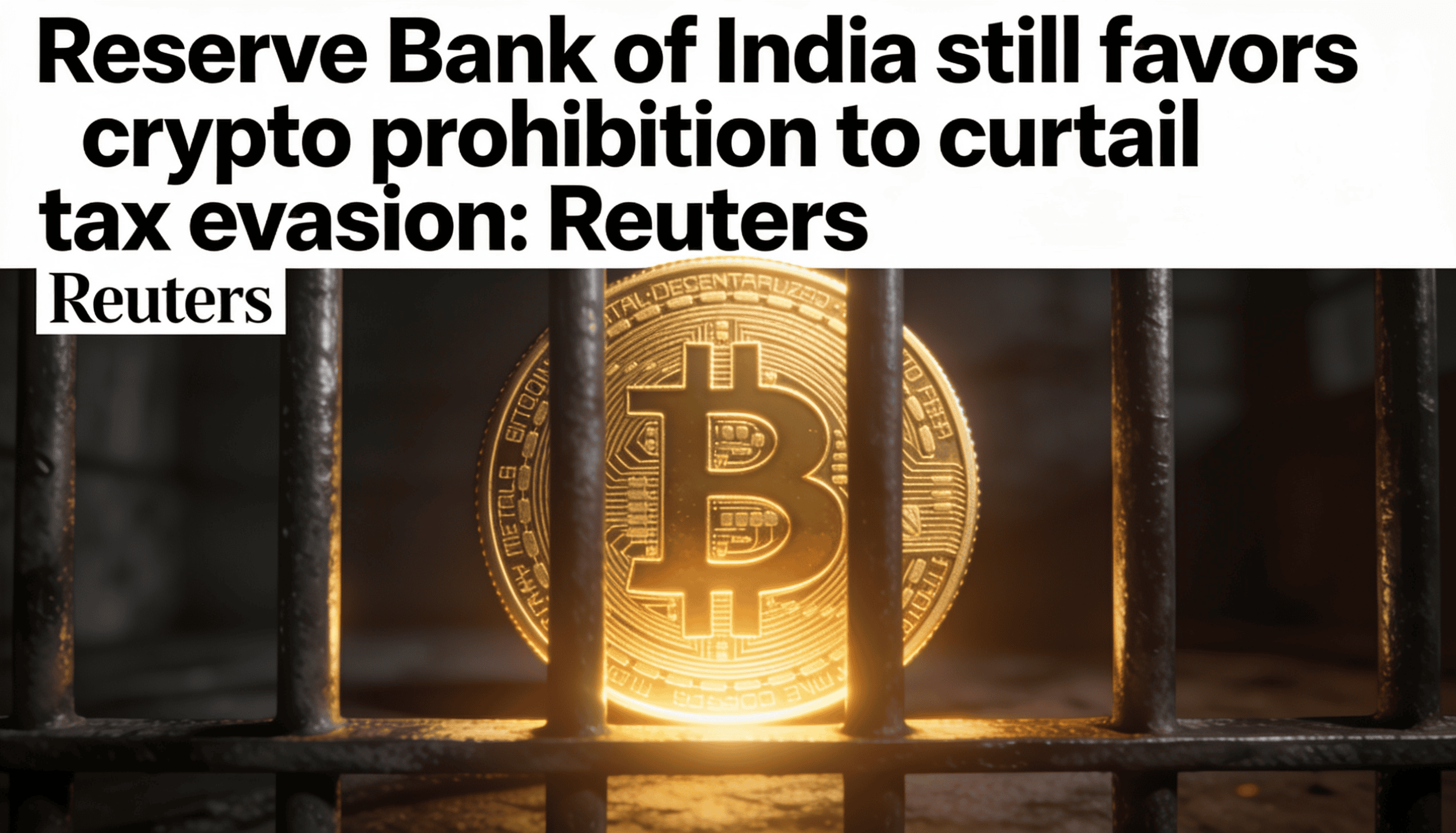
Here’s a refined and more succinct rewrite:
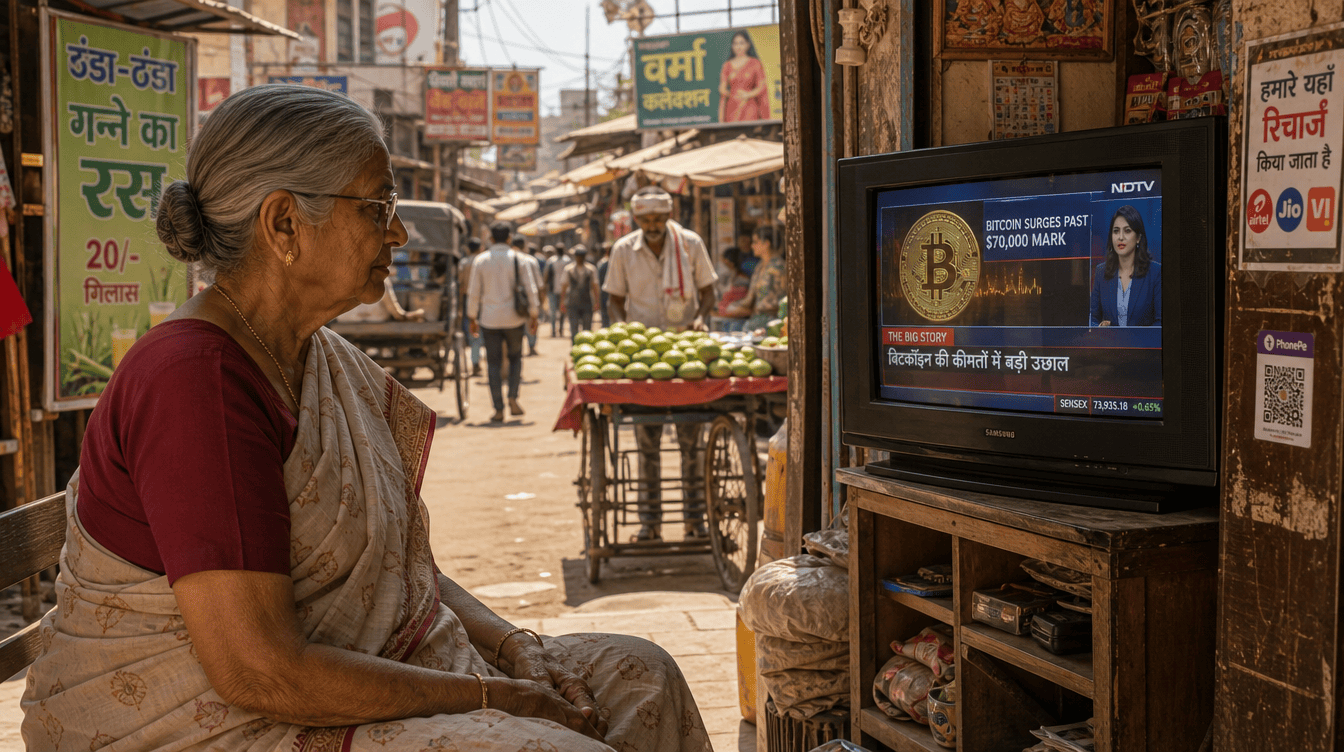
Indian regulators continue to take a tough stance on cryptocurrencies, even as countries and financial institutions worldwide increasingly adopt digital assets and blockchain-based systems.
While global momentum builds around innovations like tokenization, stablecoins, and crypto reserves, Indian authorities remain cautious and largely opposed.
According to documents reviewed by Reuters, the Reserve Bank of India (RBI) still favors a policy “leaning toward prohibition,” while tax officials highlight serious gaps in compliance.
This approach persists despite India’s sizeable crypto community—nearly 39 million users holding an estimated $2.1 billion in digital assets as of May.
The RBI has consistently maintained that banks and financial institutions should not engage with cryptocurrencies or privately issued stablecoins, warning of potential risks to financial stability.
It also opposes rupee-backed stablecoins, arguing they could undermine monetary sovereignty and create stress during periods of market volatility.
CoinDesk has sought comment from the RBI.
Meanwhile, tax authorities are concerned about widespread underreporting. In the financial year ending March 2023, fewer than 25% of the 645,000 crypto traders reported their earnings.
Tracking activity on offshore exchanges and peer-to-peer platforms—especially transactions conducted in rupees—remains a major enforcement challenge.
Since the Supreme Court overturned the RBI’s 2018 ban, crypto has existed in a legal grey area in India—neither fully banned nor clearly regulated. A 2021 proposal to prohibit private cryptocurrencies was never tabled, and policy progress has been slow.
Although the government has emphasized balancing innovation with risk management, recent internal documents suggest that key institutions are still hesitant to fully embrace digital assets.
India’s cautious stance is also shaped by broader economic concerns. Its dependence on energy imports and persistent current account deficits make it vulnerable to external shocks. This was evident when rising tensions with Iran pushed oil prices higher, increasing import costs and weakening the rupee.
Officials worry that wider crypto adoption could speed up capital outflows, bypass traditional banking systems, and further strain the country’s external balance.