cpeditor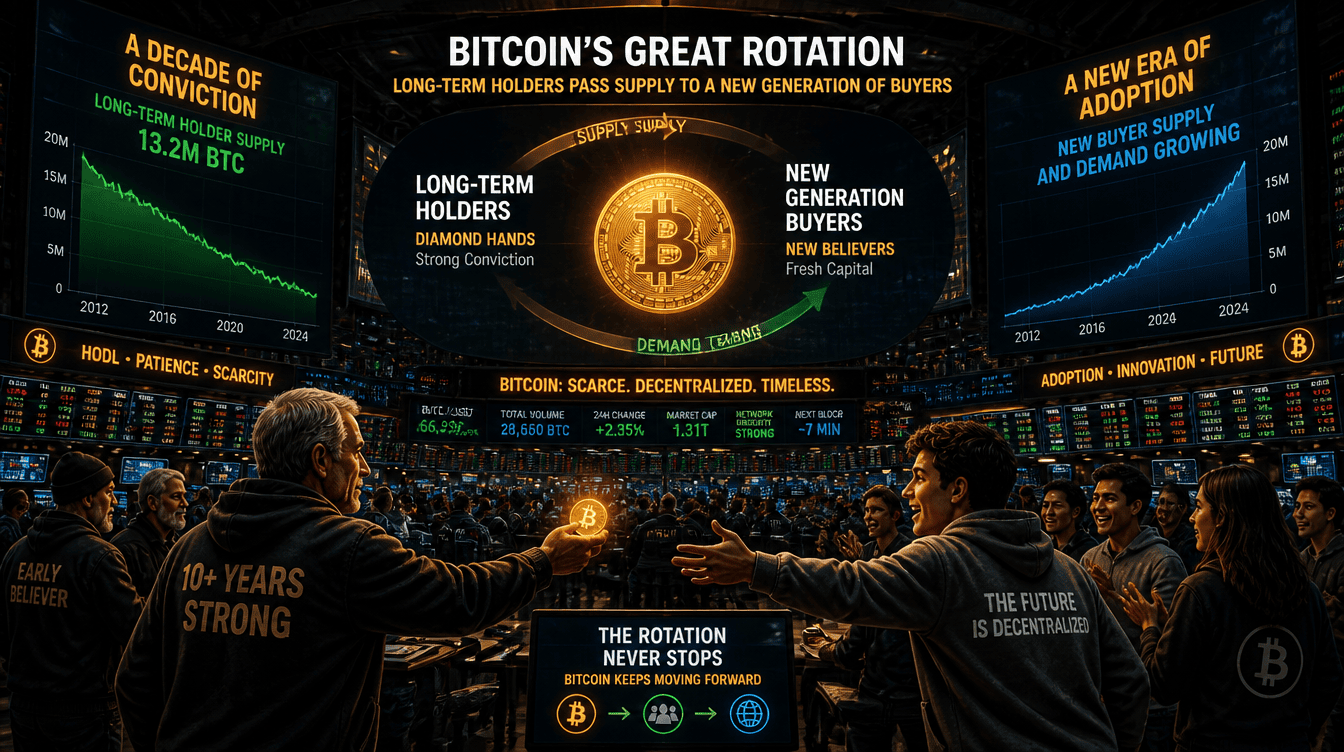
Here’s another rewritten version with a distinct structure and a more analytical reporting style:
Bitcoin is experiencing a quiet shift in ownership as long-term holders gradually distribute supply to a new wave of investors. However, the market remains vulnerable to a potential Federal Reserve-driven selloff, with rate hikes still posing a risk to the current consolidation phase.
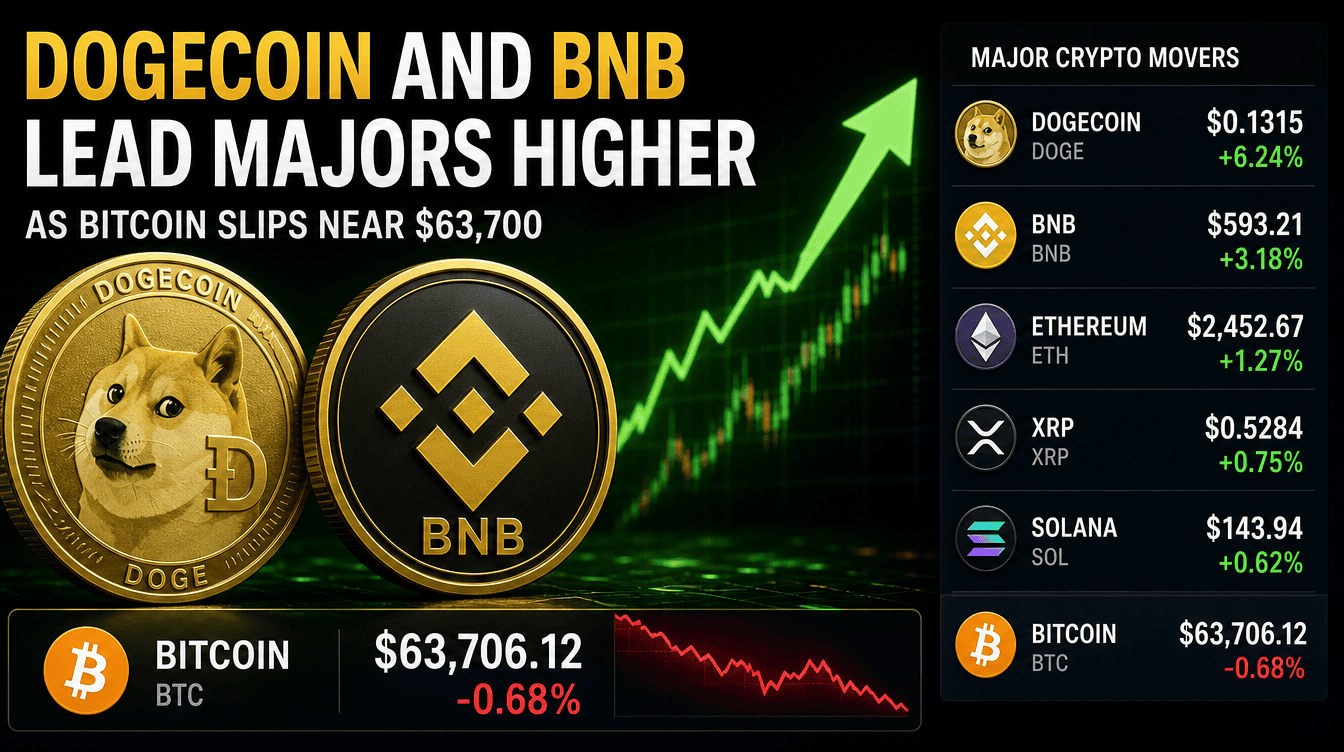
The largest cryptocurrency remains approximately 50% below its October 2025 peak of around $124,000. Trading near $62,000, Bitcoin has spent nearly five months moving sideways within a $60,000–$80,000 range, reflecting a market environment marked by low volatility and fading conviction.
Beneath the surface, however, on-chain indicators suggest that significant changes are taking place.
Glassnode’s RHODL Ratio, which tracks the relationship between Bitcoin wealth held by long-term investors and newer market participants, reached 6.5 in early July. The reading marked the second-highest level in Bitcoin’s history before the metric began declining and moved below 6. Notably, this decline is happening without a corresponding collapse in price.
That differs from previous market stress events, particularly in 2022, when the RHODL Ratio fell alongside a major downturn triggered by the FTX collapse. Bitcoin eventually dropped toward $15,000 during that period. In the current cycle, prices have remained around $60,000 while coins continue to move between investors without signs of widespread panic.
The data suggests a gradual handoff of Bitcoin supply from established holders, many of whom accumulated during 2023 and 2024, to newer buyers entering the market at what they consider discounted levels.
At the same time, the pattern can also be viewed through the Wyckoff framework, where experienced investors distribute holdings to optimistic buyers during periods of strong demand. Historically, distribution phases can either precede another decline or transition into a renewed accumulation cycle.
Bitcoin’s previous extended consolidation periods around the 2015, 2019, and 2023 cycle bottoms eventually led to significant recoveries. In those instances, RHODL Ratio compression occurred before the market moved higher.
The current cycle has already gone through five months of sideways trading, yet the dramatic capitulation event many investors expected has not arrived.
The next major catalyst could come from monetary policy. A Federal Reserve rate hike remains a potential downside trigger, with markets currently expecting roughly 50 basis points of additional tightening over the next six months. If financial conditions tighten further, Bitcoin could face renewed pressure before any major breakout.