cpeditor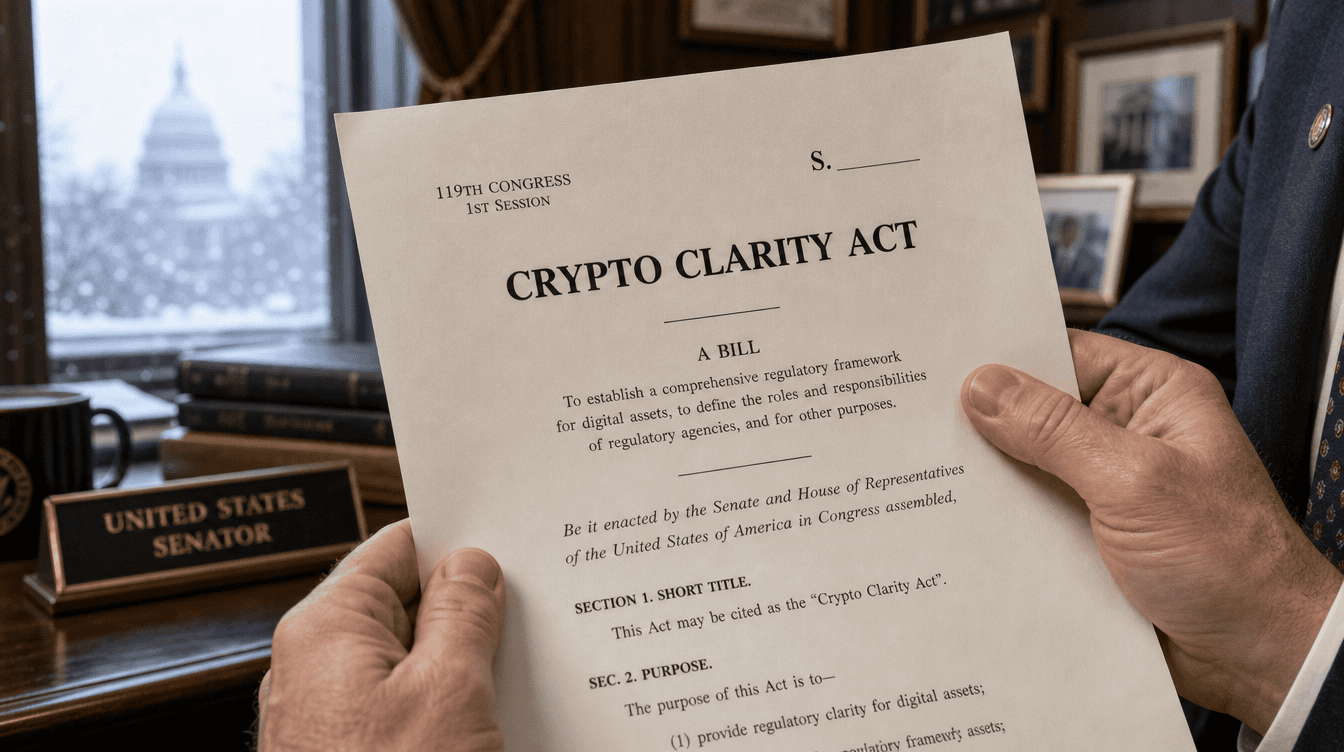
The U.S. Senate will not vote on the Clarity Act before its August recess, reducing the likelihood that the cryptocurrency market structure bill will become law this year.
Although lawmakers are leaving Washington without taking action on the legislation, supporters remain hopeful that the Senate will bring the bill back for consideration in September after returning from its break, according to individuals tracking the negotiations.
The crypto industry had hoped senators would remain in session longer to resolve outstanding disputes over the Digital Asset Market Clarity Act. However, lawmakers from both parties were unable to reach a final agreement on several issues. The Senate is expected to return on Sept. 14, 2026, giving lawmakers additional time to address the bill and other pending priorities.
Senate Majority Leader John Thune confirmed through a spokesperson that there would be no Clarity Act vote in August but said the legislation would be taken up early in the September session.
A statement shared on social media indicated that Democrats were unwilling to move forward with an August vote. It also said Thune had been working with the bill’s sponsors, including Senator Cynthia Lummis, to ensure the legislation is ready for action when lawmakers return.
Before recess begins, the Senate’s remaining votes are expected to cover a continuing resolution to fund the federal government through the midterm elections, a Russia sanctions package supported by Senator Lindsey Graham, and several pending nominations.
Politico first reported that the Senate was unlikely to hold an initial vote on the Clarity Act before the August break.
Digital Chamber CEO Cody Carbone said the delay was not the outcome supporters wanted but stressed that efforts to pass the bill would continue. He said industry advocates would spend the coming weeks working with lawmakers to resolve the remaining disagreements and prepare for a vote in September.
Crypto Council for Innovation CEO Ji Hun Kim also called the delay disappointing, while noting that significant progress had already been made. He warned that continued uncertainty over crypto regulations could drive American users and businesses abroad while increasing risks for consumers.
The Clarity Act became delayed as senators worked through several other major issues, including government funding legislation, Russia sanctions, a group of nominations, and the confirmation of Todd Blanche as attorney general.
Thune announced that the Senate would proceed with votes on the funding measure, sanctions bill, and nominations on Friday morning, along with an amendment vote tied to the sanctions legislation. Those issues had agreements limiting debate time, but the Clarity Act had not reached a similar agreement, according to people familiar with the discussions.
A source told CoinDesk that Senate Democrats preferred not to vote on the bill before the midterm elections and were prepared to hold up other Senate business if the Clarity Act was not delayed until September.
To pass the Senate, the bill would need 60 votes. However, its current level of support remains uncertain, with some Republican senators opposing portions of the legislation and Democrats continuing to push for stricter ethics requirements involving President Donald Trump.
Many of the remaining disagreements are now political rather than focused on the technical details of the bill.
Most major policy issues have already been resolved, and the legislation previously received approval from both the Senate Banking Committee and the Agriculture Committee. The main unresolved issue involves an ethics provision targeting Trump, who disclosed earning more than $1 billion from crypto-related businesses in 2025.
Trump had agreed to an ethics proposal negotiated by Senator Cynthia Lummis, but several Democrats and some Republicans, including Senator Thom Tillis, argued that the language was insufficient. Tillis and Senator Ruben Gallego proposed an alternative version and sent it to the White House in late July, though no public response has been issued.
Other outstanding issues include Agriculture Committee provisions, law enforcement concerns, and negotiations over stablecoin rewards and yield-related rules.
The next major procedural decision will be when Thune files a cloture motion on the Clarity Act. If the motion is filed before the recess, the first procedural vote could happen as early as Sept. 15. If filed after lawmakers return, the earliest possible vote would likely be Sept. 16 under Senate rules.