cpeditor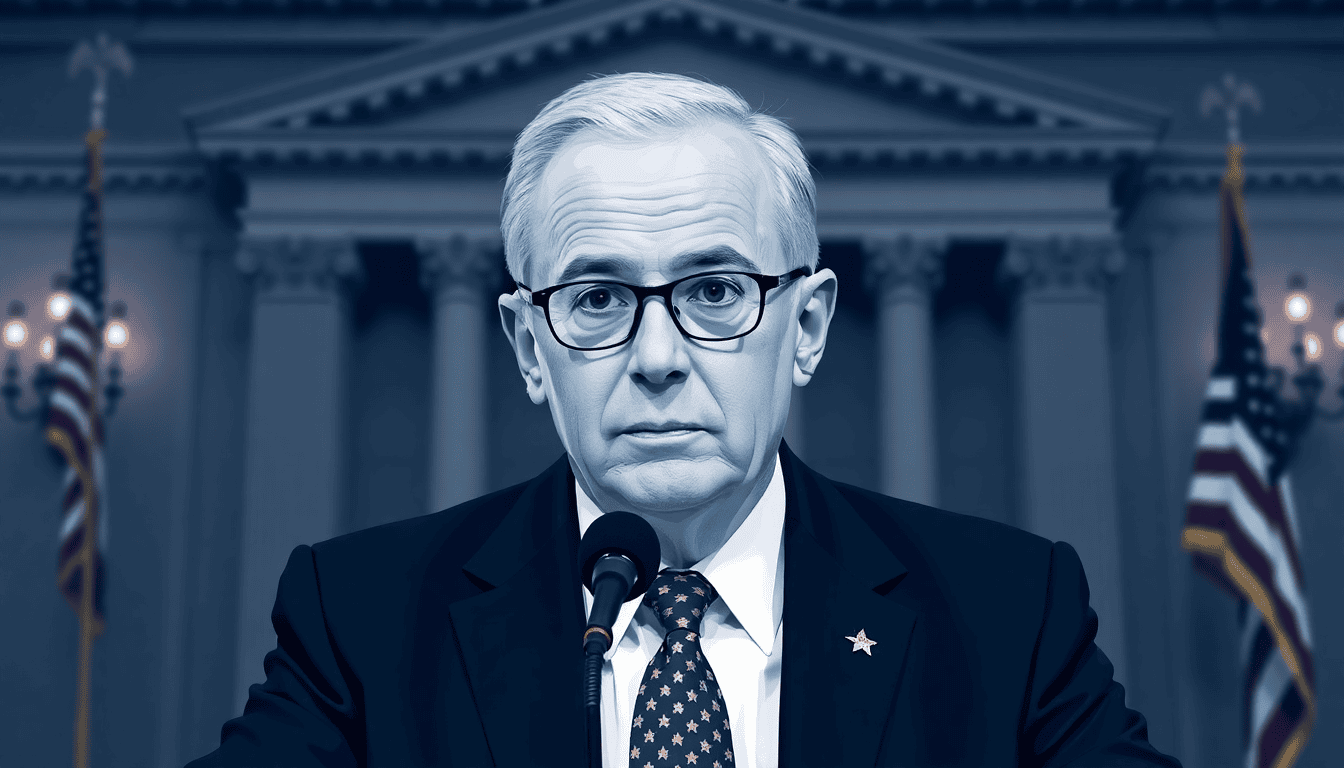
- CFTC Chairman Mike Selig said the agency is preparing to establish its own crypto regulatory framework if Congress fails to pass the Digital Asset Market Clarity Act.
- Speaking at the first meeting of the CFTC’s Innovation Advisory Committee, Selig said staff have already started exploring how the agency can use its existing authority to regulate digital asset markets.
- If the Clarity Act stalls in the Senate, the CFTC could introduce a new crypto market designation based on its existing designated contract market, or DCM, framework.
- Selig said he has instructed agency staff to begin developing rules for a formal crypto market structure under the CFTC’s current legal powers. He indicated that the agency could act quickly if lawmakers fail to reach an agreement.
- The chairman also said CFTC staff are working with blockchain developers on a regulatory approach that would allow protocols to operate legally in the U.S. while giving developers clearer and more lasting protections.
- Selig accused Democrats of blocking progress on the Clarity Act and said the CFTC would continue working toward President Donald Trump’s vision of a durable regulatory framework for digital assets.
- The CFTC’s preparations come as the SEC moves ahead with separate crypto rulemaking. The Securities and Exchange Commission recently proposed Regulation Crypto Assets, which would seek to make it easier for crypto startups to raise funds while reducing certain regulatory requirements.
- The SEC and CFTC have also jointly developed guidance on how different digital assets could be classified and which agency’s rules might apply. However, that framework has yet to become formal regulation.
- SEC Chairman Paul Atkins said at a White House event with Trump on Wednesday that congressional passage of the Clarity Act remains the most important priority. He has repeatedly argued that legislation would provide the crypto industry with greater long-term regulatory certainty.
- Selig echoed that view, describing congressional approval as the strongest way to prevent future regulators from returning to aggressive enforcement against digital asset companies.
- Gary Gensler, the former SEC chairman, was repeatedly referenced during the meeting as industry participants criticized the regulatory approach taken during his tenure.
- Ripple CEO Brad Garlinghouse said his company experienced significant regulatory pressure from the SEC under the previous administration. He said the change in leadership has created a markedly different environment for the crypto sector.
- Garlinghouse said the earlier regulatory climate pushed Ripple to expand its presence outside the U.S. He argued that blockchain technology could make payments faster, more efficient and more accessible, but clear regulations are necessary to unlock those benefits.
Clarity Act Heads Into a Critical Senate Window
- The Clarity Act still needs Senate approval, but its chances have declined as lawmakers remain divided over key provisions. The Senate has roughly three weeks to make another attempt to secure the 60 votes needed to move the legislation forward.
- Lawmakers from both parties have raised objections to the current version. One major sticking point is an ethics provision proposed by Sens. Ruben Gallego and Thom Tillis, with uncertainty remaining over whether the White House will accept the revised language.
CFTC Pushes Ahead on Prediction Markets
- Artificial intelligence and prediction markets were also discussed during the advisory committee’s inaugural session.
- Selig has taken an increasingly prominent role in the dispute over prediction market regulation, challenging state-level oversight and defending what he considers the CFTC’s exclusive federal jurisdiction.
- The agency has already begun drafting rules for prediction markets and expects to issue additional proposals.
- Selig said future regulations will modernize corporate and listing requirements for DCMs offering event contracts while introducing additional consumer protection measures.