cpeditor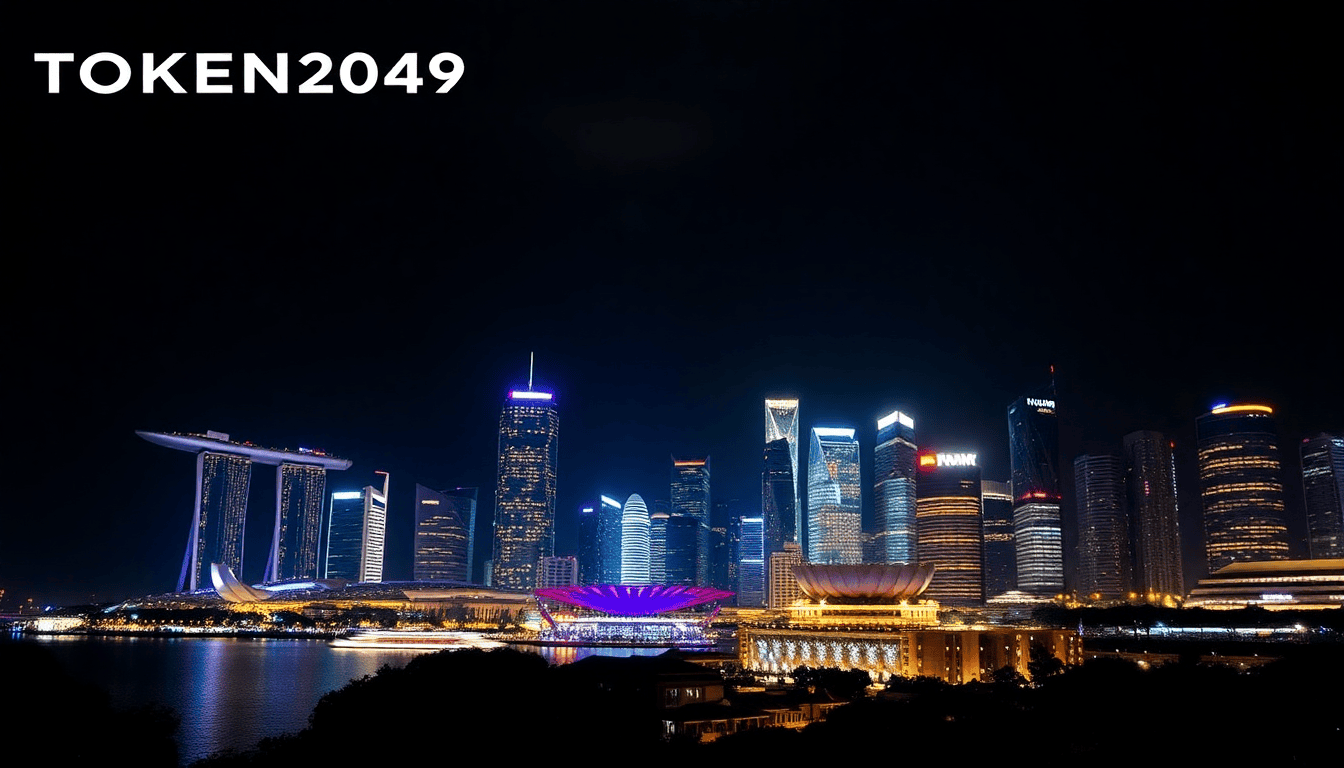
TOKEN2049 Singapore is scheduled to take place on October 7–8, 2026, bringing executives from major financial institutions together with leaders from the crypto and blockchain sectors. The confirmed roster includes representatives from Nasdaq, BlackRock, Franklin Templeton and Morgan Stanley, alongside executives and founders connected to Hyperliquid, Solana, Polygon, Base and Ethereum-related projects.
The lineup suggests that institutional decentralized finance and the infrastructure supporting on-chain markets will be important themes throughout the event.
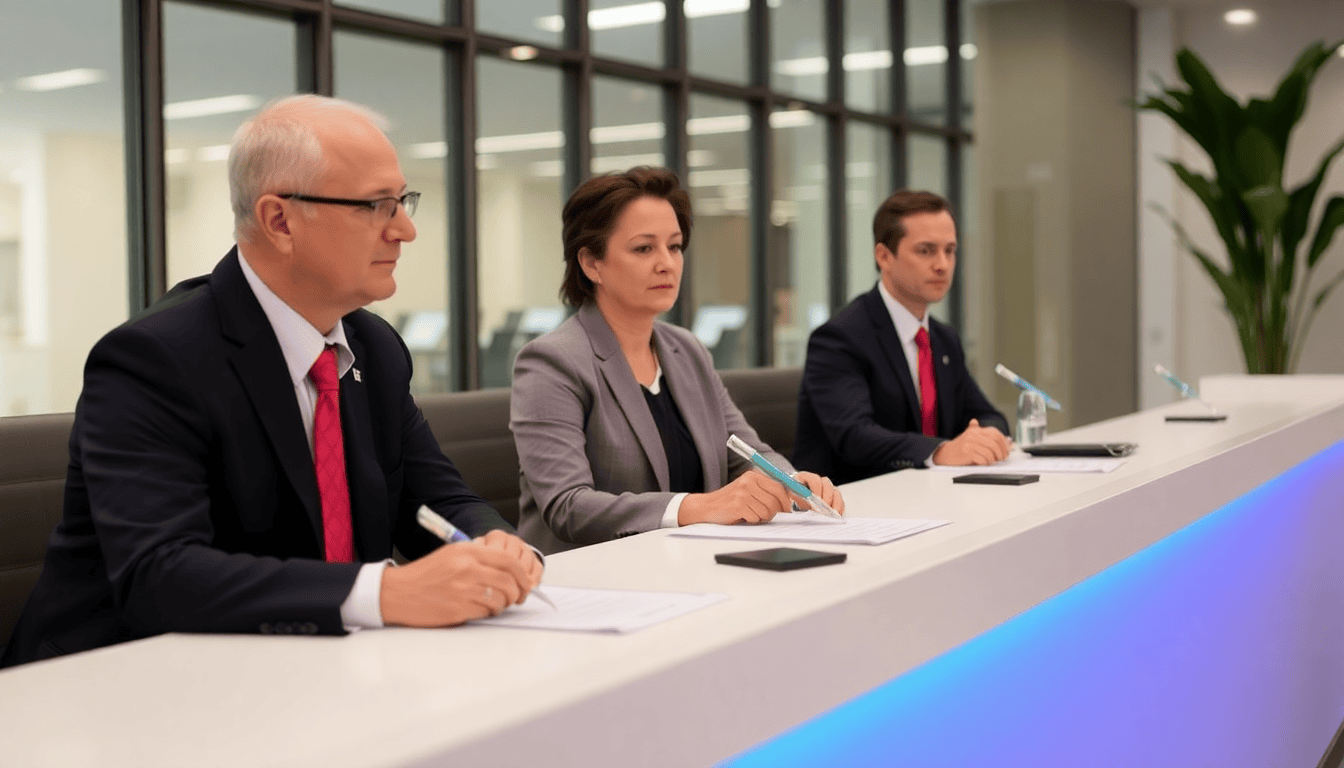
Among the finance-sector speakers are Nasdaq Chair and CEO Adena Friedman, BlackRock Director of Digital Assets Nikhil Sharma, Franklin Templeton CEO Jenny Johnson and Morgan Stanley Head of Digital Asset Strategy Amy Oldenburg. Their inclusion places traditional financial institutions directly alongside crypto-native companies on the conference program.
The blockchain side features Jeff Yan of Hyperliquid Labs, Jesse Pollak of Base, Lily Liu of the Solana Foundation, Sandeep Nailwal of Polygon Foundation and Joseph Lubin, who is listed under Ethereum and MetaMask. Executives associated with Aave, Ethena, Synthetix, StarkWare and Offchain Labs are also included.
The range of participants covers DeFi protocols, blockchain networks, scaling systems and crypto trading infrastructure, reflecting the increasingly broad institutional-finance discussion around digital assets.
DeFi’s Institutional Push
One of the clearest signs of the conference’s institutional focus is the session titled “DeFi’s Institutional Breakthrough.” The panel is scheduled to feature Aave Labs’ Stani Kulechov, Ethena Labs’ Guy Young and Infinex/Synthetix founder Kain Warwick. Robbie Petersen of a16z crypto will moderate the discussion.
Hyperliquid has a separate main-stage appearance through “Hyperliquid: Rebuilding Finance from First Principles,” with Jeff Yan representing the derivatives-focused platform.
The published speaker roster and sessions indicate the subjects that will be addressed at the conference. They should not, however, be treated as confirmation of commercial partnerships, product launches or institutional deployments involving the participating companies.
For financial institutions moving toward on-chain finance, questions around custody, execution and operational controls remain separate but essential considerations. Institutional participants need infrastructure for managing keys and executing transactions in addition to the underlying blockchain protocols.
October 7 Program Highlights On-Chain Markets
The first day starts with “Welcome to TOKEN2049 Singapore” on the OKX Main Stage from 9:00 to 9:10 a.m. Balaji Srinivasan’s “The Open Source Network State” keynote is scheduled immediately afterward, from 9:10 to 9:30 a.m.
The program then turns toward investment and market infrastructure. “DeFi’s Institutional Breakthrough” runs from 10:20 to 11:00 a.m., followed by the Hyperliquid session from 11:00 to 11:35 a.m.
Other sessions listed for the day include “Wall St. 2049: Everything Trades, Nobody Sleeps,” “The New Trilemma: Confidential, Compliant, Composable,” and discussions centered on on-chain options, derivatives and the U.S. market.
The combination of subjects brings privacy, compliance and institutional participation into the same discussion as derivatives and continuous trading. It also reflects the broader question of how traditional financial institutions could participate in blockchain-based markets.
On October 8, TOKEN2049 will also hold TOKEN2049 Institutional, which organizers describe as a private, invitation-based gathering for senior leaders from global finance and digital assets.
Hyperliquid and Tokenization Add to the Institutional Theme
Hyperliquid’s inclusion highlights the growing relationship between crypto-native trading venues and professional financial infrastructure. The platform has a dedicated discussion at the conference, while separate reporting has examined Hyperliquid data through the Bloomberg Terminal.
Those developments alone do not establish a commercial relationship between the firms represented at the event.
Tokenization is another part of the institutional-finance narrative. Placing securities on blockchain rails could change how financial assets are issued, transferred and traded.
Overall, TOKEN2049 Singapore’s 2026 program places institutional DeFi within a larger conversation about on-chain financial markets, combining traditional finance, decentralized protocols, tokenized assets and professional trading infrastructure.