cpeditor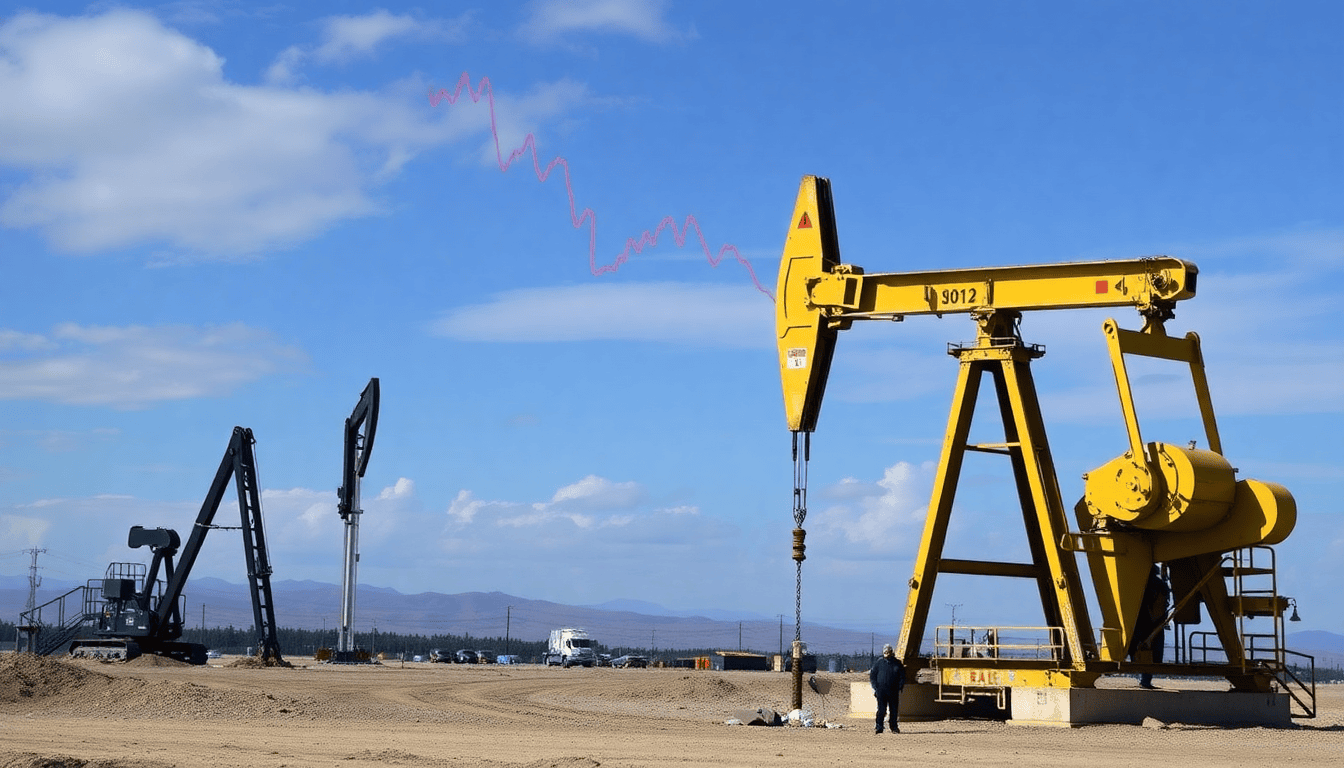
Bitcoin and technology stocks came under pressure as rising Treasury yields, higher energy prices and a stronger U.S. dollar weighed on risk appetite. Silver also slipped below $59 an ounce.
Brent crude is trading at a significant premium to WTI, with Brent around $105 a barrel and WTI near $92.50. The gap between the two benchmarks is roughly $12.50 per barrel.
Historically, large Brent-WTI spreads have appeared during periods of substantial market disruption.
From 2011 to 2013, a surge in North American oil production outpaced pipeline capacity, putting downward pressure on WTI. During the COVID-19 crisis, collapsing demand and limited storage capacity pushed the expiring WTI futures contract into negative territory.
The spread widened sharply again in March after the Iran war began in February. Disruptions to shipping through the Strait of Hormuz, combined with higher freight costs, pushed Brent higher relative to WTI. At the same time, stronger U.S. inventories helped support WTI.
The expanding differential highlights increasing supply and shipping constraints in the global oil market.
Coinbase Cryptography Chief Questions ‘Bunker Mode’ Call
Coinbase’s head of cryptography, Yehuda Lindell, has challenged Justin Drake’s warning that artificial intelligence could soon threaten the cryptographic foundations of bitcoin, ether and other cryptocurrencies.
“There is no evidence whatsoever pointing to a break of decades old hardness assumptions like elliptic curve cryptography,” Lindell said.
Lindell was responding to Drake’s widely viewed X post, in which the Ethereum researcher argued that AI-driven advances could potentially break the cryptography protecting crypto assets well before quantum computers become powerful enough to do so.
Drake called for the blockchain sector to enter “bunker mode” and recommended that holders move funds to fresh addresses that have never signed transactions.
Lindell said he had initially chosen not to comment but changed his mind after the post went viral, calling it “a really bad take IMO.”
He argued that the claim that impressive AI progress in mathematics automatically threatens elliptic-curve cryptography has no logical foundation.
Lindell also warned that an actual breakthrough against ECC would have implications across the wider digital economy. Attackers could potentially forge PKI certificates, impersonate banking websites, distribute malicious banking apps and sign compromised operating systems that could then be installed on phones and computers.
He characterized the warning as fearmongering, saying there is currently no evidence that AI has developed the capability needed to break ECC.
According to Lindell, making such claims without evidence is irresponsible and represents FUD because the scenario has not been demonstrated or supported by credible evidence.
Jobless Claims Edge Lower
U.S. initial jobless claims fell to 197,000 last week from 199,000, while economists had expected them to rise slightly to 200,000.
The measure has remained near historically low levels for months. That could indicate that labor-market conditions remain strong, although the persistence of low claims has also raised doubts about how useful they are as an economic signal.
Rising Yields and Oil Weigh on Bitcoin
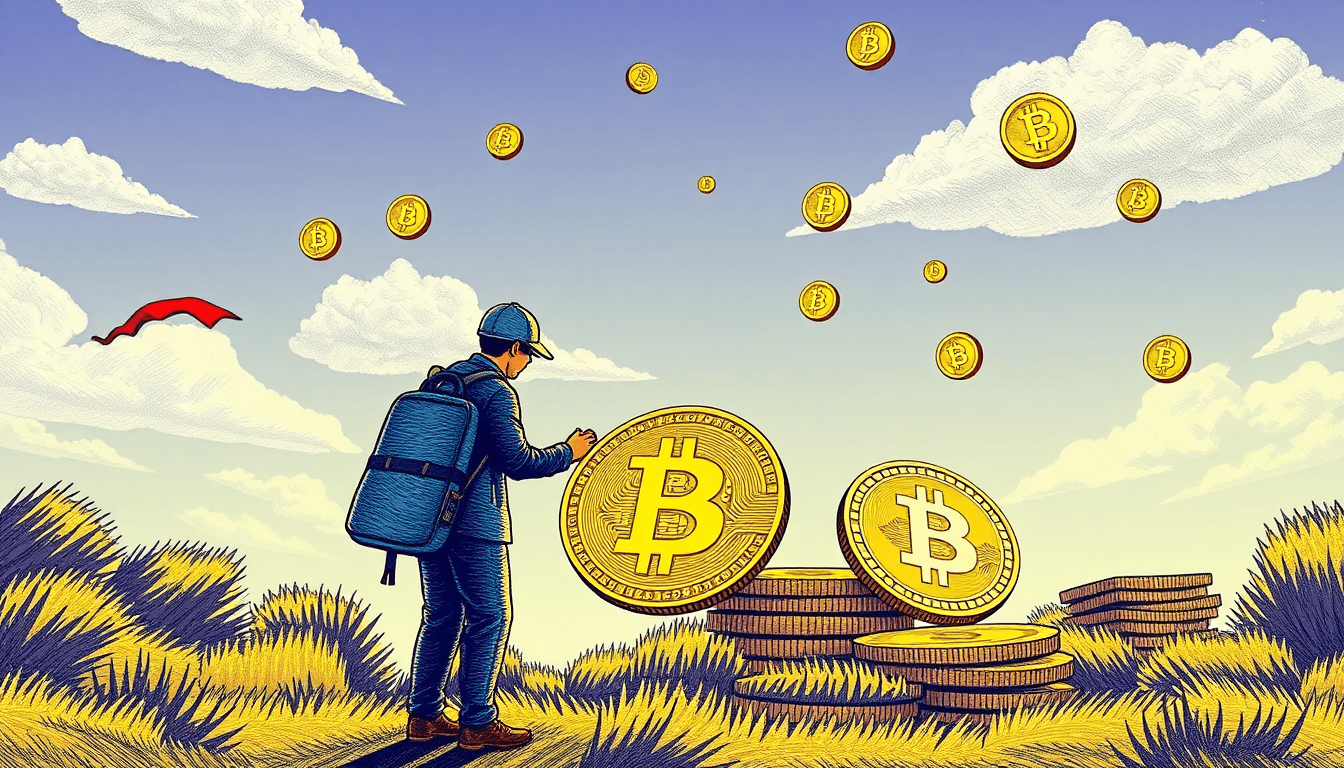
Bitcoin dropped below $83,000 as financial conditions tightened through higher bond yields, rising crude prices and dollar strength.
The U.S. 10-year Treasury yield reached 5.352%, while the 30-year yield pushed above 5.73% to another fresh high.
WTI crude gained more than 4% over 24 hours to $92.40 a barrel. Brent rose about 4% to $105, while New York Harbor ultra-low sulfur diesel futures climbed another 4% to $4.80 per gallon.
The U.S. Dollar Index strengthened to 102.4, adding another challenge for risk assets as higher energy prices revived concerns about inflation.
Bitcoin traded at $82,965, down almost 1% over the past 24 hours.
Gold remained above $4,100 an ounce, but silver fell below $59 to a new low. Nasdaq 100 futures also declined nearly 1%, reflecting broader weakness across risk-sensitive assets.