cpeditor

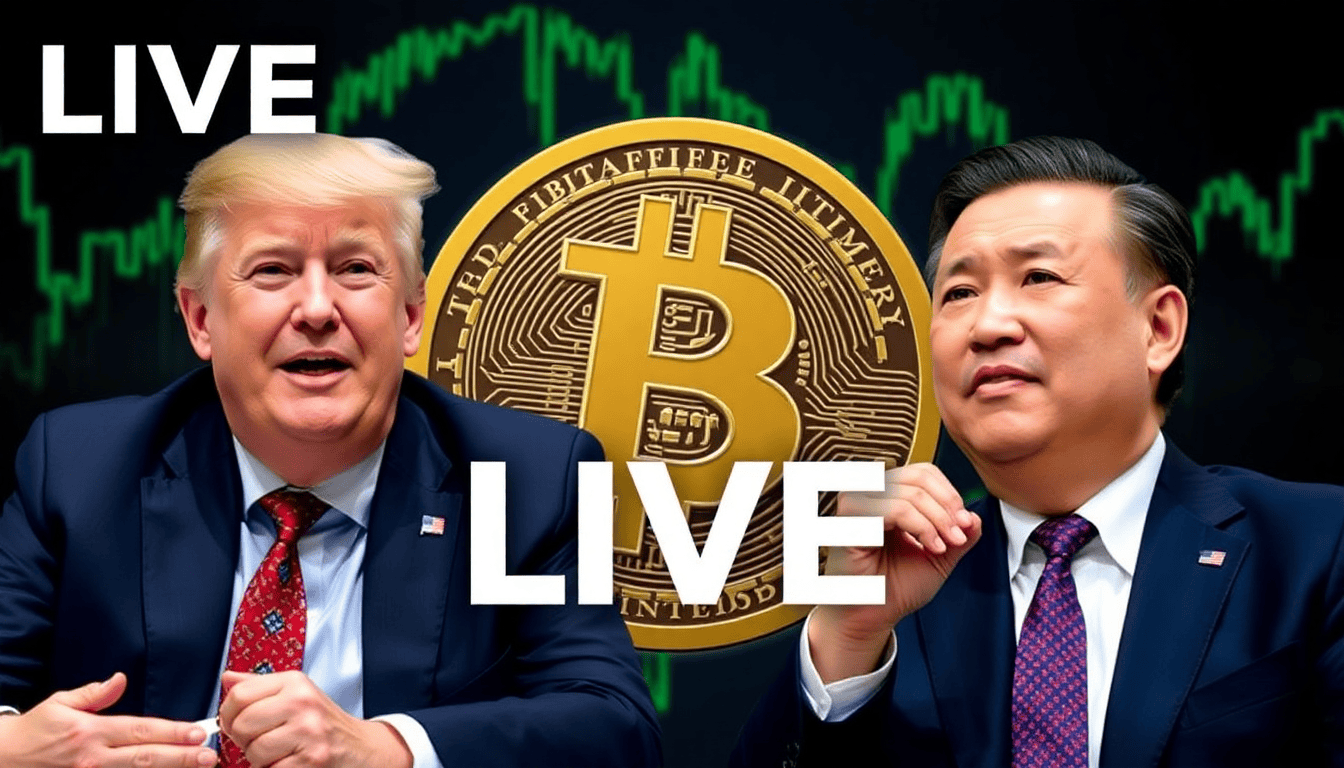
Binance co-founder Changpeng Zhao, popularly known as CZ, has denied allegations that the exchange sold its cryptocurrency holdings during the recent market downturn, adding that he has personally continued buying crypto. However, OKX founder Star Xu has accused him of misleading users about Binance’s role in two consecutive October market crashes.
The exchange between the two executives has reignited a long-running rivalry as Bitcoin experienced another substantial price decline last week, bringing renewed attention to their history of disagreements.
Xu challenged CZ’s explanation of the latest market sell-off, questioning whether Binance had been fully transparent about its involvement. His remarks came after Zhao rejected claims that Binance was liquidating its crypto reserves and suggested that broader market developments were responsible for the decline.
Binance co-founder Yi He also shared her personal experience during the downturn. On Monday, she posted a screenshot of her trading account showing a $97.3 million loss recorded between October 17 and November 16.
In her post written in Chinese, Yi described the decline as a temporary market correction and said she was not concerned about holding her investments. However, she did not reveal which assets she owned or explain how much of the loss had been realized through completed trades.
Xu, who hired Zhao more than ten years ago, has repeatedly accused Binance of contributing to market instability during October in both of the past two years.
“After repeatedly causing market crashes every October, then claiming to be responsible for protecting their customers and asking those same customers to maintain a long-term vision?” Xu wrote on X. He further alleged that Binance regularly portrays criticism of its operations as coordinated attacks from competitors, including OKX.
CZ offered several possible explanations for Bitcoin’s fall from around $74,000 to briefly below $62,000. He pointed to potential capital movements toward Anthropic’s planned IPO, withdrawals from cryptocurrency ETFs, security concerns, and uncertainty surrounding the U.S. economic and political outlook.
The decline also fueled speculation across social media that Binance may have played a role in the selling activity.
“No one knows for sure. Correlation does not prove causation,” Zhao wrote. He reiterated that Binance had not sold cryptocurrencies and disclosed that he had personally purchased digital assets over the previous few days.
Zhao also recognized that Binance’s security breach may have contributed to negative market sentiment. The exchange suffered an estimated $6.3 billion theft on October 29. Binance maintains that it replaced all affected assets using company resources and a portion of its Secure Asset Fund for Users (SAFU).
Xu had previously criticized Binance’s lending and yield products, arguing that they encouraged excessive leverage before the October 2025 market crash. During that episode, Bitcoin dropped from approximately $122,000 to below $105,000 within hours, resulting in nearly $19 billion in leveraged liquidations in a single day.
The market collapse followed U.S. President Donald Trump’s announcement of additional tariffs on China. Binance attributed the severity of the sell-off to excessive borrowing and insufficient buying liquidity across the market.
The Long-Running Dispute Between CZ and Star Xu
The disagreement between the two executives dates back to 2014, when Zhao joined OKCoin as its chief technology officer. He left the exchange in 2015, roughly two years before launching Binance.
His departure was followed by a dispute involving OKCoin’s agreement with early Bitcoin investor Roger Ver concerning the management of the Bitcoin.com domain. Different versions of the contract later emerged, including one containing a provision that allowed OKCoin to terminate the arrangement with six months’ notice.
OKCoin accused Zhao of misconduct, including forgery. Zhao rejected the allegations, saying he had signed another version of the agreement and did not remember the document containing the termination clause.
Zhao subsequently accused OKCoin of inflating its trading volumes and claimed he left after being denied access to the company’s bank statements. Xu disputed this account, arguing that OKCoin had lost confidence in Zhao.
The disagreement resurfaced in April after Zhao released his memoir, Freedom of Money, bringing the former business associates into another public confrontation.
In 2023, Zhao pleaded guilty to violating U.S. anti-money-laundering regulations and resigned as Binance’s chief executive. U.S. President Donald Trump later granted him a pardon in October 2025.
The latest accusations have once again exposed the unresolved tensions between the founders of Binance and OKX. With cryptocurrency markets facing renewed volatility, their public disagreement has brought exchange accountability, trading practices, and the causes of recurring market crashes back into focus.