cpeditor
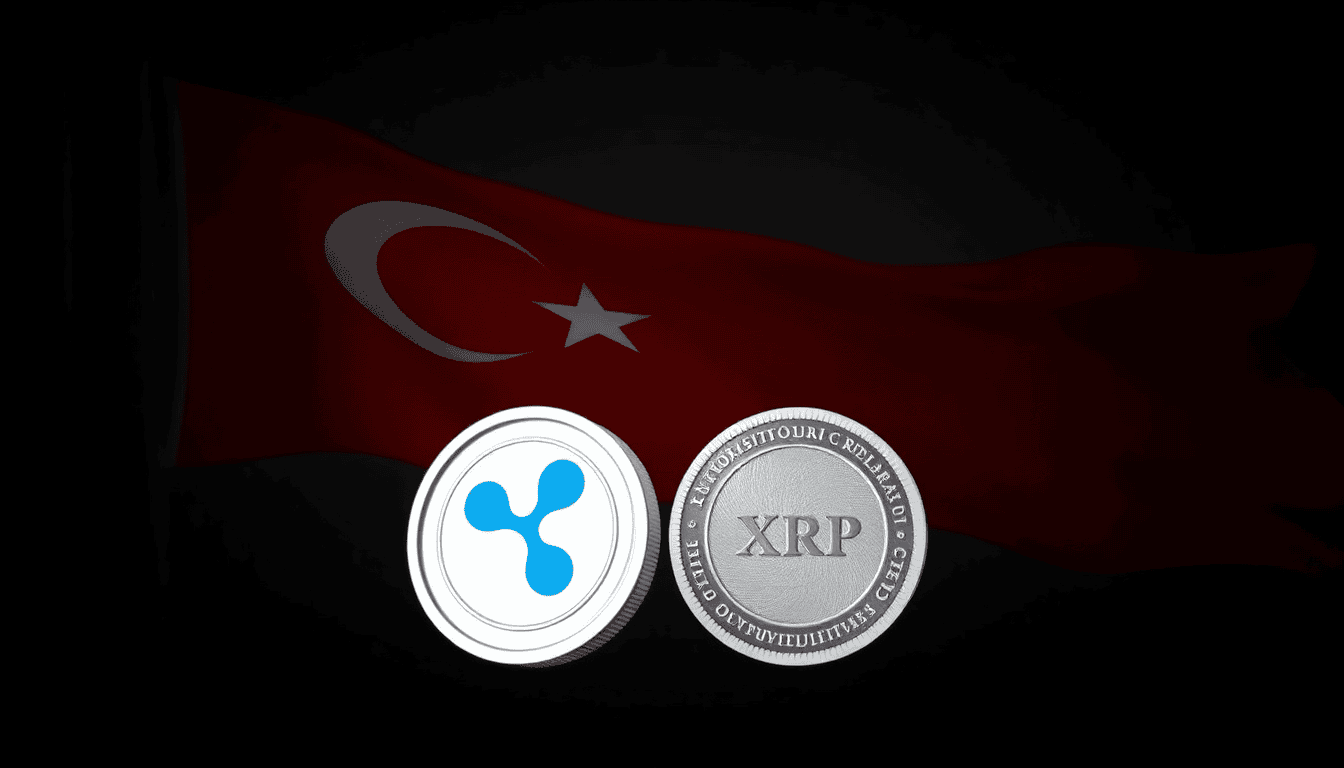
Yapı Kredi, one of Türkiye’s largest private banks, is expanding its cryptocurrency operations by adopting Ripple Custody to manage and protect digital assets. The partnership marks another institutional development for Ripple, although it comes amid a sharp slowdown in XRP trading against the Turkish lira, with Binance volume projected to fall approximately 70% year over year.
Under the agreement, Yapı Kredi will integrate Ripple’s custody infrastructure into its cryptocurrency platform, Yapı Kredi Kripto. The technology will be installed directly within the bank’s facilities, allowing it to oversee the storage and management of digital assets internally.
Ripple identified Türkiye as the largest retail cryptocurrency market in the Middle East and Africa, noting that XRP remains among the most widely held digital assets in the country.
Despite this growing institutional adoption, XRP’s local trading activity has weakened considerably. Binance data suggest that XRP/TRY trading volume could reach approximately $136 million in November, compared with $475 million recorded during the same month in 2025.
The broader market performance has also remained under pressure, with XRP trading near $0.92 after losing approximately 58% of its value over the past year.
The latest development highlights a growing disconnect between Ripple’s institutional expansion and XRP’s market performance, raising questions about whether additional banking partnerships can eventually improve demand for the token.
Ripple Strengthens Turkish Banking Presence With Yapı Kredi Deal
Yapı Kredi will deploy Ripple Custody to provide secure storage and management services for digital assets associated with its cryptocurrency trading platform.
The partnership comes as Türkiye continues developing its regulatory framework for digital asset businesses.
The country’s Capital Markets Board (CMB) introduced regulations for cryptocurrency service providers in 2024. Yapı Kredi subsequently secured authorization to operate as a crypto custodian in 2026.
Under the regulatory requirements, cryptocurrency trading platforms must maintain at least 95% of customer assets with authorized custodians. This has increased the importance of licensed financial institutions in the country’s digital asset market.
Ripple also claimed that its custody technology supports every leading Turkish bank that has obtained a cryptocurrency custody license so far.
Reece Merrick, Ripple’s managing director for the Middle East and Africa, highlighted the importance of providing financial institutions with the security and operational control needed to develop cryptocurrency services.
XRP Trading Volume Faces a 70% Annual Decline
Although Ripple continues to strengthen its relationships with Turkish financial institutions, trading data indicate that interest in XRP has diminished.
Binance’s monthly XRP/TRY figures show a significant reduction in activity compared with last year.
- November 2025: Trading volume reached approximately $475 million.
- November 2026: Around $113 million had been recorded through November 25, putting the projected monthly total at approximately $136 million.
- Previous trading highs: Volume reached $461 million in February and $375 million in September before declining.
The projected November figure represents a reduction of roughly 70% compared with the previous year’s monthly volume.
XRP has also lost ground against other cryptocurrencies in Turkish lira trading. During the past 30 days, the token accounted for approximately 1.7% of Binance’s TRY trading volume, ranking 11th. Its share of dollar-pegged stablecoin trading was higher at 3.3%, placing it fifth.
The trend extends to local exchange BtcTurk, where XRP ranked 11th by lira trading volume on Tuesday. These figures suggest that Turkish investors are increasingly allocating trading activity toward smaller-cap cryptocurrencies.
However, the weakening lira has partially reduced XRP’s losses for domestic investors. The token has declined approximately 50% against the Turkish currency over the past year, compared with a 58% drop in US dollar terms. The difference reflects the lira’s roughly 16% depreciation against the dollar.
XRP Price Analysis: Can Bulls Push Above $1?
XRP continues to trade below its major exponential moving averages, suggesting that the broader downward trend remains intact.
The cryptocurrency recently traded around $0.9209, compared with its 50-day EMA at $1.14 and its 200-day EMA at $1.30.
The following price levels remain important for traders:
Resistance levels
- $1.00: The immediate barrier for buyers. The level previously acted as support before turning into resistance, with XRP failing to break above it on November 18 and November 23.
- $1.048: A secondary resistance zone where the token recorded several rebounds between late June and early August.
Support levels
- $0.91: This area has repeatedly attracted buyers, with daily lows holding near the level for four consecutive sessions since Sunday.
- $0.86: A break below the immediate support could expose XRP to another test of this recent low.
The latest Yapı Kredi agreement strengthens Ripple’s position in Türkiye’s financial sector and expands its custody business. However, the partnership does not necessarily translate into direct buying demand for XRP, since institutional custody services can operate independently of the token’s market price.
For XRP investors, reclaiming $1 remains the immediate technical challenge. A sustained move above this level could improve market sentiment, while continued weakness below it may leave the cryptocurrency exposed to further downside pressure.