cpeditor
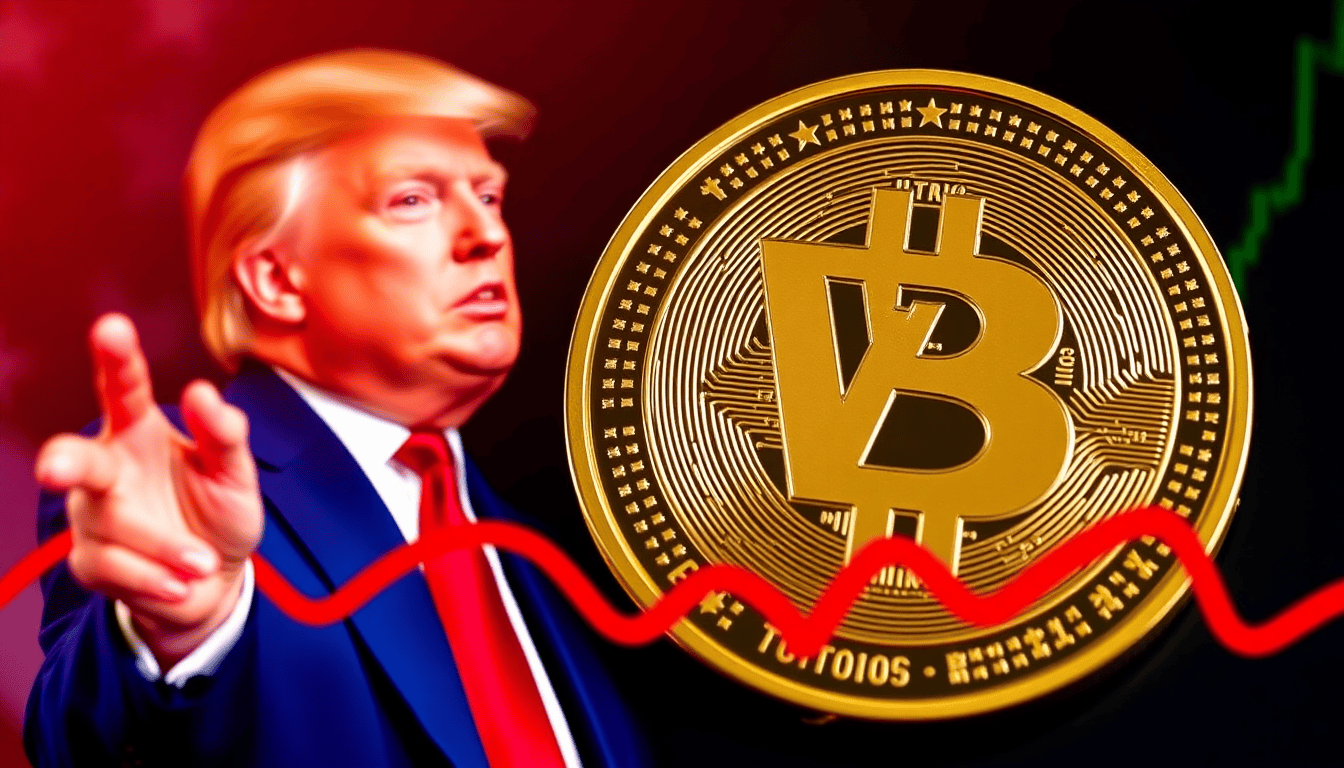
Trump-Backed WLFI Token Loses 50% as Treasury ETH Dump Triggers Investor Backlash
World Liberty Financial is facing renewed scrutiny after blockchain data revealed a multimillion-dollar ether sale from a wallet associated with the project, coinciding with a sharp decline in its native token.
WLFI, the governance token of the Trump family-backed decentralized finance (DeFi) platform, plunged more than 50% over 24 hours, setting a new record low and intensifying its public dispute with early investor Justin Sun.
According to CoinDesk data, WLFI fell to approximately $0.016 before recovering to around $0.020. The latest decline leaves the token nearly 95% below its September 2025 high of $0.33.
The market downturn coincided with a sizeable ETH liquidation from an address linked to World Liberty Financial’s strategic reserves.
EmberCN, citing information from Arkham Intelligence, reported that a wallet identified as “World Liberty Financial: Strategic Reserve” sold 12,121 ETH through the CoW Swap decentralized exchange aggregator. The transaction generated approximately $20.06 million in stablecoins, including $17.58 million in USDC and $2.48 million in USD1.
The ETH was sold at an average price of approximately $1,655. Given the project’s reported average acquisition cost of $3,244 per ETH last year, the sale resulted in an estimated realized loss of $19.26 million.
CoinDesk requested a statement from World Liberty Financial regarding the WLFI price collapse and the reported wallet activity. However, the company had not responded by publication time.
The ETH transaction also fueled discussions about the project’s debt obligations. Several users on X speculated that the sale was connected to a $75 million stablecoin loan World Liberty Financial reportedly secured through Dolomite earlier this year.
The borrowing was backed by approximately 5 billion WLFI tokens. This prompted suggestions that the project might have liquidated ETH to repay part of the loan, add collateral or reduce its exposure to liquidation.
USD1 Stablecoin Briefly Falls Below $1
World Liberty Financial launched ahead of the 2024 U.S. presidential election as a cryptocurrency lending and stablecoin business. Donald Trump and his sons, Eric Trump, Donald Trump Jr. and Barron Trump, co-founded and promoted the venture alongside executives Zach Witkoff and Chase Herro.
The platform’s ecosystem includes WLFI, its governance token, and USD1, a stablecoin intended to maintain parity with the U.S. dollar.
However, USD1 also experienced a brief deviation from its target price. TradingView data showed the stablecoin falling as low as $0.94 early Saturday before recovering toward $1.
Justin Sun Calls for Exchanges to Take Action
The latest developments prompted Tron founder Justin Sun to escalate his criticism of World Liberty Financial. Sun, who was once among the project’s biggest investors, accused the company of multiple forms of alleged misconduct.
In a statement posted on X, he alleged that the project was involved in insider circular lending, unauthorized token sales, investor asset freezes and fraud.
Sun urged major cryptocurrency exchanges, regulatory agencies and judicial authorities to intervene. His requested measures included issuing public warnings, delisting WLFI and USD1, limiting deposits and investigating the movement of funds.
He also claimed that individuals associated with the project had been deleting social media posts and communications to conceal alleged wrongdoing. Sun argued that immediate action was necessary.
Dispute Over Sun’s Frozen WLFI Tokens Continues
The conflict between Sun and World Liberty Financial dates back to his $30 million investment in the venture, which began in late 2024.
Shortly after WLFI began trading in September 2025, the project reportedly blacklisted Sun’s wallet, leaving approximately 595 million unlocked tokens frozen. The holdings were valued at roughly $107 million at the time.
The disagreement subsequently developed into a legal battle. Sun filed a lawsuit against World Liberty Financial in federal court in April 2026, accusing the company of fraud and extortion.
World Liberty Financial filed a countersuit the following month, alleging that Sun had shorted WLFI to deliberately drive down its market price.