cpeditor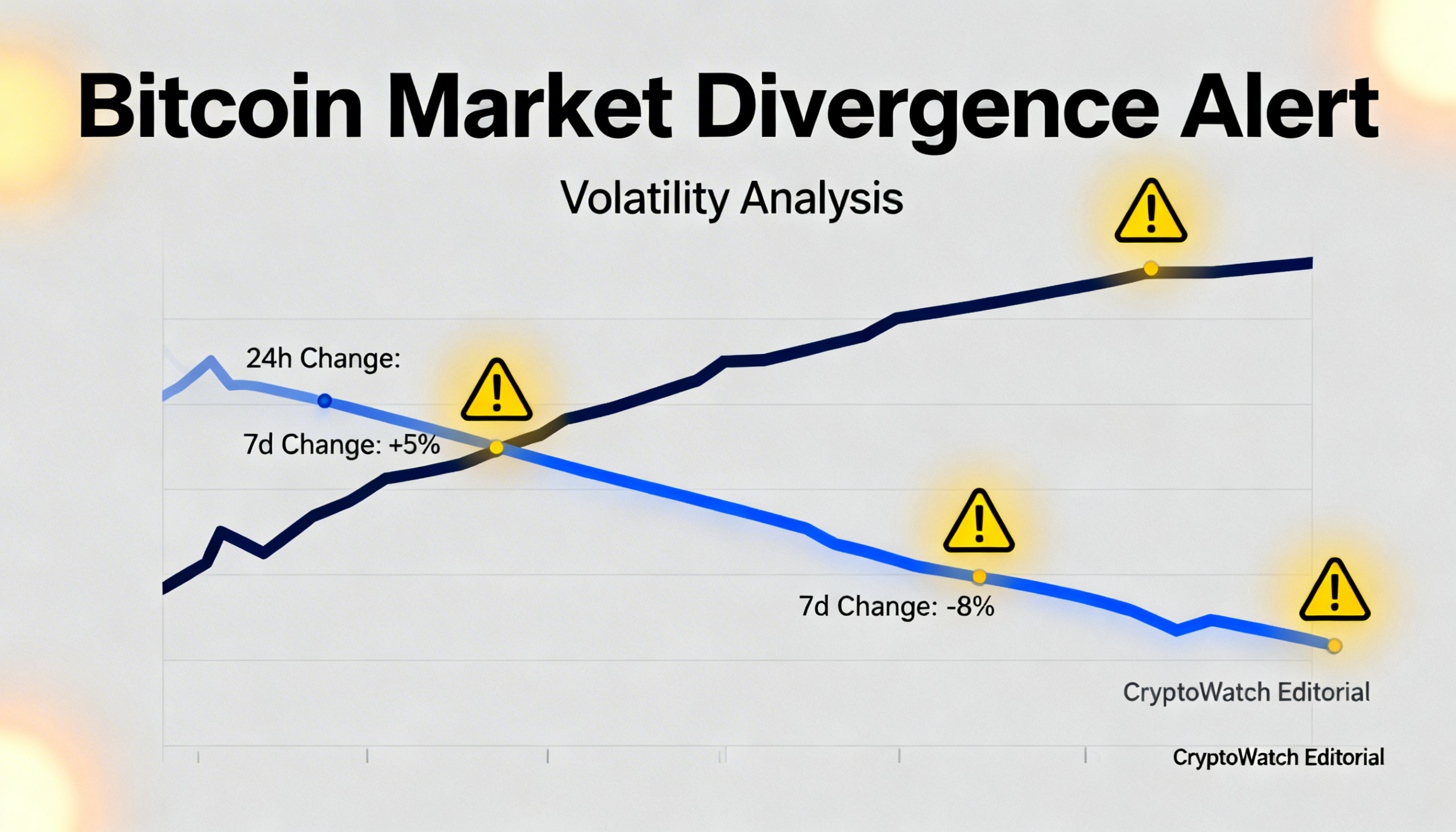
Bitcoin has shown remarkable resilience in recent weeks, holding steady near $70,000 despite negative headlines—from the ongoing Iran war to surging oil prices and fading bets on Federal Reserve rate cuts. At first glance, this stability points to strong underlying demand and a bullish narrative.
Yet, a closer look at key indicators suggests caution.
The Coinbase Premium, which tracks the price difference between bitcoin on Coinbase and Binance, has turned negative for the first time in over a month, according to Coinglass. Historically, a positive premium signals robust buying from U.S. institutions, often coinciding with major rallies such as bitcoin’s run toward $100,000 in late 2024. The current negative reading, which began around March 19, indicates weaker demand from U.S.-based investors.
Spot bitcoin ETF inflows, another gauge of institutional interest, are showing a similar slowdown. Data from SoSoValue reports that the 11 U.S.-listed spot bitcoin ETFs recorded $1.53 billion in net inflows this month, ending three months of outflows. However, nearly $1.3 billion came in the first half of the month, with inflows dropping sharply to $195 million since then. Analysts note that consistent and strong inflows are essential to sustain bullish momentum.
Vikram Subburaj, CEO of Giottus, summarized the trend: “Institutional demand hasn’t disappeared. But it is more selective and less linear than during the strongest accumulation phases.”
As of the latest data from CoinDesk, bitcoin continues to trade near $70,000—holding steady for now, but with key indicators that complicate the bullish narrative.