cpeditor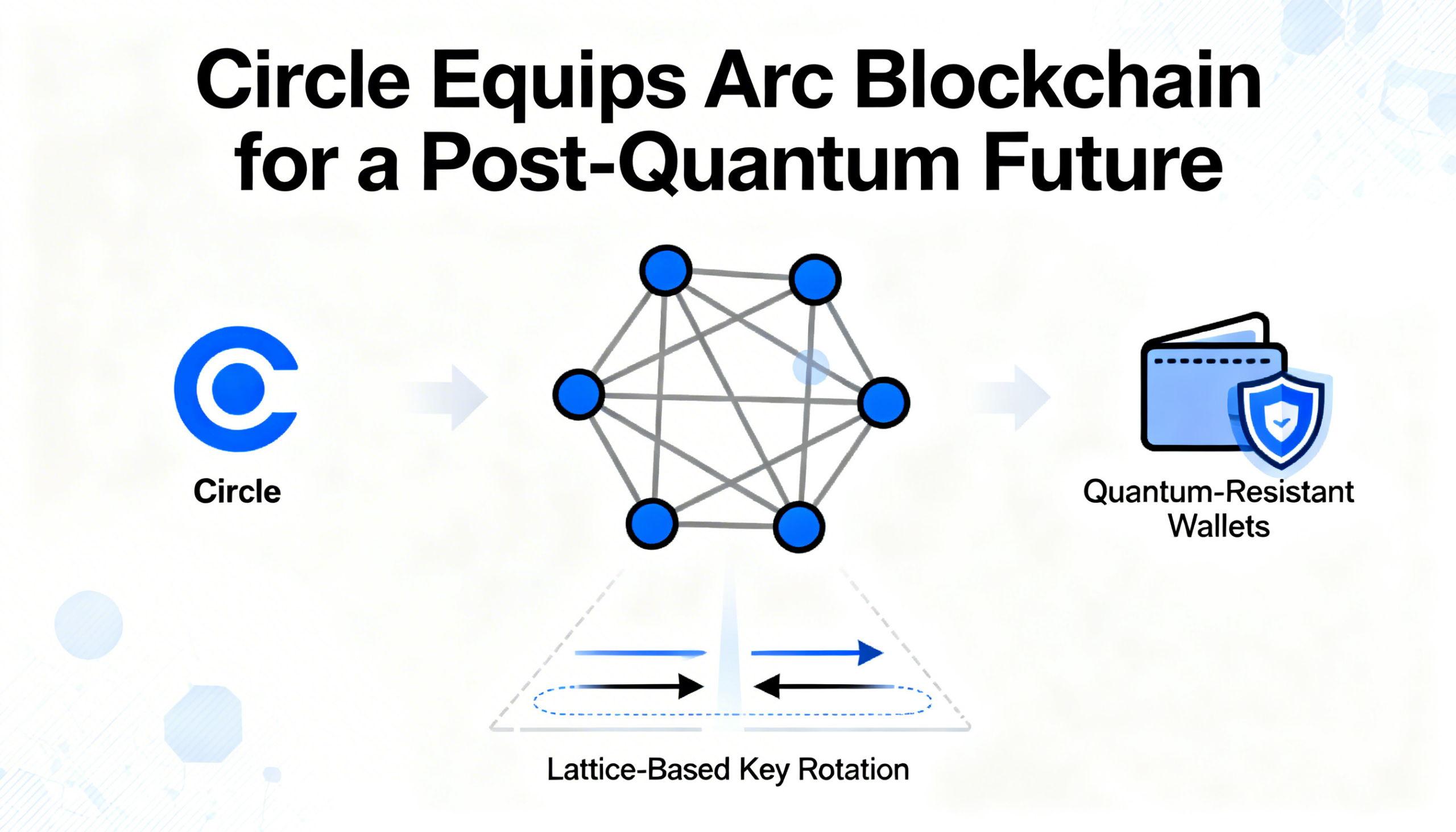
Circle is positioning its Arc blockchain for a quantum-powered future, with plans to introduce quantum-resistant wallets at launch rather than as a later upgrade.
The Layer-1 network, designed for institutional-grade stablecoin infrastructure, said it will implement a post-quantum signature scheme on mainnet. This will allow users to create wallets secured against potential quantum attacks from day one, according to a recent project update. A launch timeline has not yet been announced.
Unlike legacy blockchains that may need to retrofit quantum protections, Arc is embedding this capability directly into its core architecture. Users onboarding to the network will be able to select cryptographic signing methods built to resist future quantum threats, ensuring stronger long-term asset security.
Currently, blockchain systems rely on cryptographic keys to verify ownership and approve transactions—mechanisms that remain secure against classical computing. However, advances in quantum computing could eventually undermine these safeguards, potentially allowing attackers to extract private keys either gradually or almost instantly.
Arc aims to mitigate that risk proactively by integrating quantum-resistant cryptography from the outset, rather than waiting for the threat to materialize.
The announcement comes amid rising industry attention on quantum vulnerabilities, especially after a recent Google report examined potential risks to networks like Bitcoin and Ethereum. At the same time, developers are exploring defensive solutions, while firms such as Postquant Labs are investigating how quantum technology could also enhance blockchain resilience.
Arc’s forward-looking design may appeal to institutional participants seeking robust, future-proof infrastructure. The network launched its testnet in October and uses Circle’s USDC stablecoin as the native token for gas fees. With a market capitalization of approximately $77.5 billion, USDC remains one of the largest regulated stablecoins in the market.
Beyond wallet-level security, Arc’s roadmap outlines broader protections for sensitive financial data in a quantum era. Near-term priorities include securing private balances, confidential transactions, and recipient details using quantum-resistant techniques.
Over the medium term, the project plans to strengthen potential infrastructure vulnerabilities, including validator cloud systems, hardware security modules, and node communication channels—effectively hardening the entire network stack against quantum-era threats.
By integrating quantum resistance into its foundation, Arc is aiming to offer a blockchain built not just for today’s security standards, but for the challenges of tomorrow’s computing landscape.