cpeditor
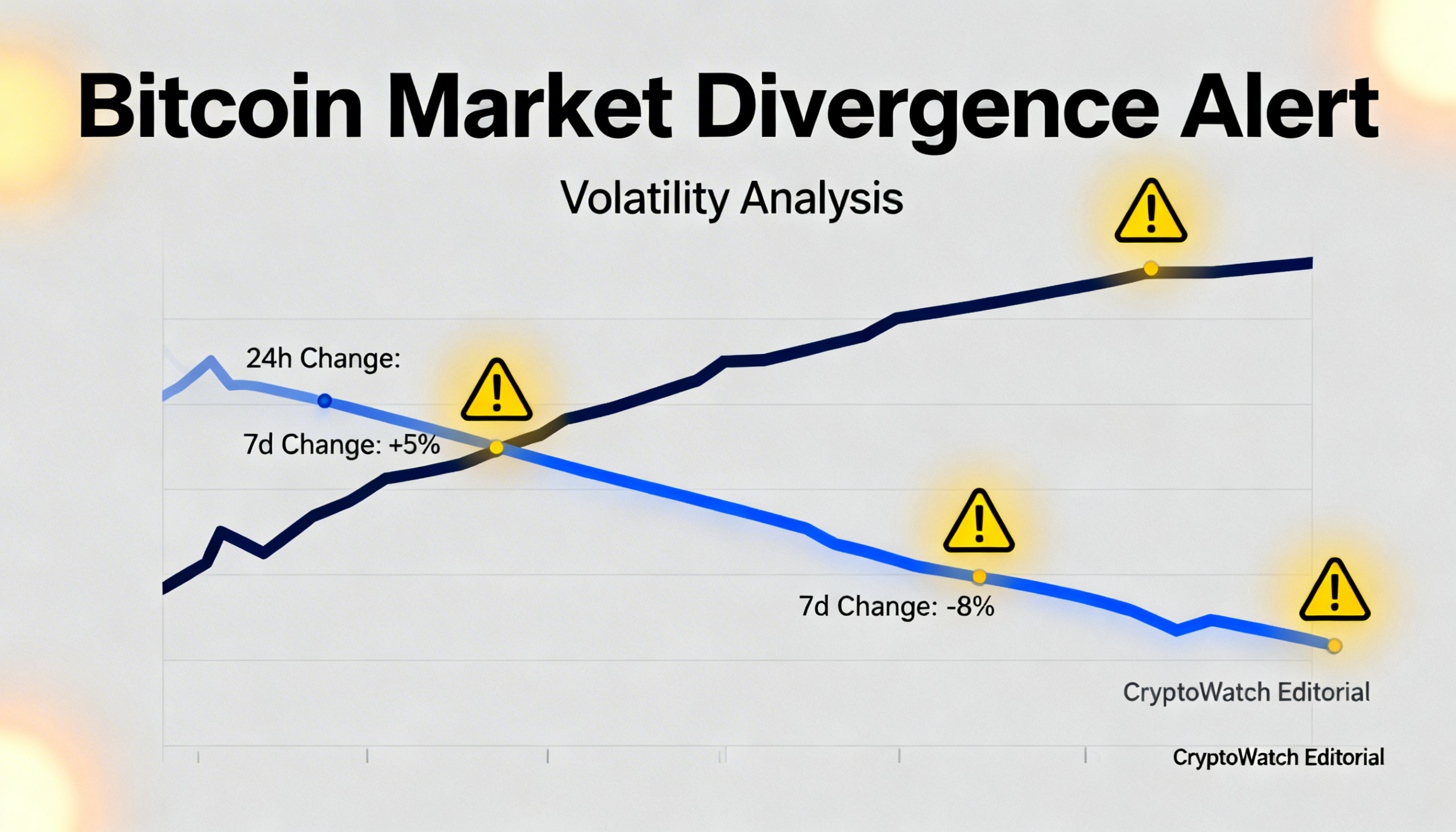
Bitcoin is showing stronger resilience than traditional safe-haven assets, as gold and silver face mounting pressure from ETF outflows, institutional deleveraging and weakening liquidity, according to JPMorgan.
In a report led by Nikolaos Panigirtzoglou, the bank’s analysts highlighted a notable shift in market dynamics, pointing out that gold’s liquidity conditions have deteriorated to the extent that its market breadth now trails bitcoin—an uncommon reversal.
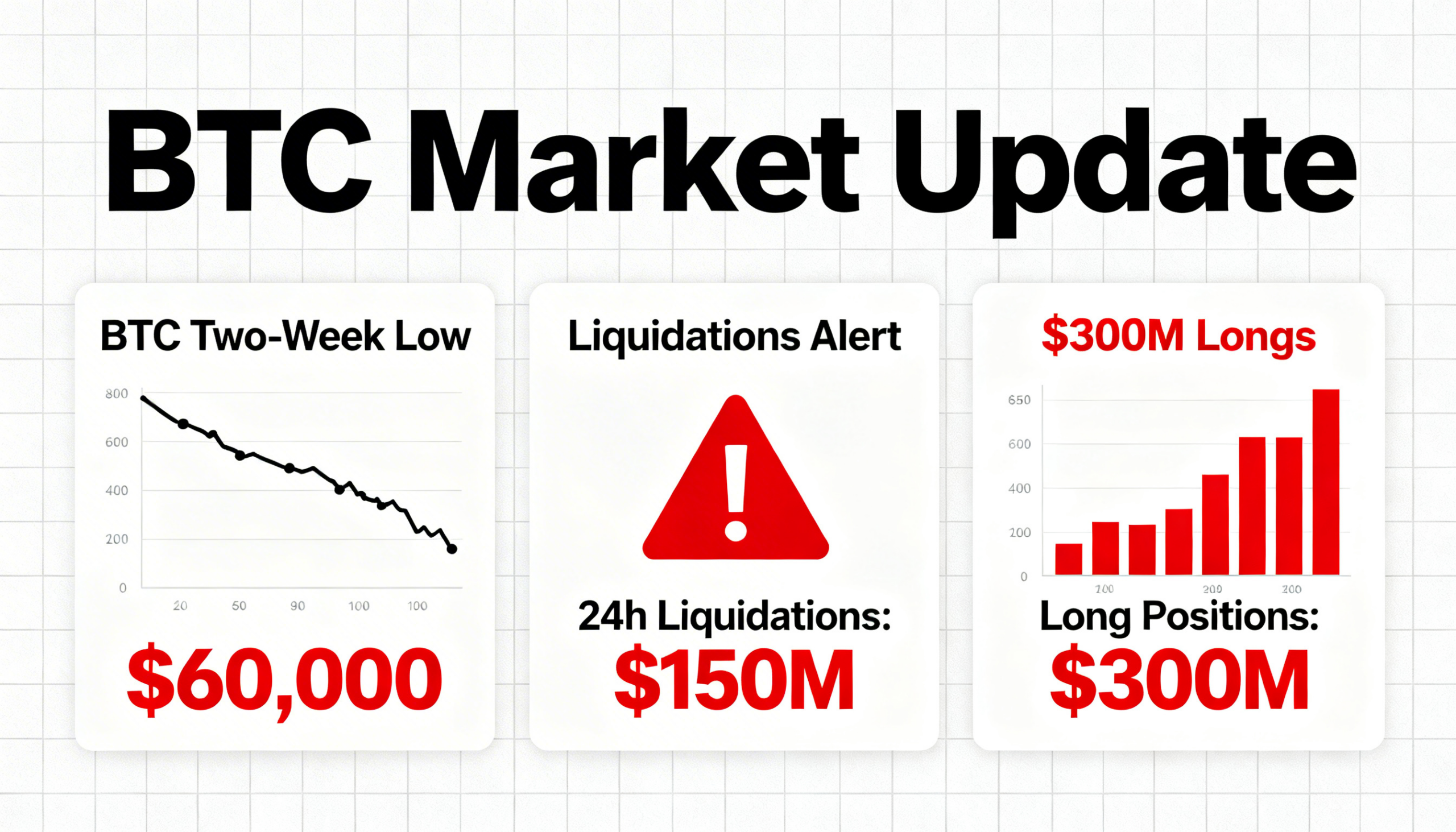
Bitcoin has held relatively firm in recent weeks following the outbreak of conflict in Iran, despite undergoing a sharp correction from its October peak. The asset initially moved lower alongside broader risk markets, briefly slipping into the low-$60,000 range and triggering significant liquidations as investors rushed to cut risk amid geopolitical uncertainty.
The sell-off, however, proved short-lived. Prices have since stabilized in the high-$60,000 to low-$70,000 range, even as tensions remain elevated and oil continues to trade above $100 per barrel.
This pattern suggests bitcoin is behaving less like a traditional safe haven during periods of immediate stress and more like a high-beta macro asset—declining during the initial shock before stabilizing as capital flows return and longer-term investors re-enter the market.
Meanwhile, precious metals have struggled. Gold has dropped about 15% month-to-date, reversing a crowded rally that drove prices to record highs near $5,500 in January. Silver has mirrored the decline after peaking around $120. JPMorgan attributed the pullback to higher interest rates, a stronger U.S. dollar and broad profit-taking by both institutional and retail investors.
Fund flow data reinforces this divergence. Gold ETFs have seen roughly $11 billion in outflows in the first three weeks of March, while earlier inflows into silver ETFs have been largely unwound. In contrast, bitcoin investment products have continued to attract net inflows over the same period.
Positioning data tells a similar story. JPMorgan’s proxy for institutional activity, based on CME futures open interest, shows that exposure to gold and silver built up significantly through late 2025 and early 2026 before declining sharply since January as investors reduced positions. Bitcoin futures positioning, by comparison, has remained relatively stable.
Momentum indicators also highlight the split. Trend-following investors, including Commodity Trading Advisors (CTAs), have aggressively cut exposure to gold and silver, with signals shifting from overbought to below-neutral levels—likely accelerating recent declines. Bitcoin’s momentum, on the other hand, is recovering from oversold territory toward neutral, suggesting selling pressure may be easing.
Liquidity conditions further underscore the divergence. Gold’s market depth has weakened to the point where it now lags bitcoin, while silver’s thinner liquidity has amplified recent price swings.
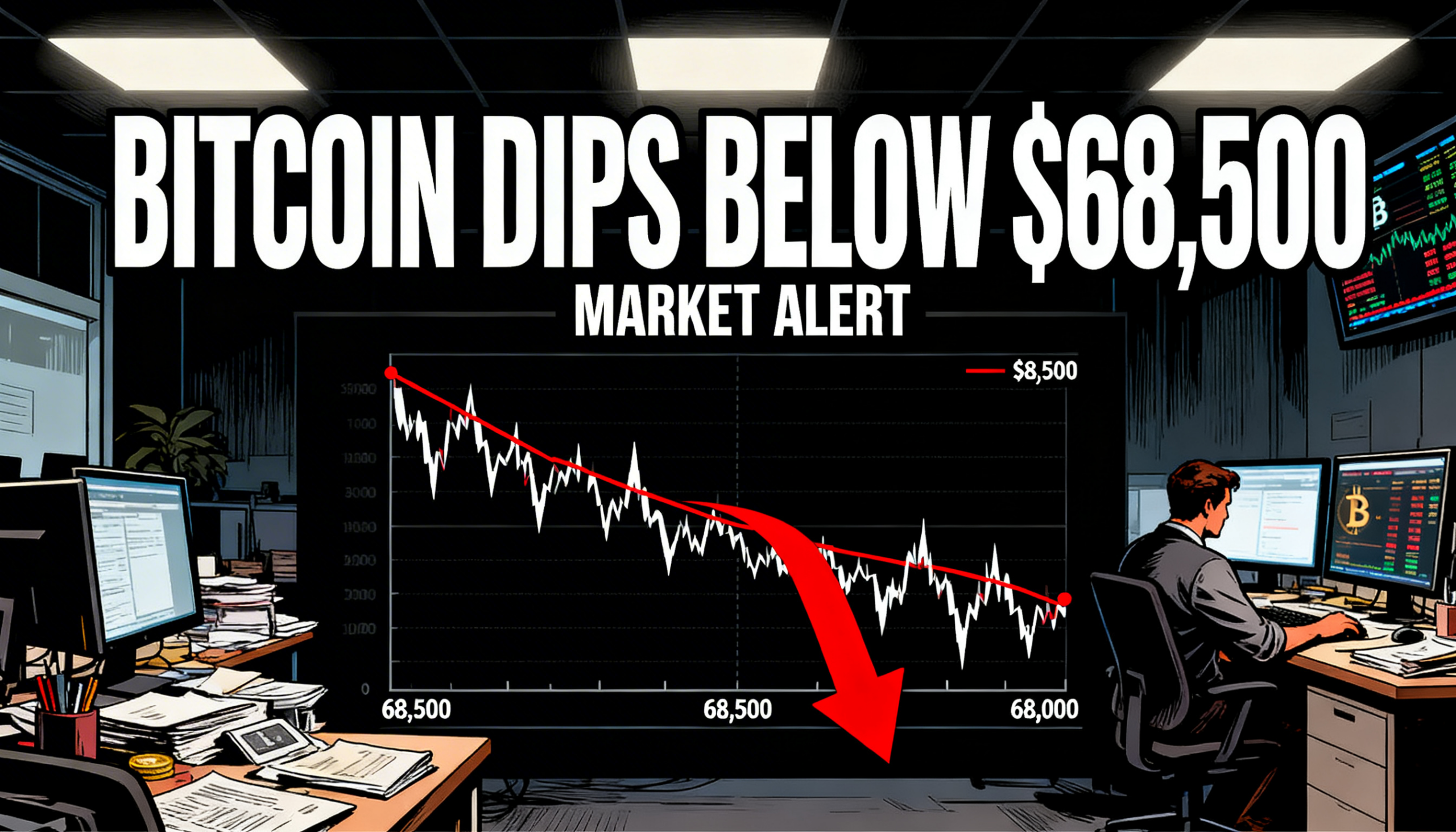
At the time of publication, bitcoin was trading near $69,000, with gold around $4,450 per ounce and silver close to $69 per ounce.