cpeditor
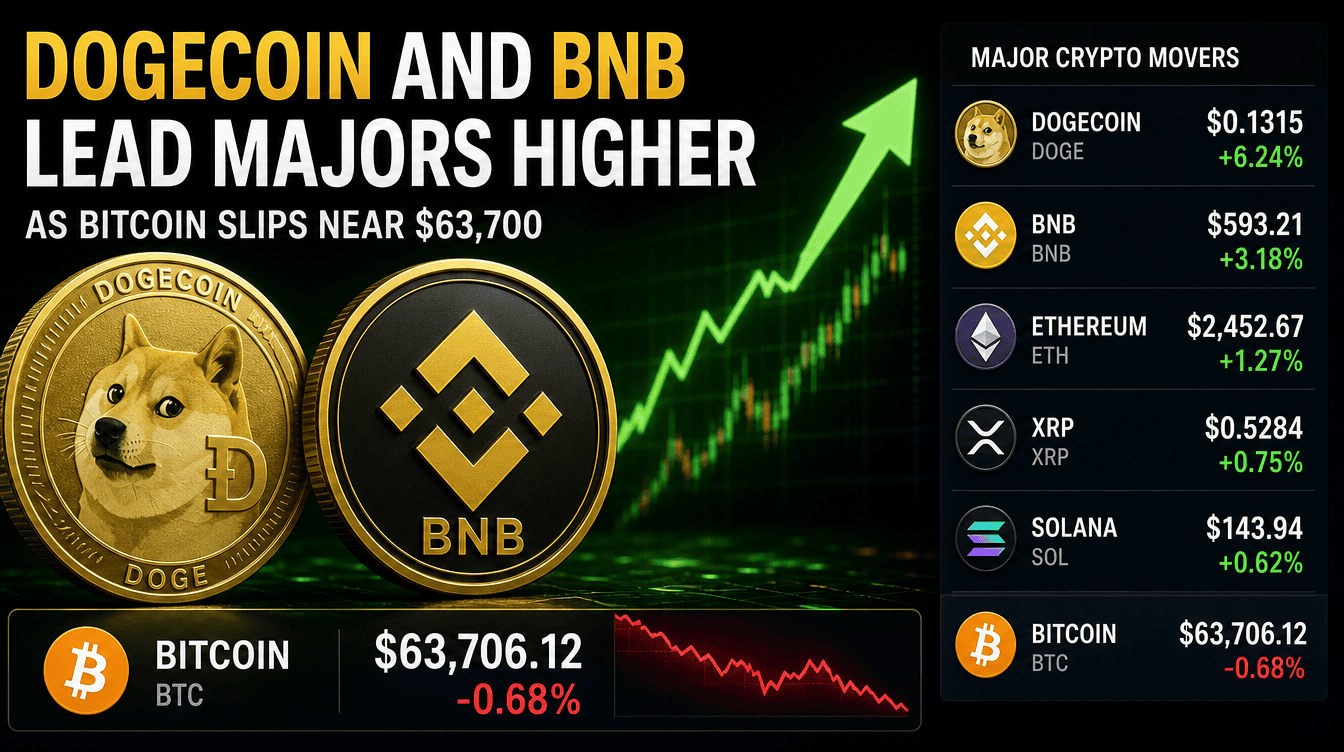
Crypto markets were relatively steady on Tuesday following Monday’s tariff-driven volatility, though caution persisted as altcoins continued to lag bitcoin.
Bitcoin and major tokens nursed losses through Asian afternoon trading, with derivatives positioning still defensive after the previous day’s macro-led pullback. In early European hours, bitcoin slipped below $90,000, little changed on the day after Monday’s drop linked to fresh tariff headlines and a broader shift toward risk aversion.
Ether held near $3,200, while Solana, XRP and Cardano were mixed on the session but remained sharply lower on the week, highlighting how altcoins have borne the brunt of recent declines.
Macro uncertainty continues to weigh on markets. Renewed U.S.-Europe tariff tensions — tied to President Donald Trump’s Greenland comments — have driven investors toward traditional safe havens. Gold and silver advanced, while cryptocurrencies underperformed, even as some equity markets held steady.
Farzam Ehsani, chief executive of exchange VALR, said crypto’s weakness reflects sector-specific fragility rather than a broad-based risk-off move.
“Capital is rotating into established safe havens, while crypto continues to trade as a high-beta risk asset,” he said, adding that bitcoin may struggle to sustain higher levels without clearer signs of rate cuts or renewed institutional inflows.
Rising U.S. Treasury yields added further pressure, as global bond markets sold off on fiscal and geopolitical concerns.
For now, traders remain cautious, waiting for a clearer catalyst to break the market out of its low-volatility range.