cpeditor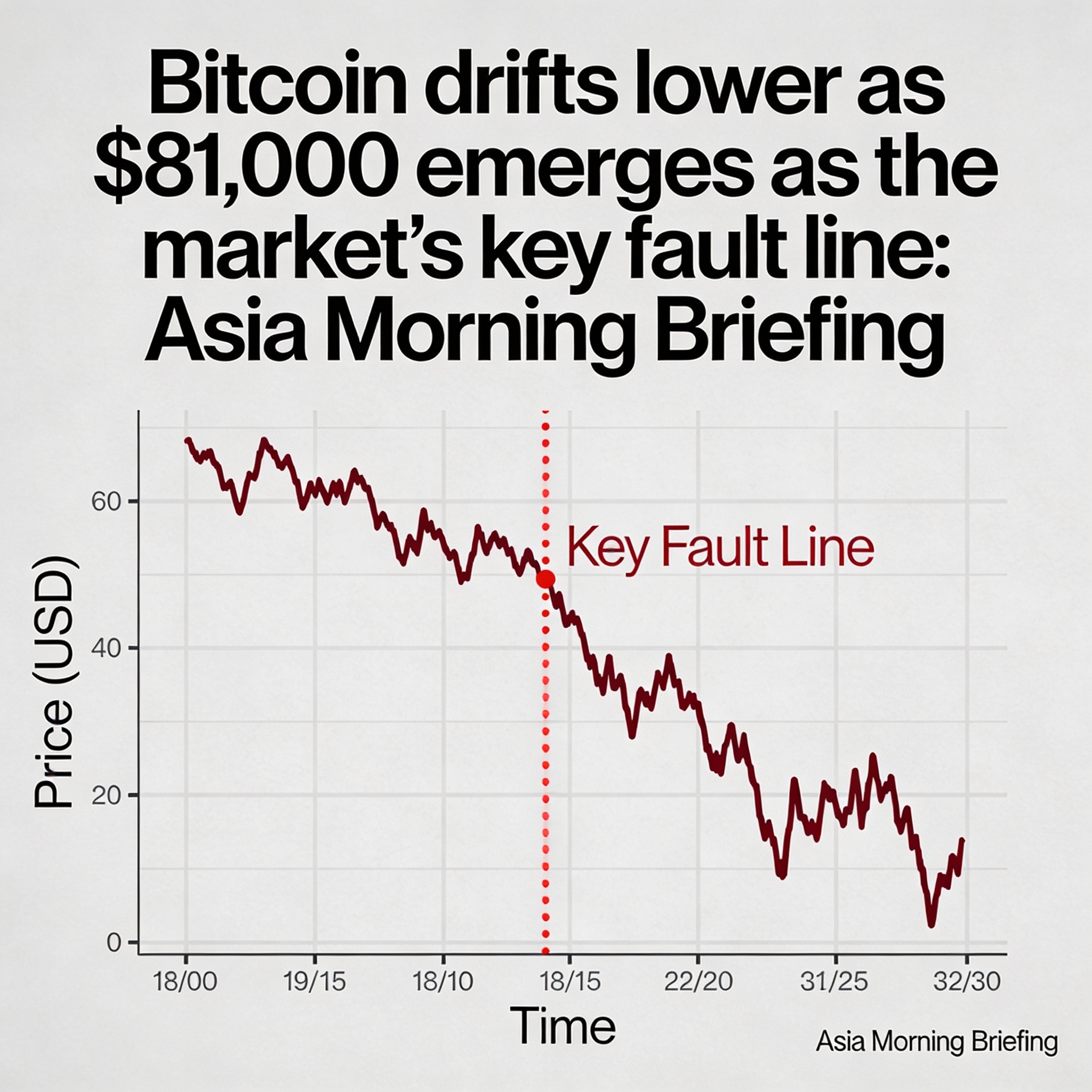
Glassnode has flagged bitcoin’s True Market Mean, currently around $81,300, as a critical threshold separating time-based drawdowns from periods of more aggressive loss realization. Since the post-October shift in market conditions, that level has taken on increased significance.
Correlation data helps explain why the level matters beyond bitcoin alone. Over the past 90 days — and particularly since the October 10 flash crash — large-cap crypto assets have remained tightly correlated with bitcoin, underscoring its role as the market’s primary anchor.
As a result, a sustained break below the True Market Mean would likely have broader implications than simply extending losses in already-weak tokens. Glassnode data shows that when bitcoin trades below this level for prolonged periods, selling pressure has historically spread across the wider market.
With large-cap assets still closely tracking bitcoin while higher-beta tokens have already seen sharp selloffs, a move below $81,300 risks pulling that weakness back into the market’s core. The issue, then, is less about predicting an outright breakdown and more about identifying where market equilibrium currently sits.
As long as bitcoin holds above the True Market Mean, losses are likely to remain uneven and localized. But if $81,300 fails to hold and prices do not recover, Glassnode’s historical analysis suggests selling pressure would be more likely to extend beyond the long tail of risk assets. In a post-October environment marked by thin liquidity and tight large-cap correlations, such a move would signal a shift from a slow, grinding drawdown toward a more synchronized market reset.
Market Movement
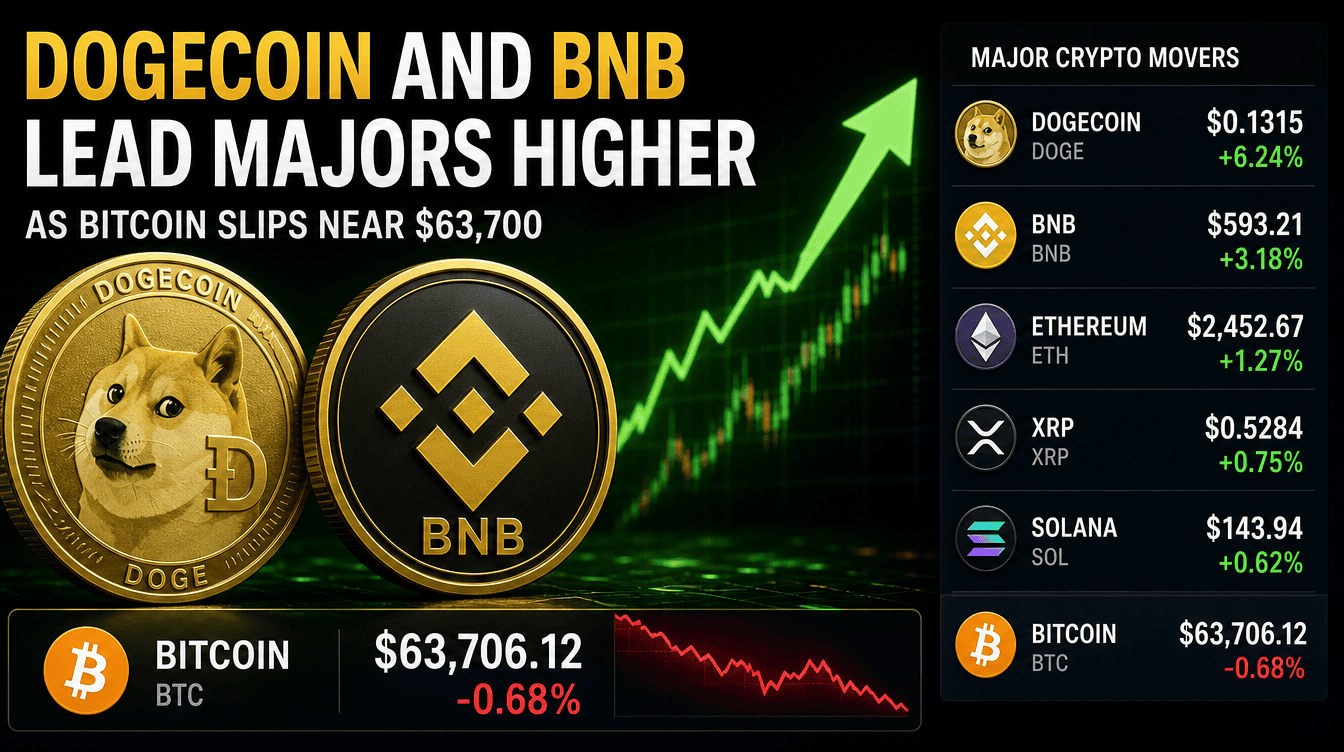
BTC: Bitcoin was little changed near $86,400, down about 1% on the day and roughly 6.5% over the past week as the recent pullback continued.
ETH: Ether traded around $2,830, down about 3.6% over the past 24 hours and roughly 15% on the week, underperforming bitcoin amid broader market weakness.
Gold: Gold has surged to record highs in 2025, with prices doubling over the past two years to above $4,300 an ounce. Central bank buying, geopolitical risks, U.S. fiscal concerns and a widening investor base have prompted major banks to forecast prices approaching $5,000 in 2026.