cpeditor
Gold is enduring its longest slide in more than a century, while bitcoin is strengthening on a relative basis, pushing the BTC-to-gold ratio roughly 30% higher since the Middle East conflict began.
The metal has declined for 10 consecutive sessions—its worst streak since February 1920—according to Katie Greifeld. Prices have fallen as much as 27% from January’s peak, dropping to around $4,090 before finding support at the 200-day moving average, a key level often viewed as a signal of longer-term trend stability.
Gold has since rebounded about 2% over the past day, suggesting the selling pressure may be easing. Even so, it remains roughly 12% lower since tensions escalated in late February.
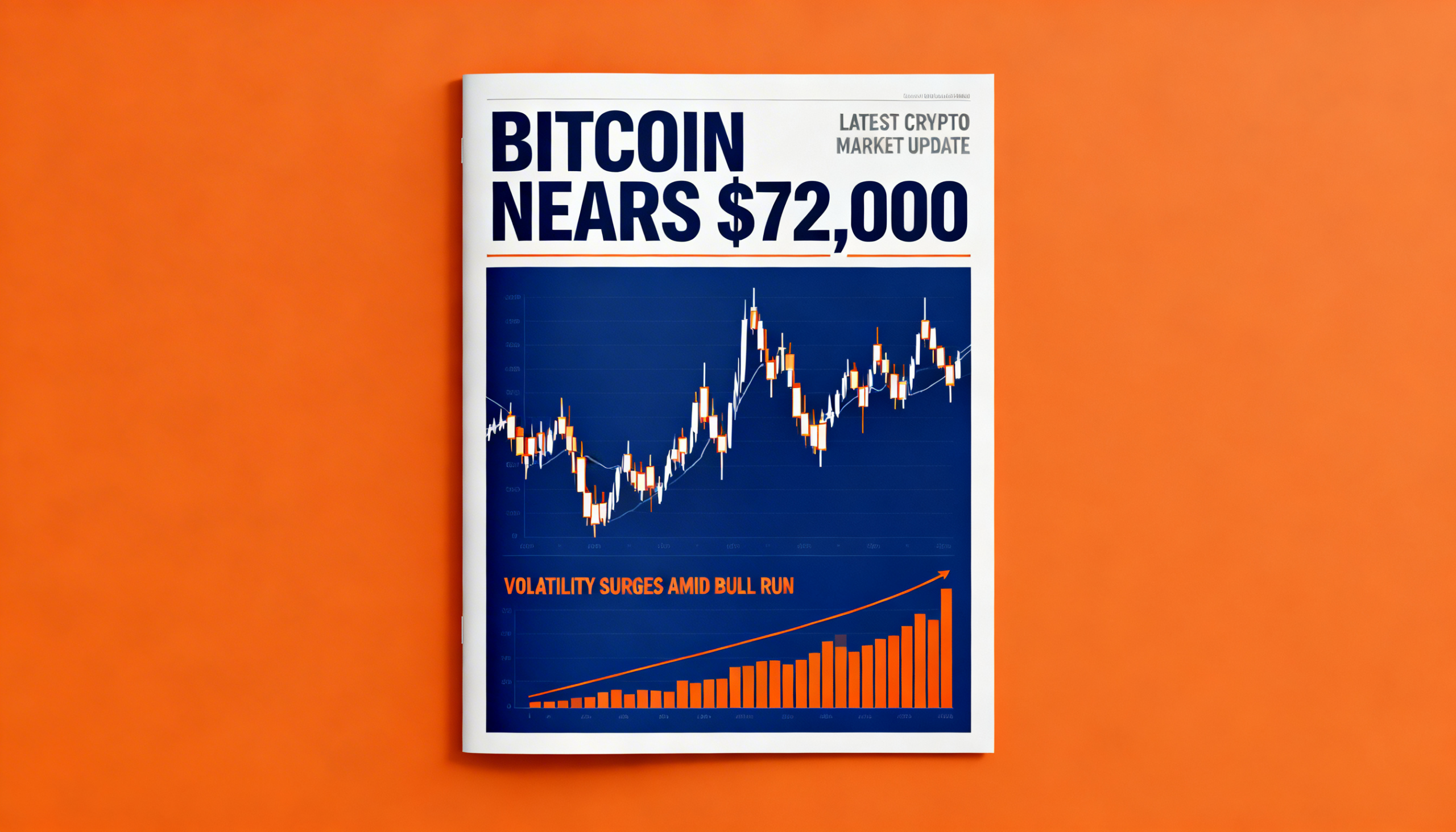
Meanwhile, bitcoin—often referred to as “digital gold”—is holding above $70,000. This has lifted the bitcoin-to-gold ratio to just under 16 ounces, up from roughly 12 ounces prior to the conflict, highlighting bitcoin’s outperformance.
Charlie Morris noted that bitcoin has steadily gained ground against gold over time, building higher relative levels since first surpassing one ounce in 2017. The ratio now sits near 16 ounces and could climb further if gold continues to lose momentum.
Historically, gold tends to lead market cycles, typically rallying first before entering a consolidation phase, allowing bitcoin to catch up and outperform in later stages.
However, Eric Balchunas argues the relationship between the two assets is not strictly inverse but largely uncorrelated. He highlighted that gold-backed ETFs such as SPDR Gold Trust (GLD) and iShares Gold Trust (IAU) have recorded billions of dollars in outflows over the past week.
In contrast, bitcoin ETFs have seen approximately $2.5 billion in inflows this month, with only about $140 million in net outflows year-to-date, despite bitcoin still being around 20% lower over that period.