cpeditor
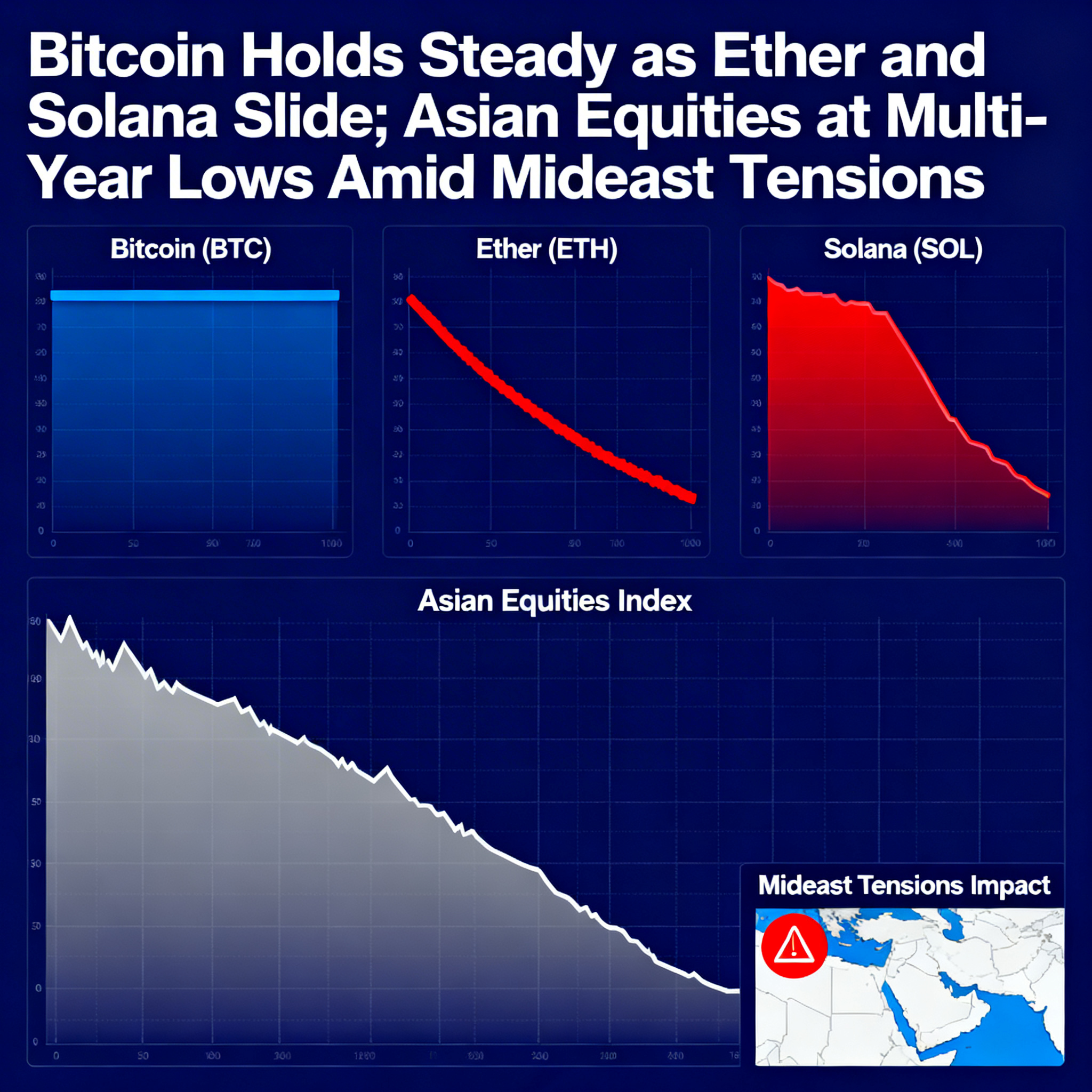
Cryptocurrency markets, which had already fallen sharply in the months leading up to the Middle East conflict, have so far avoided making new lows this week.
The brief rebound in global equities following the weekend escalation now appears to have been temporary. By mid-morning in the U.S., selling pressure returned across major markets.
The Nasdaq dropped 2.5% to session lows, while the S&P 500 lost 2.3%. European stocks saw steeper losses, led by a 5.2% decline in Italy’s IBEX 35 and a 4.1% fall in Germany’s DAX.
Precious metals, which had rallied strongly ahead of the conflict, also reversed course. Gold fell 4.3%, silver dropped 7.5%, and platinum slid 11.3%. Meanwhile, WTI crude oil climbed another 8%, reaching about $77 per barrel.
Crypto assets are showing signs of relative stability compared with other markets. Bitcoin traded around $68,000, down roughly 1% over the past day but still more than 2% above its intraday lows.
Ether, solana, and XRP also moved higher from earlier declines, though they remained slightly negative on the day.
Crypto-related stocks did not share that resilience. Robinhood dropped 7%, Coinbase fell 5%, while Strategy and Bullish both declined about 4%. Stablecoin issuer Circle held up better but still slipped roughly 1%.
According to CoinShares research head James Butterfill, bitcoin’s ability to trade continuously often makes it the first asset to absorb shocks during periods of market stress.
He added that the absence of major liquidations despite rising bond yields and geopolitical tensions indicates investors may be better positioned than in previous market disruptions.


 Admin
Admin