cpeditor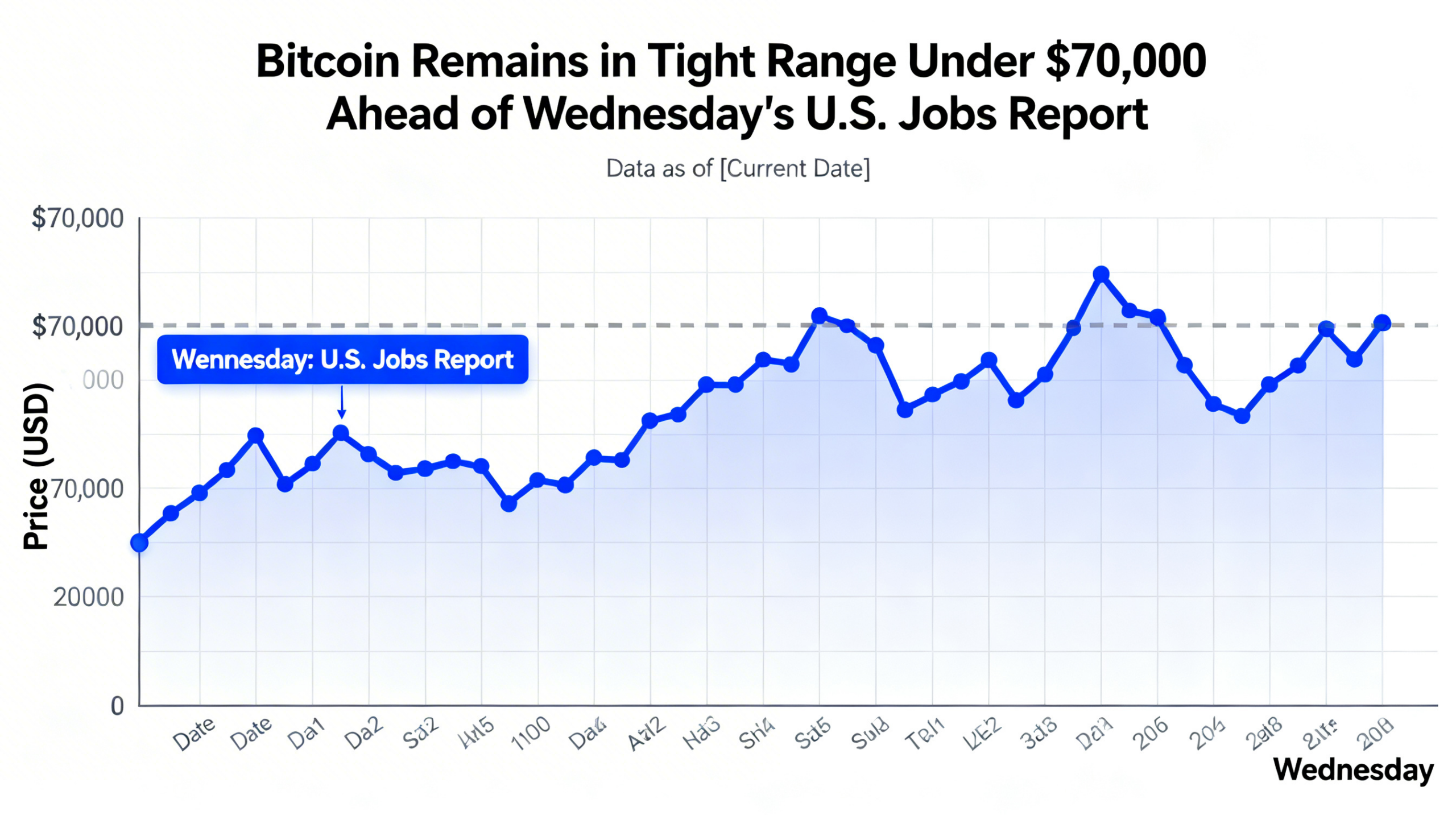
Crypto markets once again mirrored early weakness in U.S. equities on Tuesday, dropping at the opening bell before rebounding just as quickly.
Bitcoin slipped during the initial sell-off but steadied near $69,200 by mid-morning, holding roughly flat compared with the previous day. Ether fared worse with a deeper decline, while XRP and Solana also traded modestly lower.
The downturn represents bitcoin’s largest pullback since the 2024 halving, though trading activity tells a more restrained story. Data from Kaiko indicates volumes have remained relatively light throughout the decline, suggesting a lack of panic-driven liquidation and limited retail participation.
Technically, the market is nearing key support zones. Kaiko analyst Laurens Fraussen said these levels could prove decisive in determining whether bitcoin’s traditional four-year cycle narrative remains intact. A sustained move lower would challenge that framework.
According to trading firm Wintermute, derivatives markets have been the primary catalyst behind recent volatility. With spot demand subdued, leveraged positions in perpetual futures have exerted an outsized influence on price action. The firm described last week’s sharp bounce as a short squeeze, noting that the sudden resurgence in volatility caught many traders offside after a prolonged period of stability.
All eyes are now on Wednesday’s delayed January Nonfarm Payrolls report, postponed due to last month’s brief federal government shutdown. Economists expect the U.S. economy to have added around 70,000 jobs, up from 50,000 in December, while the unemployment rate is forecast to hold steady at 4.4%.
However, remarks from Trump administration officials have clouded those expectations. White House trade counselor Peter Navarro suggested the labor figures could disappoint, echoing earlier comments from economic adviser Kevin Hassett, who urged markets not to overreact to potentially weak data.
Treasury yields have edged lower ahead of the release, with the 10-year yield falling roughly 5 basis points to 4.14%. The move reflects growing caution and positioning for softer economic data.
Ordinarily, declining yields and expectations of more accommodative Federal Reserve policy would buoy risk assets like bitcoin. Yet this cycle has proven atypical. Despite cumulative rate cuts of 75 basis points in recent months, bitcoin has struggled to regain sustained upside traction, highlighting the dominant role of positioning, leverage and broader macro sentiment in shaping current crypto market trends.