cpeditor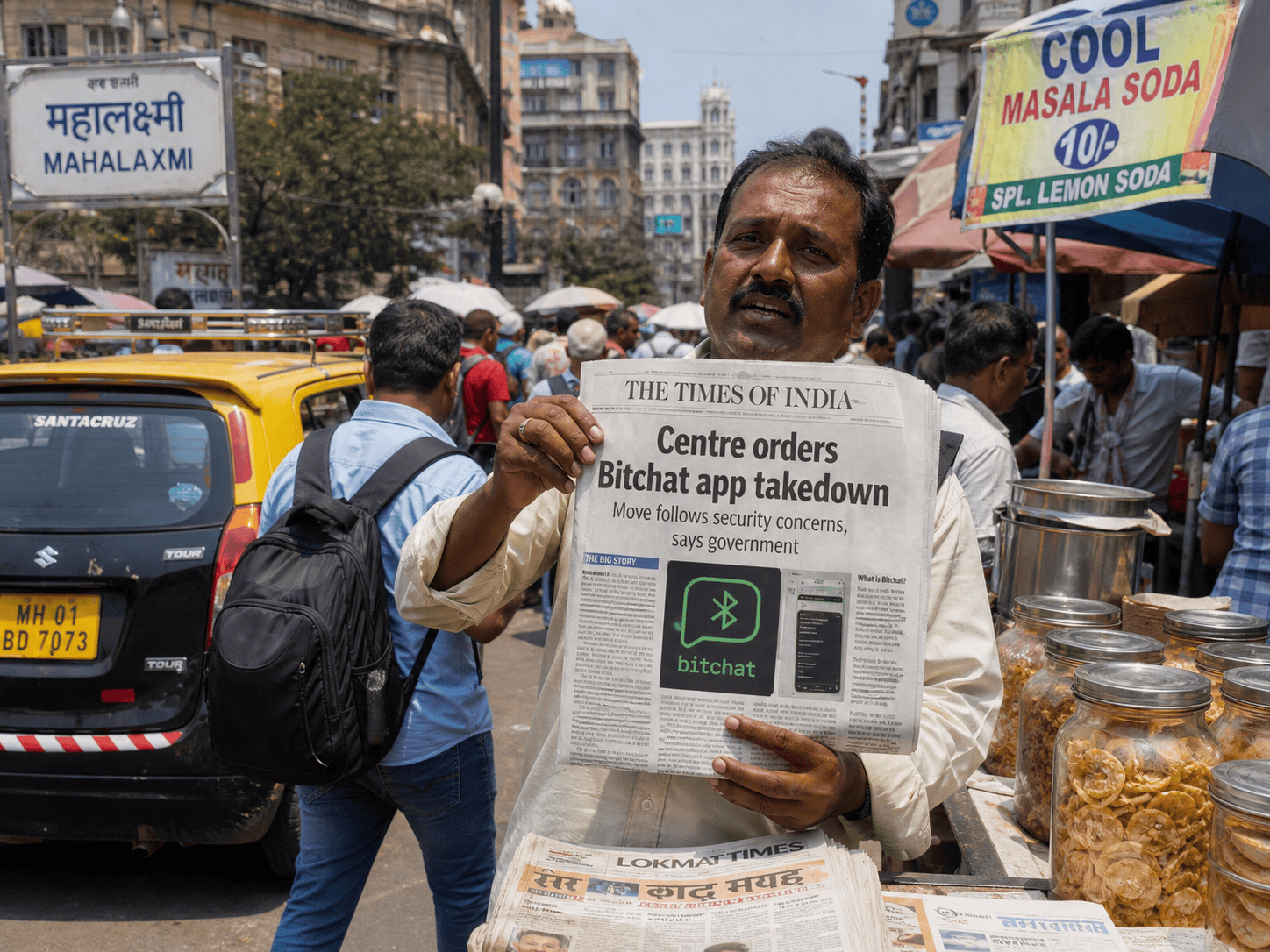
Here’s a cleaner, more fluid rewrite with a crisp news style:
India has moved to restrict Bitchat, an offline Bluetooth mesh messaging app that allows encrypted communication and even Bitcoin transactions without internet access. The action comes as protesters in Delhi increasingly turn to mesh-networking tools to stay connected during repeated shutdowns.
The order was issued by the Indian Cyber Crime Coordination Centre (I4C), under the Home Ministry, directing GitHub to take down three repositories linked to the app within a three-hour window under Section 79(3)(b) of the IT Act.
Authorities say Bitchat’s design—no registration, phone numbers, or centralized logs—makes it difficult to trace users or conduct lawful surveillance and investigations.
Built by Jack Dorsey, the app is an open-source, decentralized platform that uses Bluetooth mesh networks to pass encrypted messages directly between devices, bypassing the need for servers or internet connectivity.
It also supports offline Bitcoin transfers by relaying transactions from one device to another until a connected node broadcasts them to the network, allowing payments to function during outages or enforced shutdowns.
While this capability is praised by Bitcoin supporters for enabling permissionless transactions, it has also drawn concern from regulators.
Since July 20, widespread protests across India have been met with police crackdowns and recurring internet suspensions. In response, demonstrators have adopted mesh apps like Bitchat to coordinate once connectivity is cut.
The takedown order directly targets one of the tools enabling that workaround.
It is still unclear whether GitHub complied within the deadline, as the app remained accessible on major app stores at the time of reporting.
Even if removed, open-source software like Bitchat is often mirrored elsewhere, making it difficult to fully eliminate access.