cpeditor
Ukraine’s strikes on Russian oil infrastructure have introduced a new shock to already stressed energy markets, complicating the inflation outlook and adding pressure on risk assets such as bitcoin.
The disruption also undermines U.S. President Donald Trump’s efforts to stabilize crude prices amid the ongoing Iran conflict, increasing macro uncertainty for global markets.
For the past several weeks, investor focus has been dominated by the Iran war. Supply risks around the Strait of Hormuz—a critical route for global oil shipments—have pushed crude prices higher, intensifying concerns about persistent inflation, tighter liquidity and the possibility of further Federal Reserve policy tightening.
In response, the Trump administration had temporarily eased sanctions on Russian crude to boost supply and offset disruptions from the Middle East.
That strategy is now facing setbacks.
Ukraine has carried out drone attacks targeting ports and refining infrastructure in Russia’s Leningrad region, in what analysts describe as one of the most significant threats to the country’s oil exports since the 2022 invasion. The strikes have disrupted an estimated 40% of Russia’s export capacity, with the impact extending beyond production to logistics, making it more difficult to move oil to global buyers.
Alongside ongoing tensions in the Middle East and constraints in the Strait of Hormuz, the latest disruption is reinforcing upward pressure on oil prices.
This has broader macro implications. Elevated energy costs risk keeping inflation sticky, which could force central banks to maintain tight financial conditions or even raise rates further, draining liquidity from markets.
Market positioning reflects these concerns, with traders increasingly pricing in the possibility of a near-term Federal Reserve rate hike.
For bitcoin, the shifting macro backdrop presents a challenge. While the cryptocurrency has remained relatively stable in recent weeks, the combination of higher oil prices, persistent inflation and tightening liquidity raises the risk of a downside break from its current range.
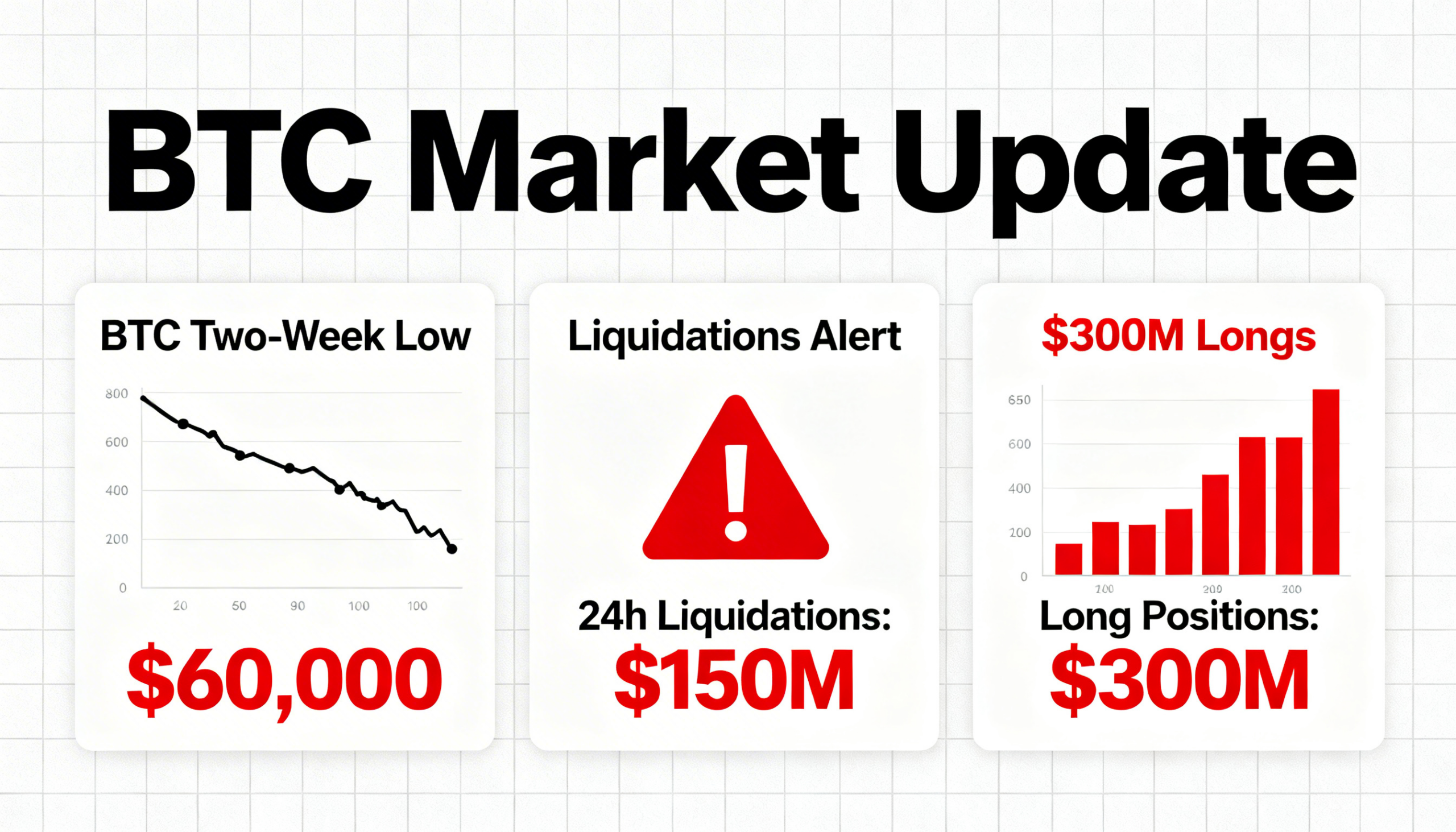
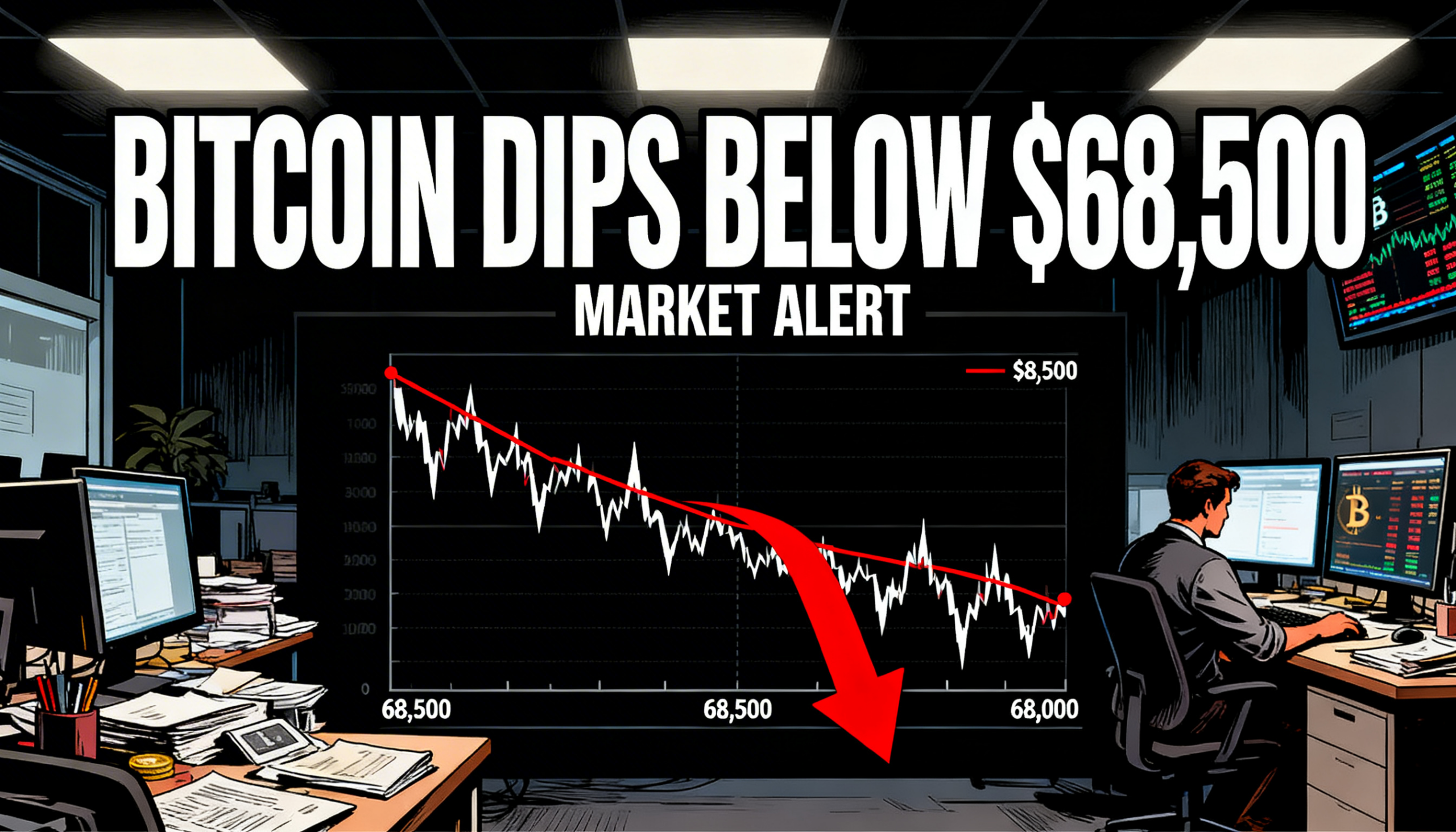
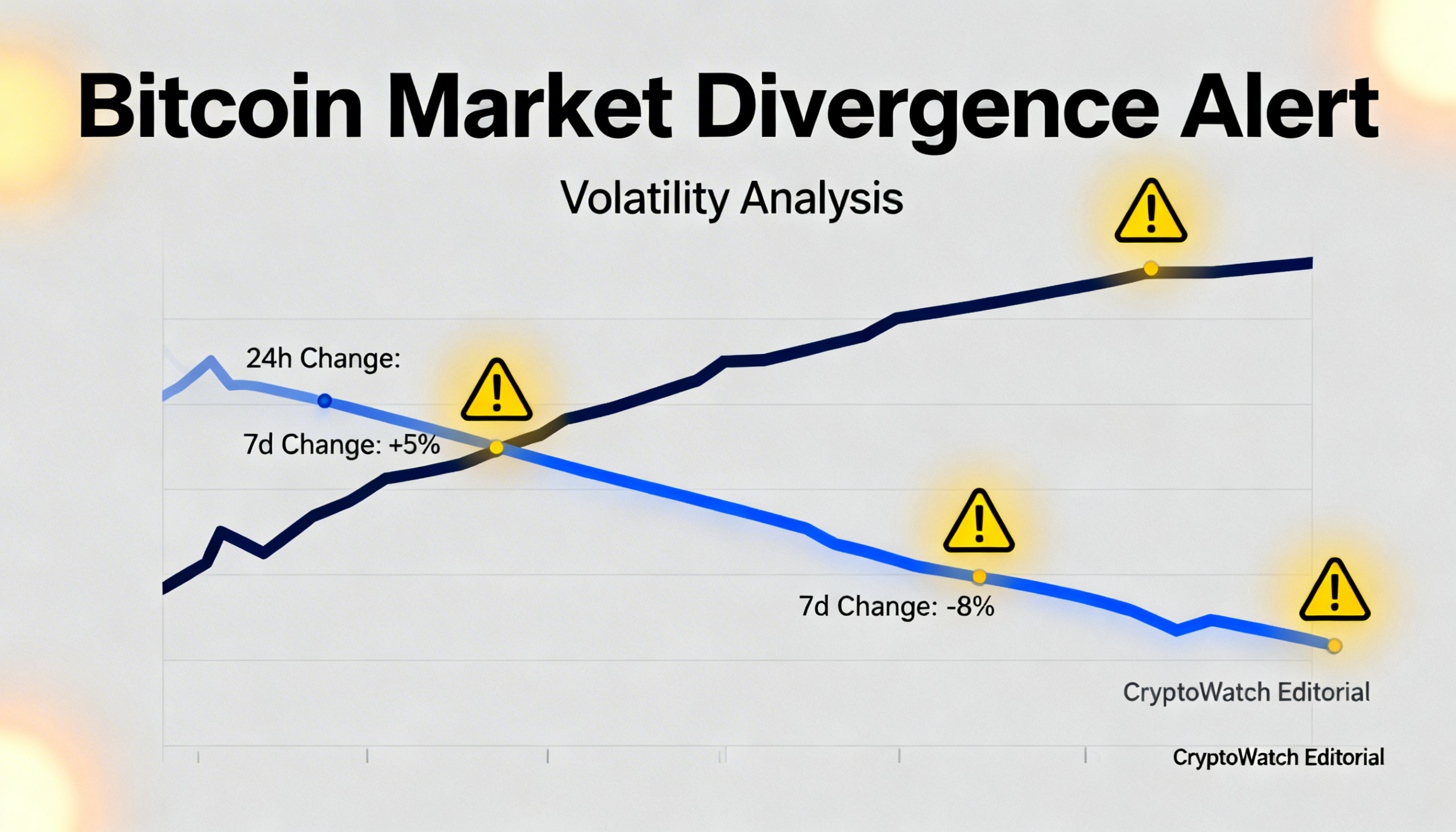
At the time of writing, bitcoin was trading near $68,500, down about 2% over the past 24 hours. Meanwhile, WTI crude has rebounded to roughly $93.50 after briefly falling below $84 earlier in the week, and Brent crude has climbed back above $100 per barre