cpeditor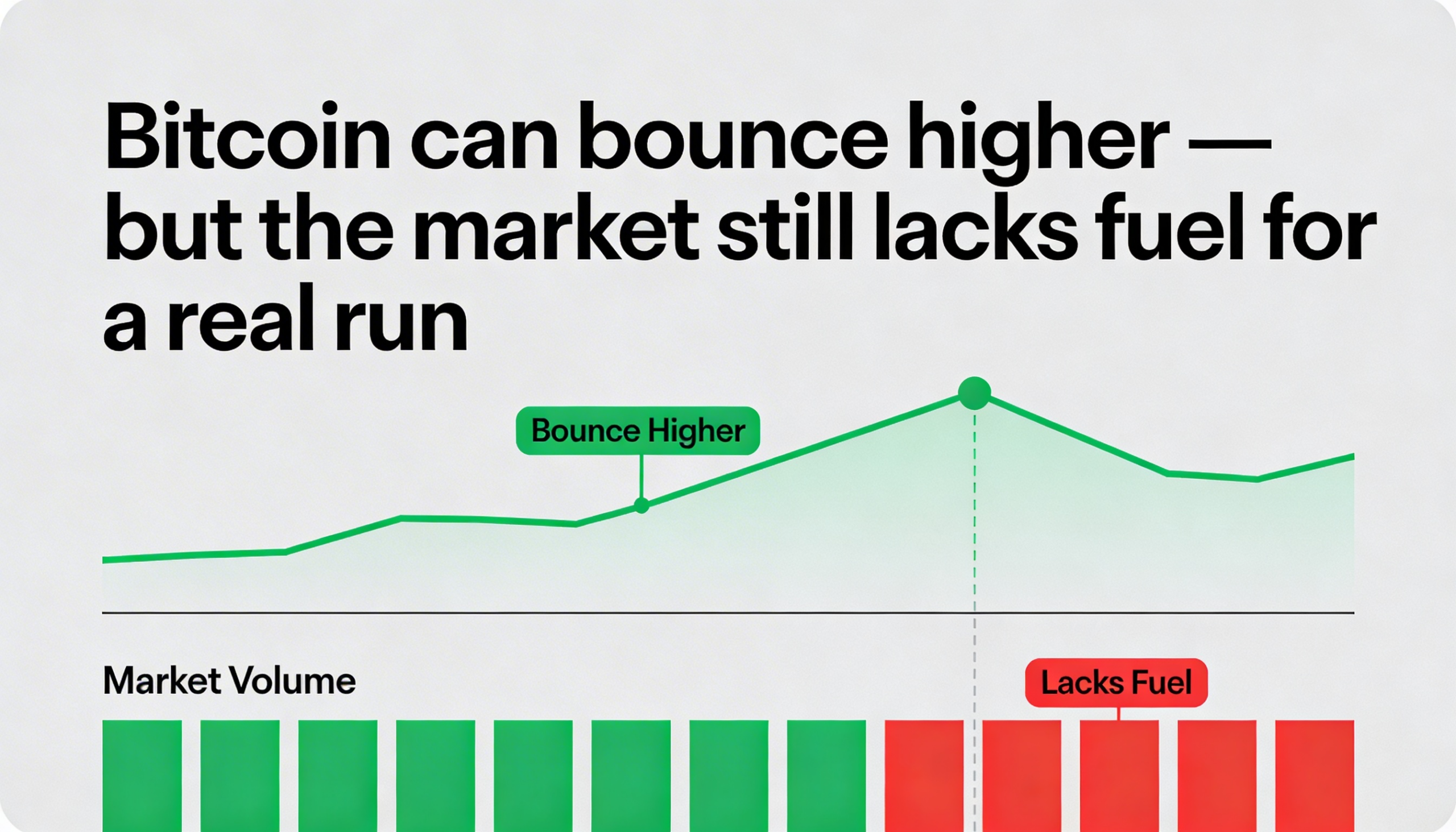
Bitcoin continues to post sharp but brief rebounds, with upside attempts repeatedly stalling as the U.S. dollar firms, Federal Reserve rhetoric stays cautious and sellers use strength to lighten exposure.
The broader macro picture has improved slightly. Recent cooling in headline inflation has strengthened expectations for several rate cuts this year, reviving the argument that easier monetary policy could eventually support liquidity and risk assets, including crypto.
However, the Fed does not appear ready to move aggressively. Policymakers have signaled a gradual and data-dependent path, suggesting any liquidity tailwind will build slowly. In such an environment, bitcoin can rally on positioning squeezes or short-term optimism, but sustaining those moves becomes more challenging.
Analysts at Bitfinex say the market is behaving in waves rather than clean breakouts. Tactical upside bursts are possible when traders become overly defensive, but a durable structural advance would likely require clearer evidence of sustained disinflation and consistent spot buying.
Recent price action captures that dynamic. Bitcoin pushed toward $68,500 overnight before reversing during U.S. trading and slipping below $66,000 as the dollar strengthened and hawkish Fed minutes weighed on sentiment. The swift intraday fade underscored how fragile rallies remain, with participants quick to reduce risk when macro conditions turn less supportive.
Alex Kuptsikevich, chief market analyst at FxPro, noted that bitcoin’s growing sensitivity to dollar movements could amplify volatility if investors view the greenback’s strength as a sustained trend.
He also highlighted a divergence with equities. Major stock indices have attracted dip-buyers near key moving averages — the 50-day for the Dow Jones and Russell 2000, and the 200-day for the Nasdaq 100 — while bitcoin remains well below its own 50- and 200-day averages, reflecting weaker technical footing.
Sentiment remains fragile. A closely watched crypto fear gauge has registered single-digit readings on nine of the past fourteen days, levels typically associated with late-cycle stress. Meanwhile, data from Glassnode show stablecoin outflows from major exchanges and signs of strain among long-term holders, echoing patterns seen during the latter stages of the 2022 bear market.
For now, bitcoin is caught between marginally improving macro signals and persistent supply pressure. Short-term rebounds remain feasible, especially when positioning leans too bearish. But a sustained rally will likely require firmer evidence of disinflation, a softer dollar and steady spot demand. Until then, advances may continue to prove temporary.