cpeditor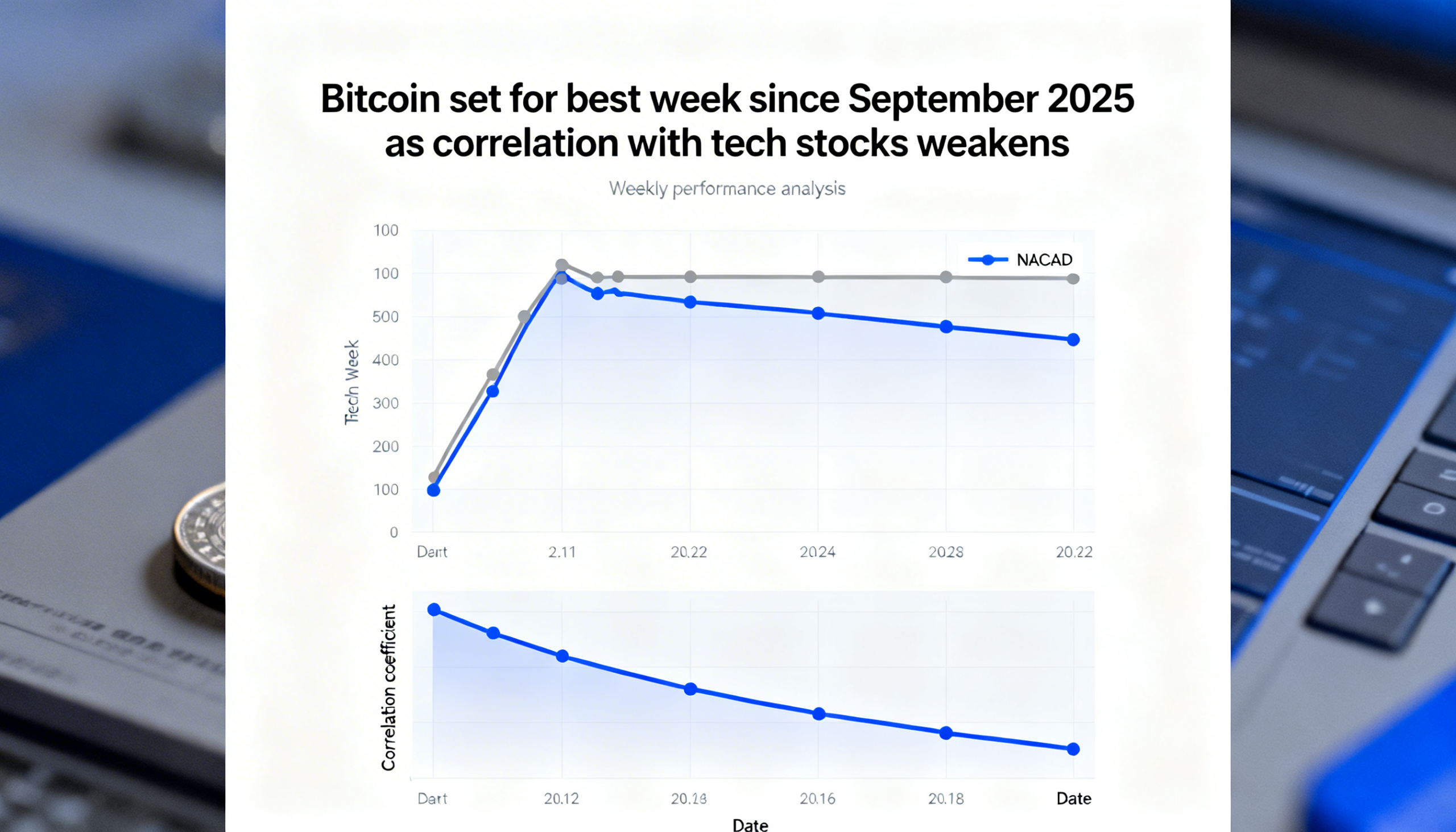
Bitcoin is on course to post its strongest weekly performance since September 2025, gaining about 8.5% over the past seven days while trading above the $71,000 mark. The move comes as bitcoin begins to drift away from traditional market trends while institutional interest gradually returns.
Over the past week, bitcoin’s price action has started to separate from other major assets. Using iShares Bitcoin Trust as a short-term proxy, the ETF has advanced roughly 3.5% over the past five days and approached a one-month high by the end of the week.
Meanwhile, several traditional assets have moved lower. The iShares Expanded Tech Software ETF, Gold and U.S. stock markets have all trended downward as the week progressed. The divergence indicates that bitcoin’s close relationship with technology and software stocks may be weakening, at least temporarily.
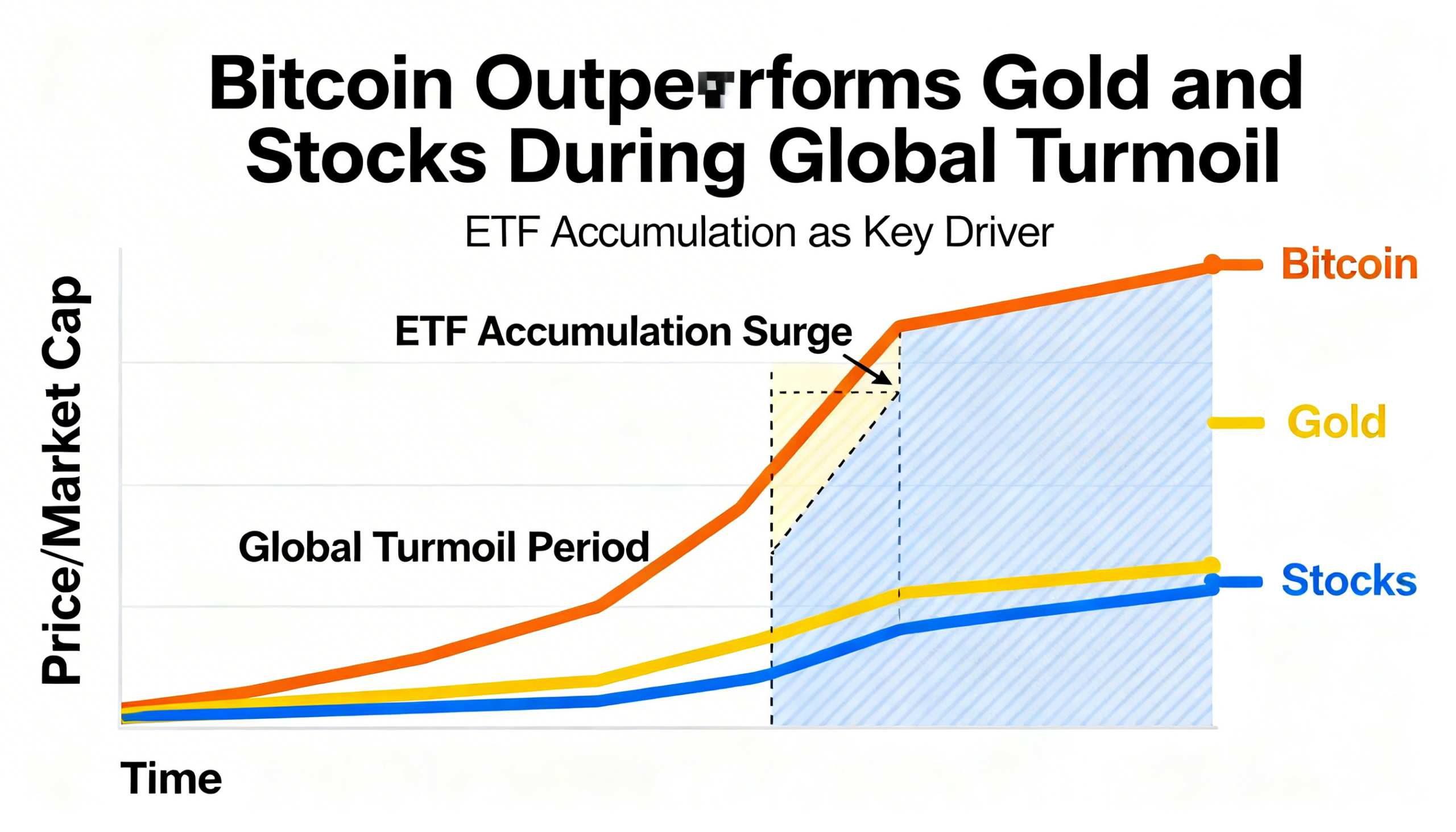
The shift has become clearer since tensions in the Middle East escalated roughly two weeks ago. During that period, bitcoin has climbed about 13%, outperforming both traditional risk assets and classic safe havens. Over the same timeframe, IGV has risen around 3%, while gold has dropped roughly 6% and U.S. equities have also recorded losses.
On a monthly basis, bitcoin is currently up around 7% in March. If the gains hold, it would mark the cryptocurrency’s first positive month since September. The rebound follows a difficult period in which bitcoin posted five consecutive monthly declines and at one point dropped nearly 50% from its October all-time high.
Recent buying activity appears to be driven largely by U.S. investors. Institutional demand from the region is gradually returning, with U.S. spot bitcoin ETFs recording approximately $1.3 billion in net inflows so far this month. That pace would mark the first month of positive flows for the products since October.
Despite the improving price performance, overall market sentiment remains cautious.
The crypto Fear and Greed Index continues to sit in “extreme fear,” signaling that many investors remain wary of the market’s outlook. At the same time, funding rates in perpetual futures markets remain negative. These rates are periodic payments exchanged between traders to keep futures prices aligned with spot markets. Negative funding means short sellers are paying long positions, suggesting bearish positioning still dominates and traders are willing to pay to maintain short exposure.
While this does not necessarily signal a clear bullish shift, it does suggest that bitcoin is no longer being priced purely as a high-risk asset.
Instead, the cryptocurrency may increasingly act as a real-time indicator for broader market sentiment. Because bitcoin trades around the clock, it often responds to geopolitical or macroeconomic developments before traditional markets open.
The escalation in the Middle East conflict illustrated this dynamic. Bitcoin reacted immediately when the war began, while other asset classes adjusted only once their markets reopened. In recent sessions, those markets appear to be catching up to earlier moves, while bitcoin itself has largely stabilized.