cpeditor
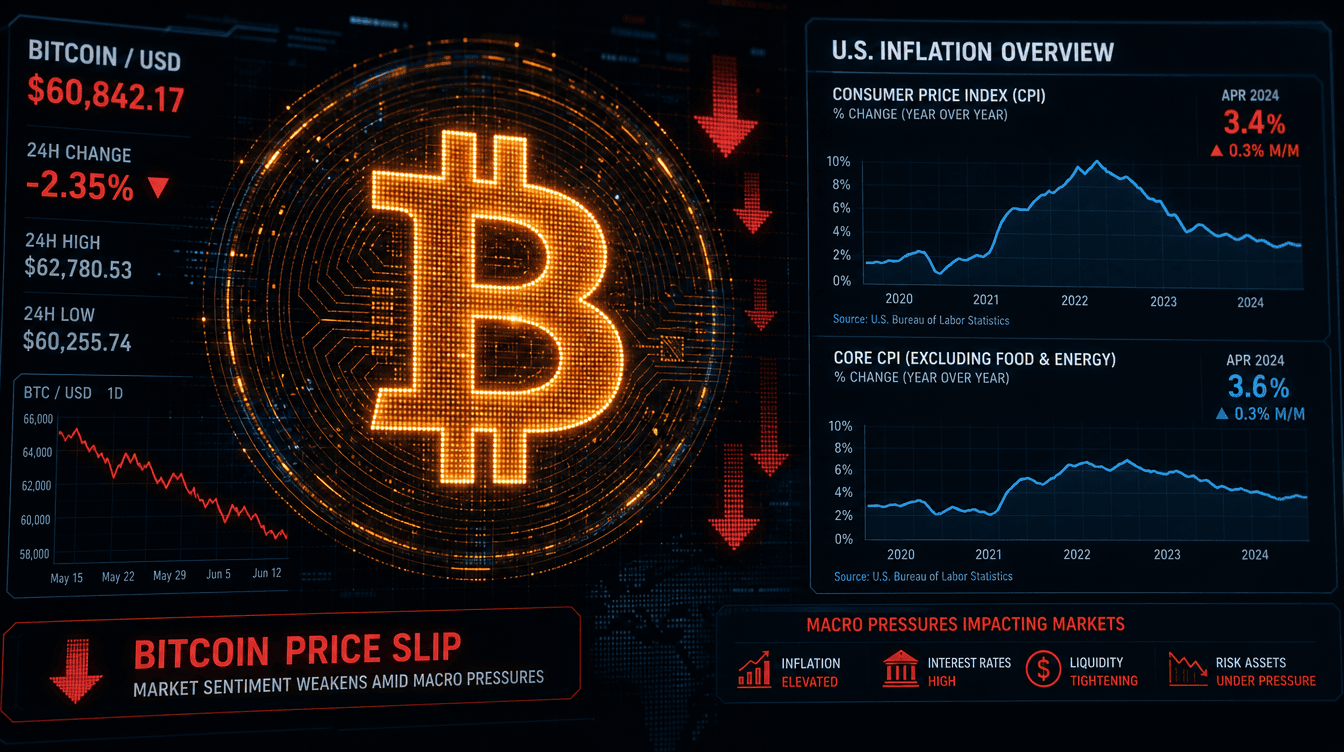
Bitcoin remained largely unchanged even after Strategy made a new purchase, as investors stayed cautious ahead of upcoming U.S. inflation data and the Federal Reserve meeting next week.
The recent recovery in Bitcoin stalled on Tuesday, despite Strategy (MSTR) increasing its holdings after previously selling a small amount at the end of May.
BTC was trading near $62,600, showing little change from Monday’s levels. This followed a 4% bounce on Sunday that briefly pushed prices above $64,000 on some platforms, including Coinbase.
Strategy—the largest publicly listed Bitcoin holder—reported on Monday that it had acquired 1,550 BTC worth $101 million, bringing its total holdings to 845,256 BTC. Although this purchase is nearly 48 times larger than the 32 BTC it sold in late May, it did not influence market prices.
Bitcoin’s muted performance also weighed on broader crypto sentiment. The CoinDesk DeFi Select Index declined 1.8% over 24 hours, while the CoinDesk 80 Index slipped 1.3%.
Market sentiment remains cautious, with investors hesitant to take on additional risk.
According to Daniel Reis-Faria, CEO of ZeroStack, Bitcoin’s recent bounce shows buyers are still active on dips, but conviction is weaker than earlier in the year.
He noted that while Strategy’s activity draws attention, macroeconomic factors are driving market direction. Investors are focused on inflation data and interest rate expectations ahead of the upcoming FOMC meeting, as these will shape risk appetite across asset classes, including crypto.
Derivatives market activity
Crypto futures volume fell 1.3% to $190.7 billion in the past 24 hours, while open interest stayed steady near $103 billion. Liquidations dropped sharply by 48% to $301 million, suggesting excessive leverage has already been flushed out of the system.
Zcash emerged as a standout in derivatives trading. Open interest increased about 5% to 2.47 million tokens, its highest level since late May, as prices rebounded from below $300 to around $472.
Its 24-hour cumulative volume delta turned positive, indicating aggressive buying via market orders. However, deeply negative funding rates near -45% show that short positions still dominate, increasing the risk of a short squeeze if prices continue rising.
Open interest in Worldcoin remains near record levels, signaling heavy positioning and heightened volatility risk. Meanwhile, Bitcoin and Ether open interest remain stable compared with earlier in the week.
Across major cryptocurrencies, negative cumulative volume delta readings suggest sellers continue to dominate overall price action.
Volatility indicators such as BVIV and EVIV continue to decline from recent highs, signaling easing panic. However, elevated short-term implied volatility suggests traders are bracing for Wednesday’s U.S. CPI release.
On Deribit, the $60,000 put option remains one of the most actively traded strikes, with options markets still skewed toward downside protection. BTC puts continue to trade at a premium over calls, reflecting persistent concerns about further downside risk.
Token market developments
Humanity Protocol’s H token plunged more than 80% after attackers stole private keys from a member of the project’s foundation, draining over $32 million across multiple wallets. Losses are still unfolding.
The token dropped from about $0.67 to around $0.13, briefly hitting $0.05 at its lowest point, marking an intraday collapse of roughly 90%.
The attacker continues to sell stolen tokens for Ether and has also minted an additional 100 million H on BNB Chain, worth roughly $11 million, increasing the risk of further downside pressure.
Humanity Protocol, which focuses on palm-scanning identity verification and competes with Worldcoin, has advised users to avoid interacting with its bridge and liquidity pools while investigations continue.
The incident reflects a broader 2026 trend of attackers targeting private keys rather than smart contract vulnerabilities. Similar cases include Drift Protocol losing around $285 million after an admin key breach and Kelp DAO suffering approximately $292 million in losses via a validator bridge compromise.
Sahara AI’s SAHARA token also saw heavy losses, falling about 60% to roughly $0.016, close to its record low of $0.01355. Trading volume surged to around $215 million against a market cap of about $49 million, signaling forced selling and capitulation.
Unlike Humanity Protocol, Sahara AI said its contracts and systems were not compromised. It attributed the drop to a scheduled transfer of 600 million tokens through its Chainlink cross-chain bridge and stated that team and investor allocations remain secure.
SAHARA is now down roughly 75% since launching in June 2025.