cpeditor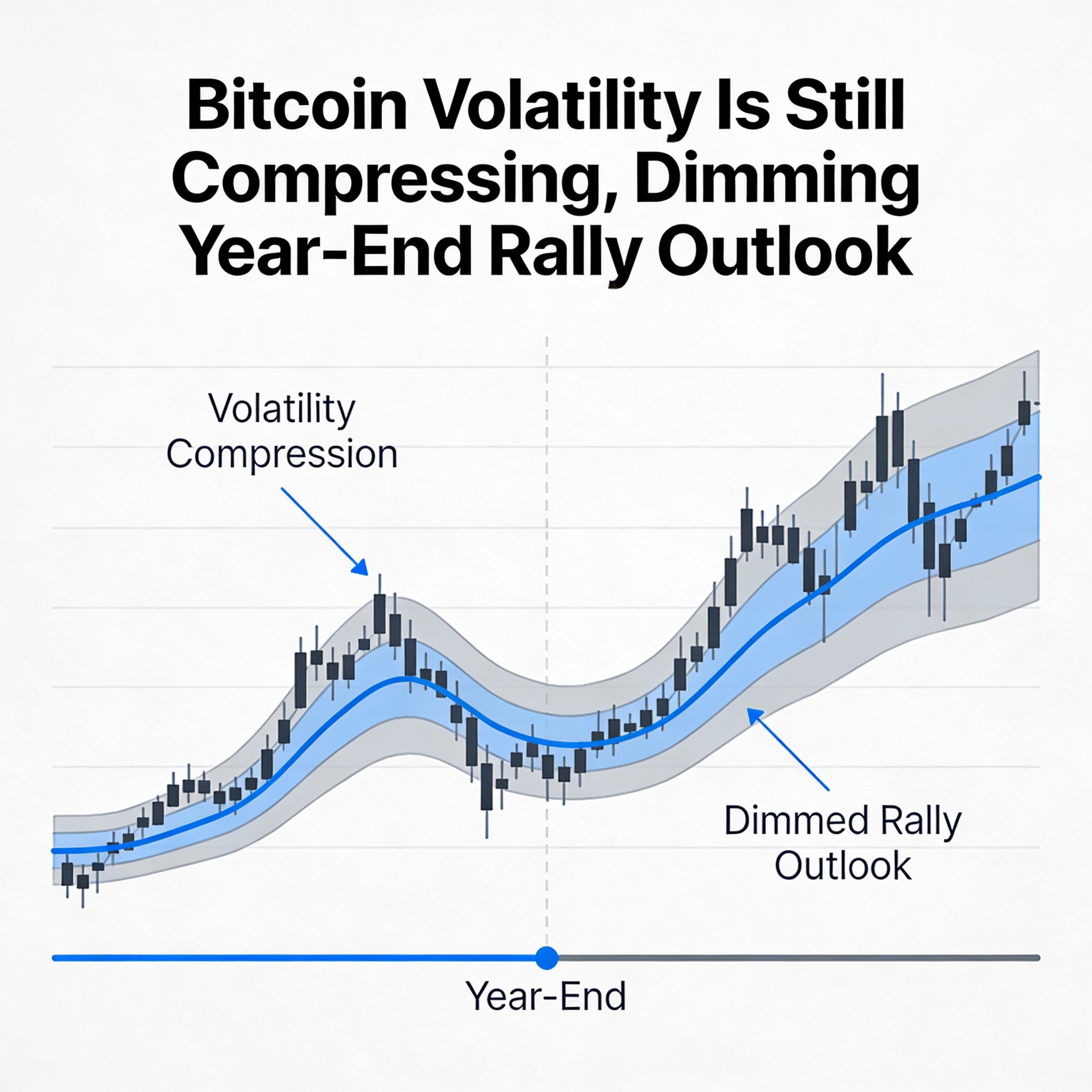
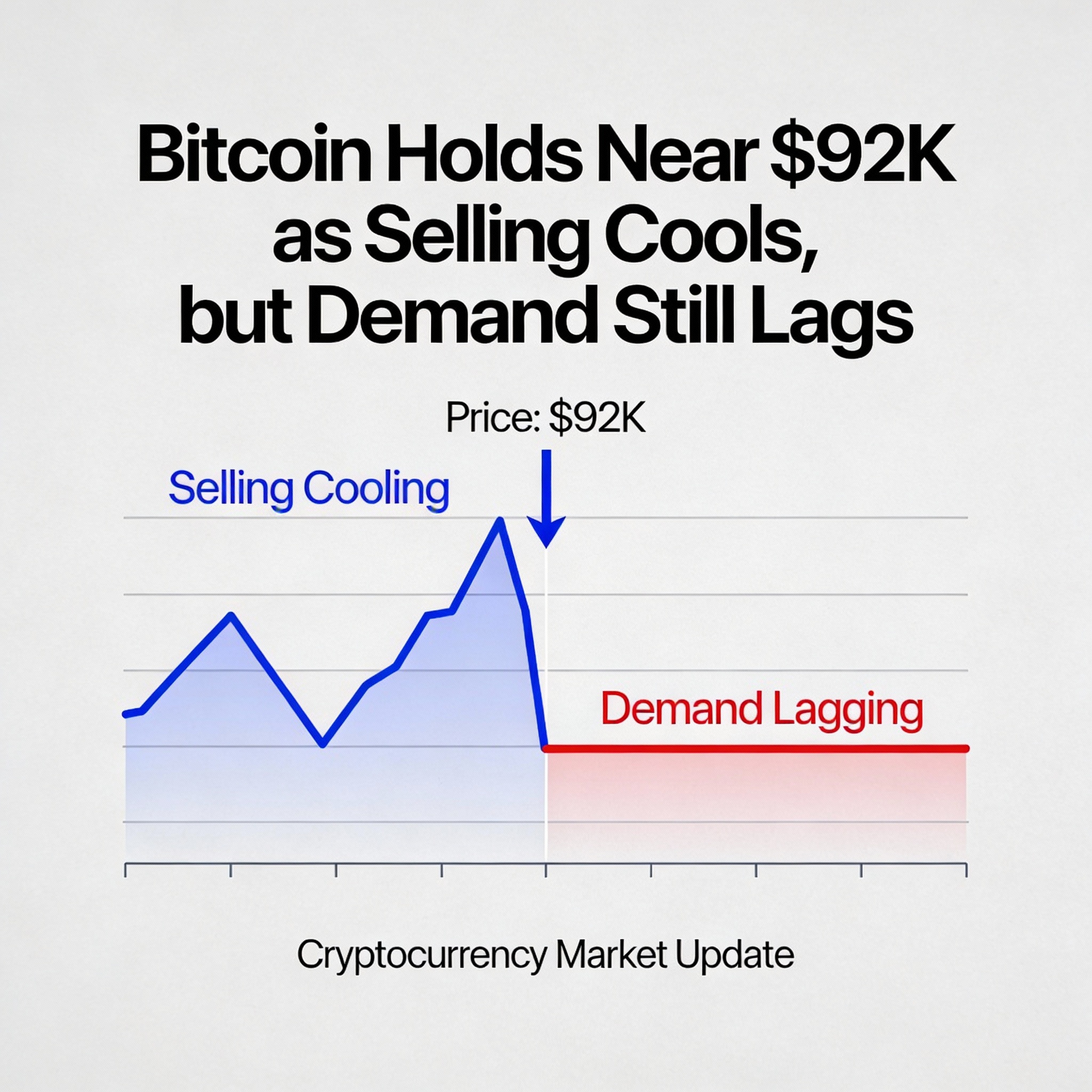
Bitcoin’s volatility continues to decline, following a pattern similar to the S&P 500, raising doubts about a potential year-end rally, analysts say.
BTC’s 30-day annualized implied volatility, measured by Volmex’s BVIV index, has fallen to 49%, nearly reversing a spike from 46% to 65% over the 10 days through Nov. 21, according to TradingView data. Implied volatility, derived from options pricing, reflects the market’s expectations for price swings over a set period. The drop indicates that anticipated price fluctuations over the next month have narrowed significantly.
The VIX index, which tracks 30-day implied volatility in the S&P 500, has also retreated, falling from 28% on Nov. 20 to 17%.
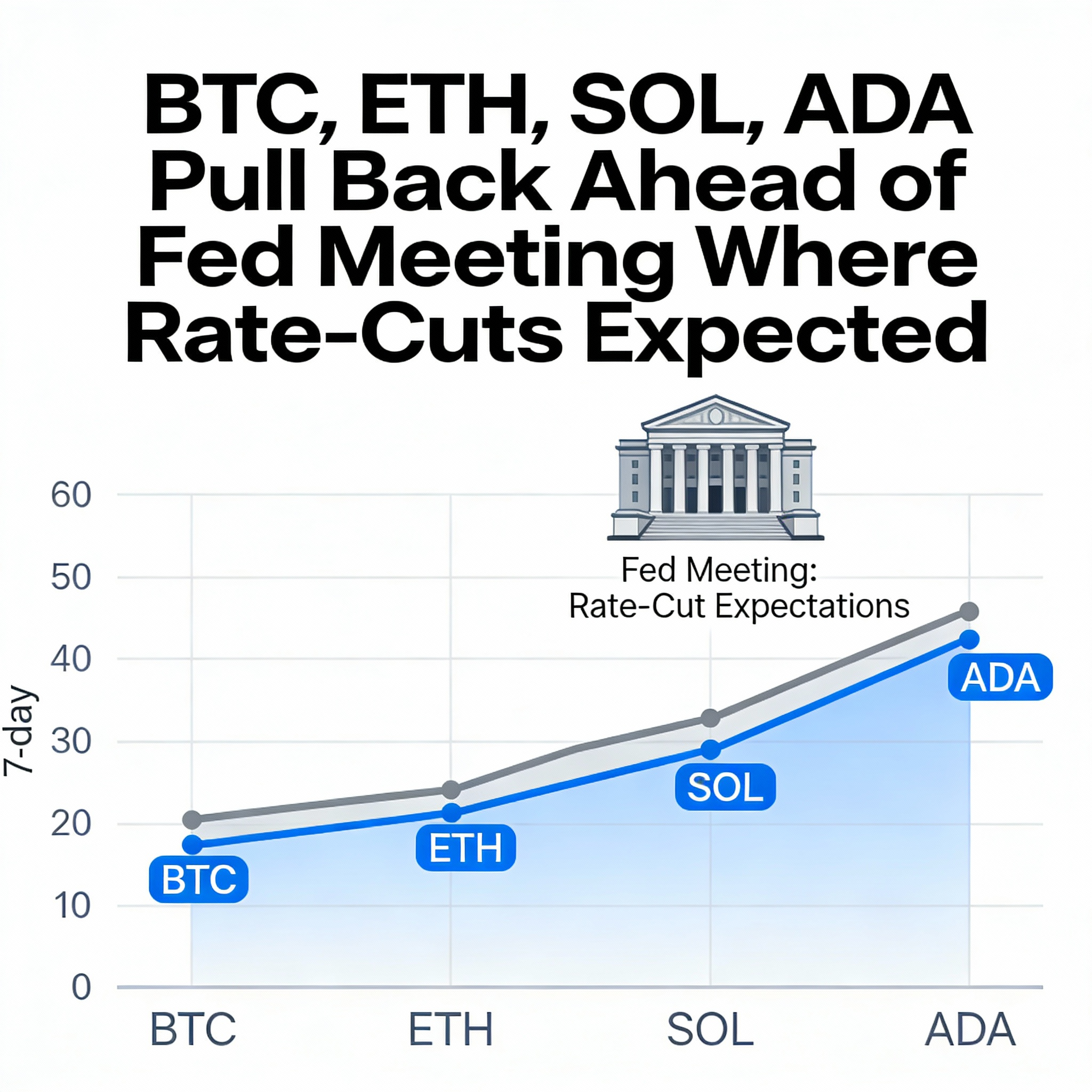
Matrixport noted that this so-called “volatility compression” lowers the odds of a year-end bitcoin rally. “Implied volatility continues to compress, and with it, the probability of a meaningful upside breakout into year-end,” the firm said in a market update Wednesday. “Today’s FOMC meeting represents the final major catalyst, but once it passes, volatility is likely to drift lower into the year-end.”
Historically, bitcoin’s price has shown a positive correlation with volatility, though this relationship has shifted toward negative since November 2024. On Wall Street, periods of compressed implied volatility are often viewed as a precursor to a bullish reset in market sentiment, highlighting the nuanced dynamics at play for bitcoin ahead of year-end.