cpeditor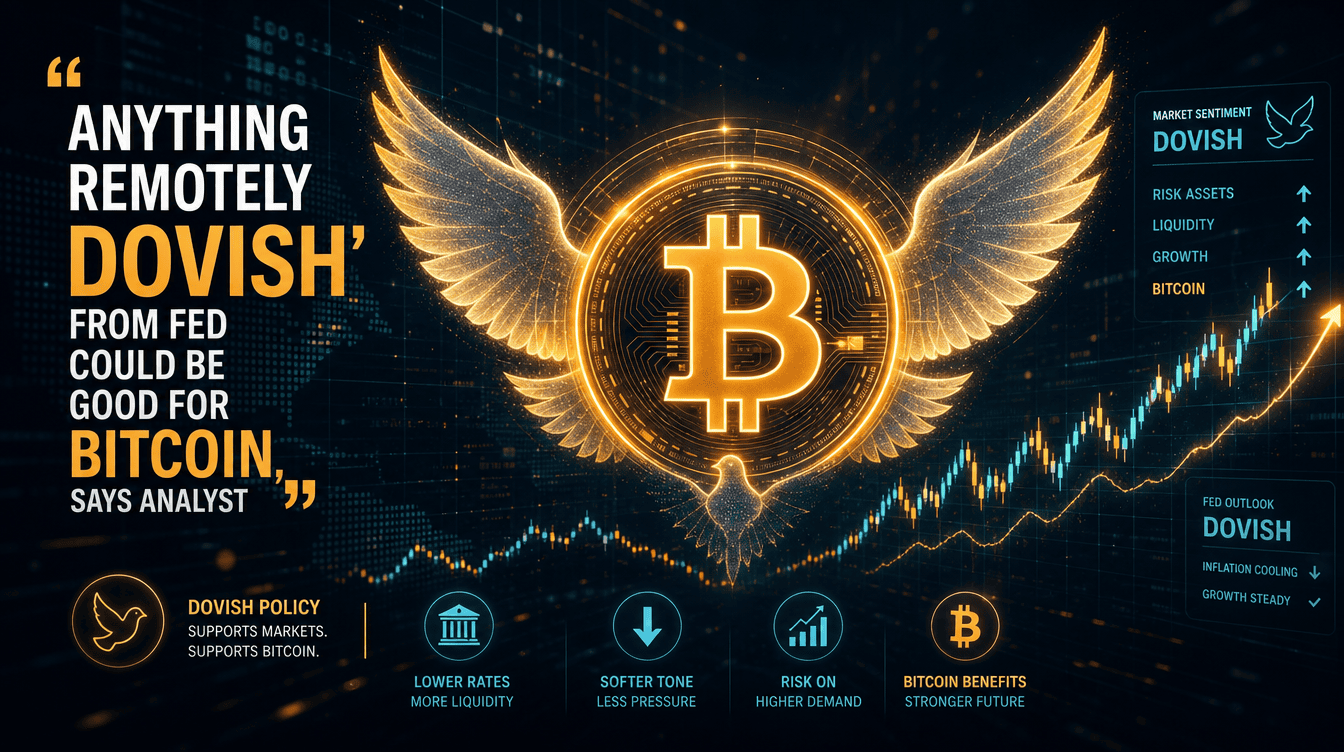
Investors are divided over whether the Federal Reserve will raise interest rates or maintain current levels at Wednesday’s meeting, but analysts suggest Bitcoin may have more downside protection than AI-related technology stocks.
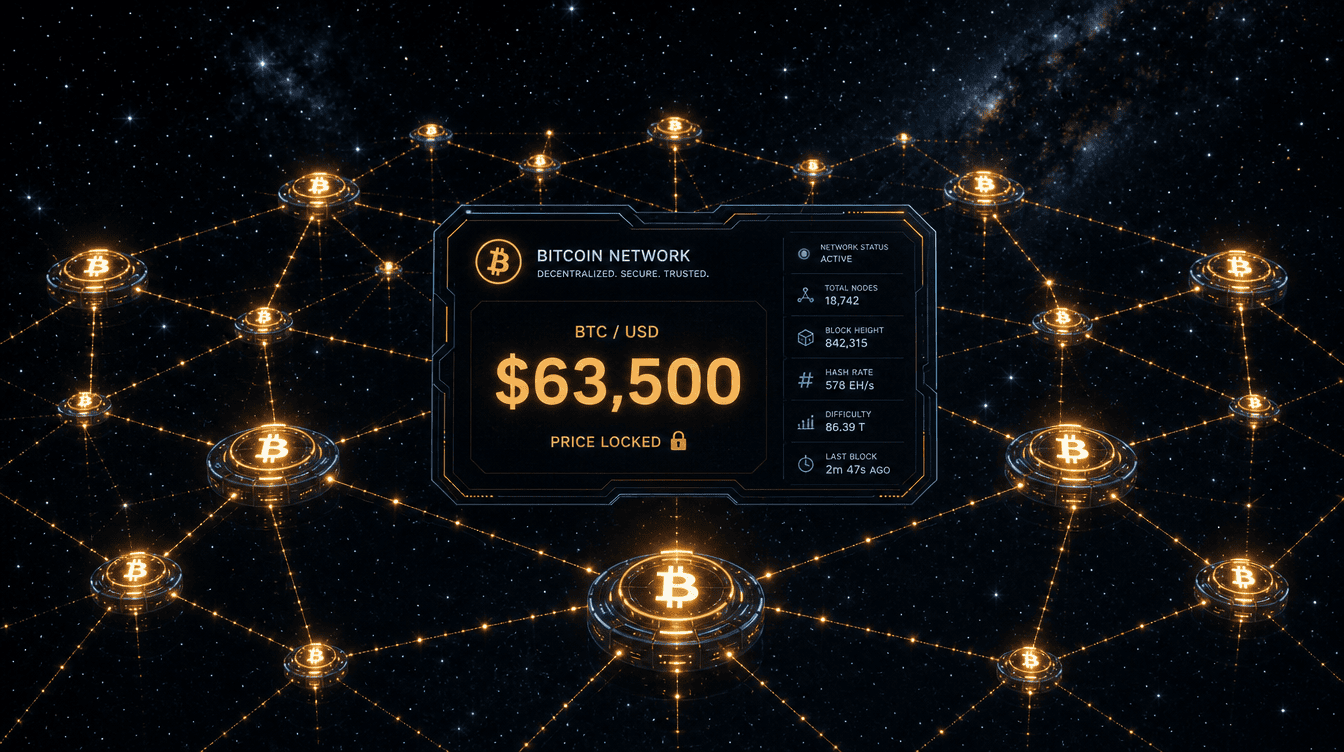
Bitcoin bounced back from earlier declines on Tuesday and traded mostly unchanged near $64,000, while artificial intelligence-linked stocks faced renewed weakness ahead of one of the most uncertain Fed decisions in recent years.
CME FedWatch data shows traders are currently pricing in a 70% probability that the Fed leaves rates unchanged and a 30% possibility of a surprise 25-basis-point hike. According to derivatives analytics firm Block Scholes, the uncertainty stems from Fed Chair Kevin Warsh’s reduced reliance on forward guidance, leaving investors with limited visibility into the central bank’s next move.
“Tomorrow’s FOMC meeting, Kevin Warsh’s second as Fed chair, is one of the most uncertain in years,” said Thahbib Rahman, research analyst at Block Scholes. He noted that only two Fed meetings since 2015 have seen markets show greater disagreement over the likely outcome.
Bitcoin Shows Signs of Breaking Away From Traditional Risk Trades
Despite the uncertainty surrounding monetary policy, Bitcoin has held relatively firm throughout July, while semiconductor companies and other AI-focused stocks have faced heavier selling pressure. The trend suggests crypto may be beginning to move independently from traditional risk assets, at least to some extent.
“With the Nasdaq entering July after strong momentum and increasingly stretched positioning, while BTC continues to consolidate near multi-year lows, weaker correlations are to be expected,” Vetle Lunde, head of research at K33 Research, wrote in a Tuesday report.
Lunde said this shift could reduce the impact of the upcoming FOMC decision on Bitcoin compared with earlier periods when policy uncertainty had a stronger influence on markets.
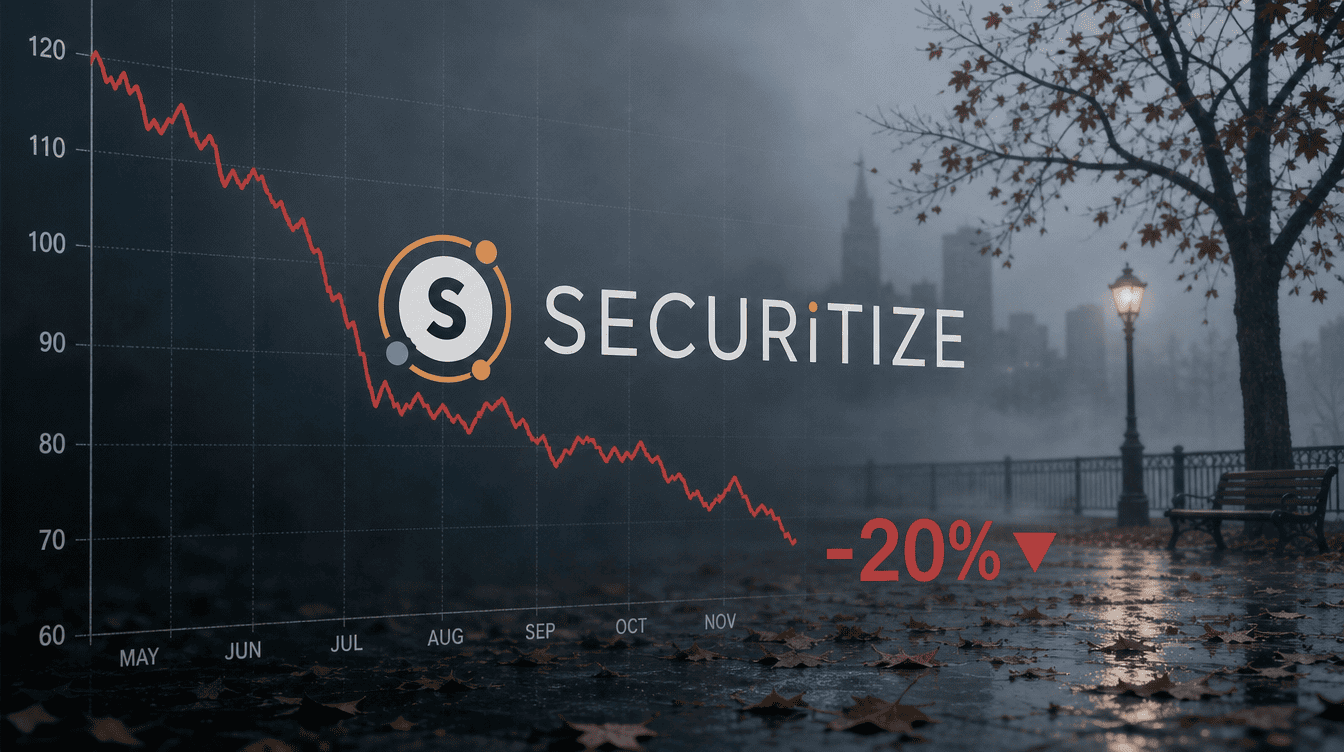
The gap between Bitcoin and equities has widened this month, Block Scholes noted. Bitcoin has gained roughly 6% in July, while the S&P 500 has remained largely flat and semiconductor stocks have fallen nearly 20%.
Rahman said market expectations have changed repeatedly over the past month as softer inflation data competed with renewed geopolitical concerns, higher oil prices, and tariff-related risks.
Despite those headwinds, crypto sentiment has continued to strengthen, he said.
Rahman suggested that even a mildly dovish message from Fed Chair Warsh could allow Bitcoin’s recent outperformance to continue.