cpeditor
Bitcoin’s recent slide back toward $60,000 has highlighted a familiar pattern: the cryptocurrency continues to behave more like a high-growth technology asset than a traditional safe haven, according to Grayscale.
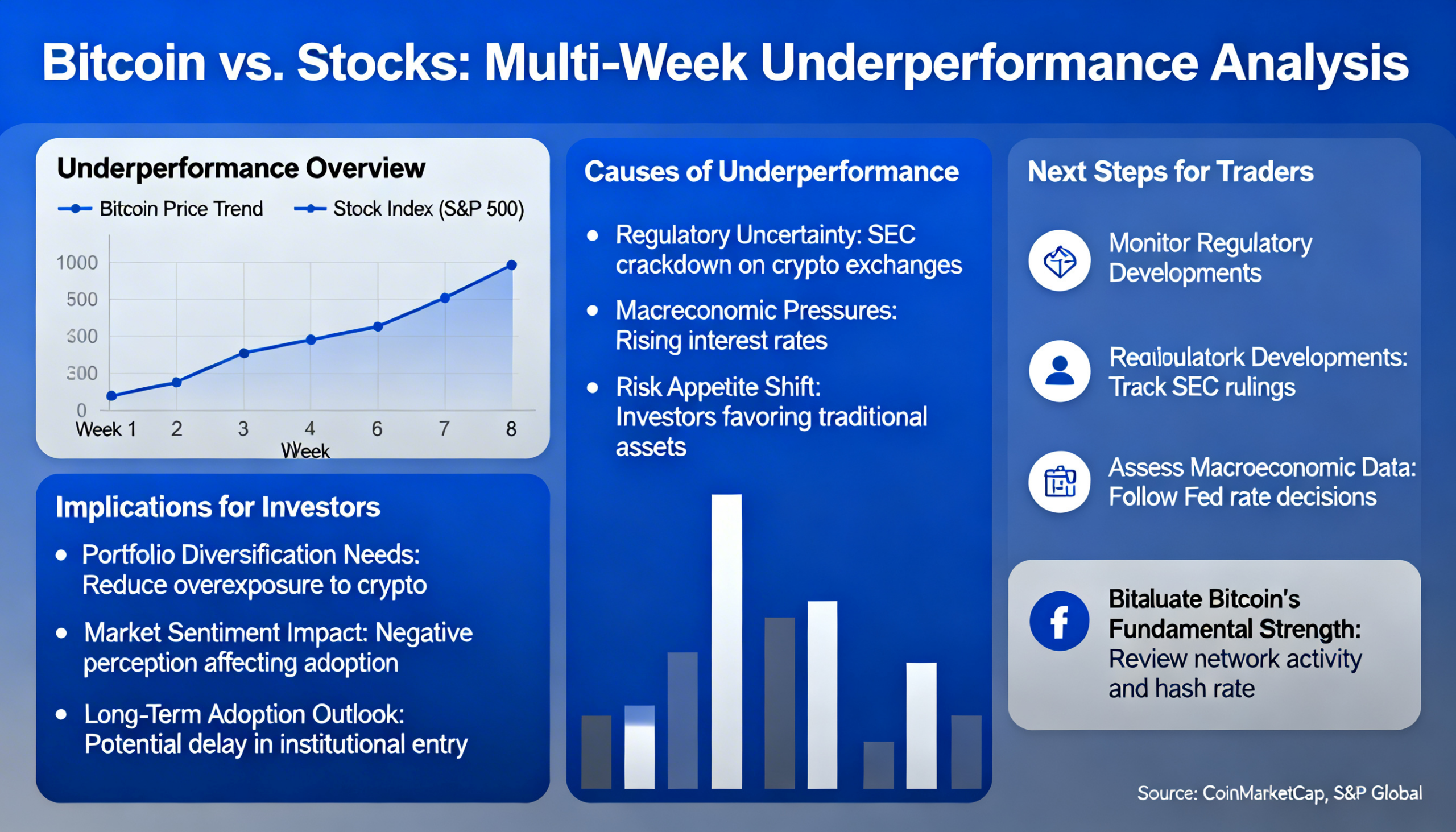
In a new research note, the digital asset manager said bitcoin’s pullback aligned closely with weakness in growth-oriented equities, particularly in the software sector. The parallel suggests that, at least for now, investors are treating bitcoin as part of the broader risk-asset complex rather than as “digital gold.”
Grayscale acknowledged that bitcoin’s long-term investment case is rooted in its fixed supply, decentralized architecture and independence from sovereign monetary systems. Those characteristics underpin its store-of-value narrative. However, the firm stressed that bitcoin’s relatively short lifespan — just over 17 years — means it has yet to establish the deep historical credibility that supports gold’s haven status.
Zach Pandl, Grayscale’s head of research, said bitcoin can still be viewed as a potential long-term store of value if network security and adoption continue to strengthen. In the near term, though, price movements are being driven largely by shifts in macro sentiment and investor appetite for risk.
As markets rotated out of growth assets, bitcoin fell in tandem. Gold, by contrast, has surged to record highs, attracting inflows while bitcoin investment products saw capital exit. The divergence has reinforced the idea that scarcity alone does not guarantee safe-haven behavior during periods of financial stress.
Fund flow data underscores that trend. U.S.-listed spot bitcoin exchange-traded funds have recorded persistent outflows in recent weeks, with hundreds of millions of dollars withdrawn amid volatility. At the same time, derivatives markets have seen deleveraging, signaling a broader risk reduction rather than a fundamental loss of confidence in the bitcoin network itself.
Grayscale argued that buying bitcoin today is largely an adoption-driven thesis. Until the asset matures into a more widely accepted global monetary standard, its performance is likely to remain closely linked to equity market dynamics.
Looking ahead, the firm sees potential catalysts for renewed strength. Regulatory clarity around stablecoins and tokenized assets could accelerate institutional participation, while ongoing development across major blockchain ecosystems — including Ethereum and Solana — may expand use cases and infrastructure demand. Platforms such as Chainlink could benefit from that broader growth cycle.
For bitcoin to evolve into a more stable store of value, Grayscale said continued technical progress will be critical. Addressing issues such as scalability, transaction costs and emerging technological risks — including advances in quantum computing — will shape its long-term resilience.
If adoption deepens and volatility gradually declines, the firm believes bitcoin’s correlation with equities could weaken over time, bringing it closer to the digital gold narrative that many investors envision. Until then, it remains, in practice, a tech trade.