cpeditor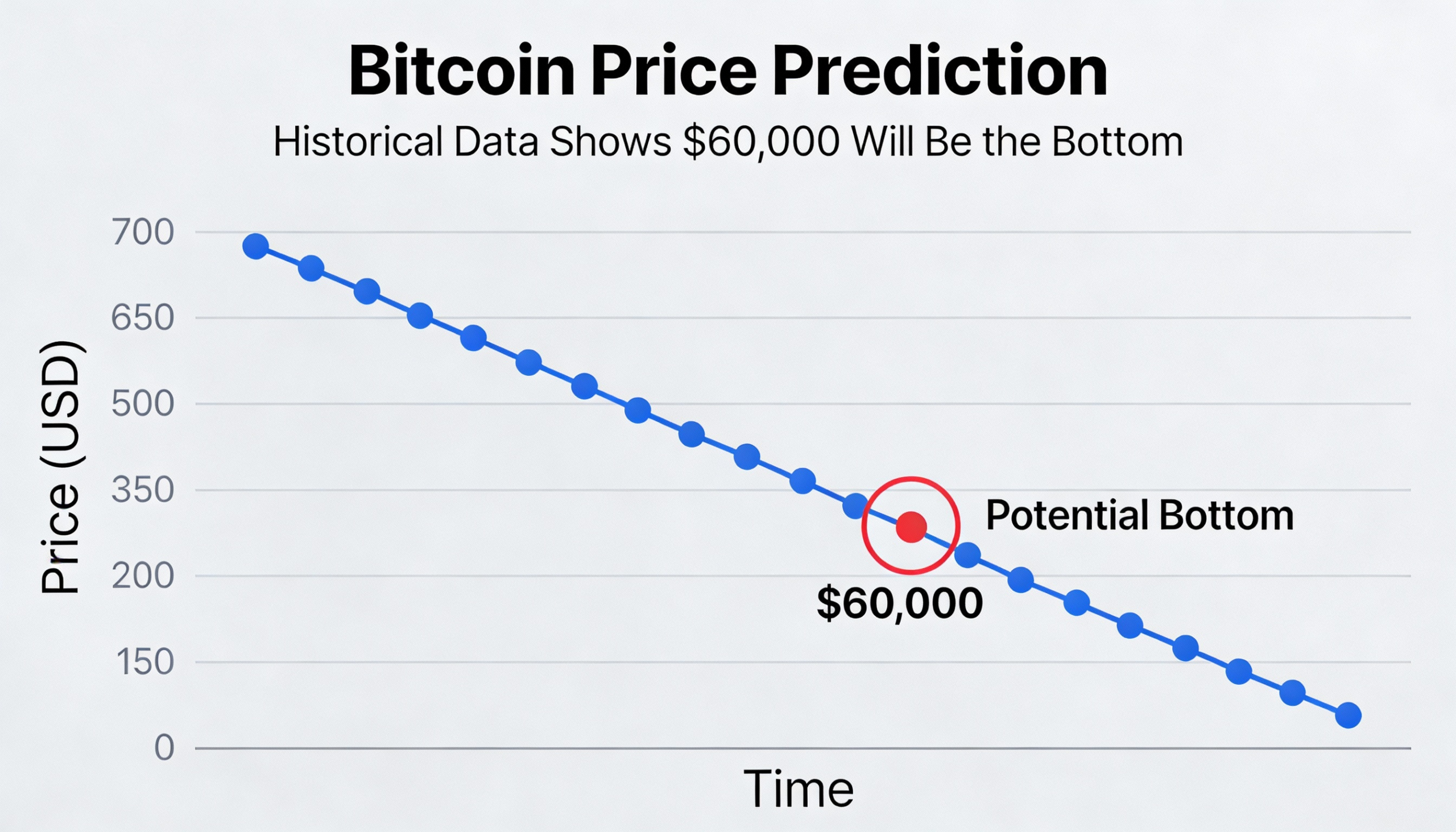
Bitcoin’s sharp pullback has intensified concerns that the market may face additional downside, with long-term historical signals pointing to the 200-week moving average as a key level to watch.
The cryptocurrency fell 11% last week to roughly $74,800, its steepest weekly decline since March 2025. While the drop has already unsettled investors, technical indicators suggest the correction may not yet have run its course. A move toward $58,000—about 25% below current prices—would align bitcoin with its 200-week moving average, a level that has consistently acted as support during past bear markets.
Muted buying interest following the selloff has added to fears of a prolonged downturn. Historically, major market bottoms in bitcoin have tended to form gradually, often after extended periods of weakness rather than abrupt declines.
The 200-week moving average, which represents bitcoin’s average closing price over nearly four years, is widely viewed as a long-term trend gauge and a cornerstone of the asset’s four-year market cycle. In every previous cycle, the indicator has either marked or closely coincided with significant market lows. The level currently sits just below $58,000.
Bitcoin has typically reached cycle peaks in the fourth quarter of the final year of each four-year cycle. In the current cycle, it hit an all-time high of $126,000 in October and has since fallen by around 40%. The recent slide also pushed bitcoin below the Ichimoku Cloud on the weekly chart, a technical indicator used to assess momentum, trend direction, and support.
Trading above the Ichimoku Cloud generally signals a strong bullish trend, while sustained moves below it point to weakening momentum and increased exposure to further losses. Bitcoin’s break below the cloud represents a bearish shift that has historically coincided with the onset of the deepest phases of prior bear markets.
Price action also appears to be broadly tracking the four-year cycle framework tied to bitcoin’s halving schedule. The halving, which reduces new supply by 50% approximately every four years, has historically contributed to the asset’s recurring boom-and-bust pattern.
During the 2015 bear market, bitcoin repeatedly found support near the 200-week moving average at prices slightly above $200. In the 2018–2019 downturn, the indicator—then around $3,000—again served as a floor, aside from a brief breakdown during the Covid-driven market shock in March 2020.
In the most recent cycle, bitcoin fell below the 200-week moving average in June 2022, trading below $22,000 and remaining under the level for more than a year. The price did not reclaim the line until October 2023, reinforcing its role as a key long-term support threshold.
While history offers no guarantees, bitcoin’s move below the Ichimoku Cloud and its distance from the 200-week moving average suggest further downside may be possible before a durable bottom forms—likely near a level that has repeatedly provided support across past cycles.