cpeditor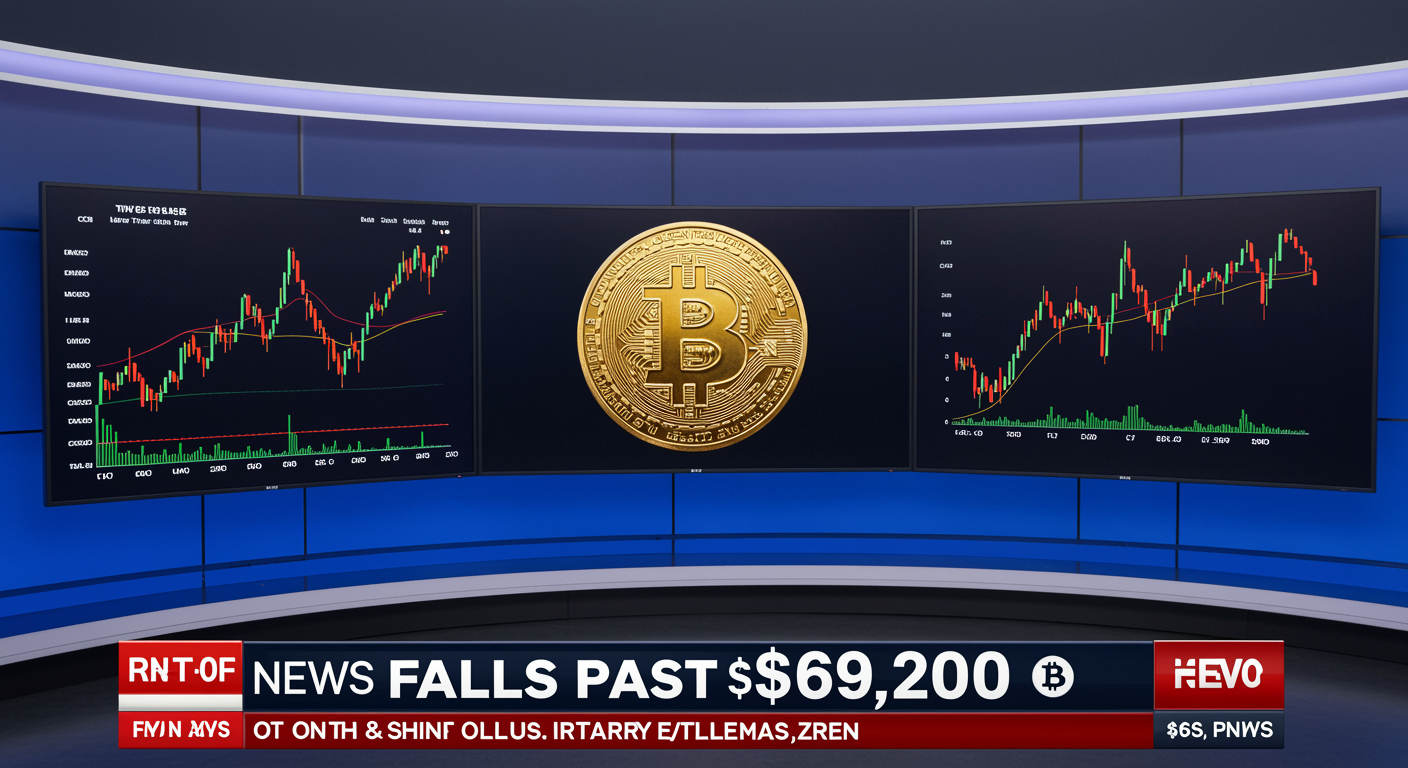
Bitcoin’s recent rally unraveled over the weekend as rising geopolitical tensions sparked a sharp pullback and triggered widespread liquidations across the crypto market.
The asset fell 2.2% in the past 24 hours to $69,192, bringing its weekly decline to 3.1%. The move followed a fresh escalation from U.S. President Donald Trump, who issued a 48-hour ultimatum to Iran to reopen the Strait of Hormuz or face potential strikes on its power infrastructure.
Trump warned that the U.S. would “hit and obliterate” Iran’s power plants—starting with the largest—if commercial shipping is not restored through the critical waterway.
The development marks a sharp shift from just a day earlier, when Trump had suggested a possible de-escalation of military operations. That sudden reversal unsettled markets that had been building confidence around easing tensions.
Market positioning amplified the downside move. Data from CoinGlass shows $299 million in liquidations over the past 24 hours, affecting more than 84,000 traders. Long positions made up $254 million, or roughly 85% of the total, indicating a heavily bullish bias heading into the weekend.
Bitcoin longs accounted for $122 million in losses, while ether longs saw $95.7 million liquidated. The largest single position wiped out was a $10 million BTC-USDT trade on OKX.
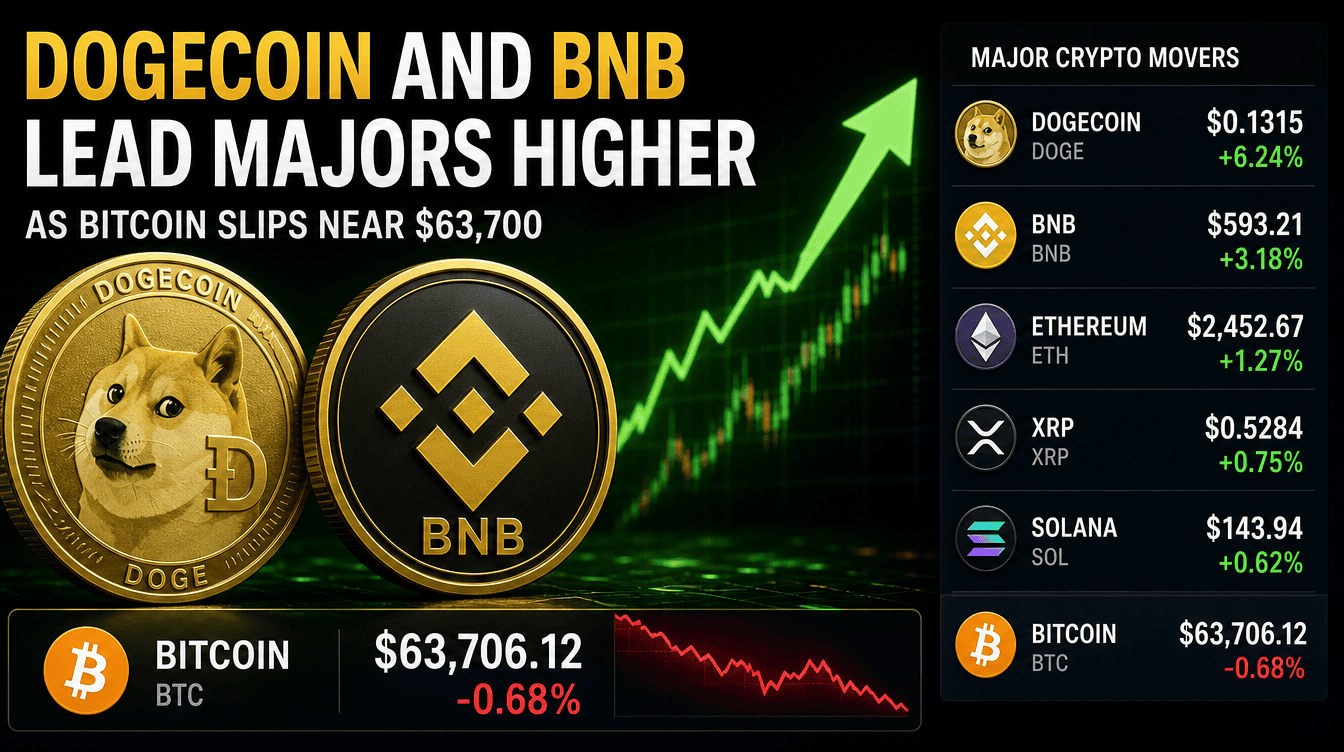
Major altcoins followed bitcoin lower. Ether dropped 1.8% to $2,114, XRP fell 2.5% to $1.41, BNB declined 1.4% to $633, Solana slid 2.1% to $88.55, and Dogecoin lost 2.7% to $0.092. On a weekly basis, only ether and solana managed to stay marginally positive, while most large-cap tokens recorded losses.
With the 48-hour deadline set to expire Monday evening, uncertainty remains elevated. If Iran does not comply, markets could face further volatility as the risk of direct strikes on energy infrastructure increases—marking a significant escalation in the conflict.
The Strait of Hormuz remains largely closed to commercial traffic, with about 20% of global oil and gas flows still disrupted.
Last week’s rally to $75,912 now appears to have been driven by short-lived hopes of a ceasefire. While the Federal Reserve’s recent dovish stance would typically support risk assets, persistent geopolitical uncertainty is keeping traders cautious and limiting strong directional bets.