cpeditor
Bitcoin’s Reality Check: Wall Street Has Arrived, and the Market Is Responding
Bitcoin’s tight correlation with U.S. equities remains intact, while its connection to gold and the U.S. dollar has all but disappeared.
Once upon a time, the phrase “Wall Street is coming for bitcoin” stirred both anticipation and anxiety within crypto circles. Today, that warning is no longer hypothetical—it’s simply the current state of play.
The original appeal of bitcoin as a censorship-resistant, decentralized asset—free from the control of governments or legacy finance—is being redefined. With institutional players and political heavyweights now embedded in the digital asset ecosystem, the independence once touted by early crypto believers is fading fast.
From Rebel Asset to Wall Street Risk-On
In bitcoin’s early days, it was proudly uncorrelated to the traditional markets. While benchmarks like the S&P 500 moved with earnings and macro headlines, bitcoin marched to its own drumbeat—driven by its defiance of the existing financial system.
A standout example often overlooked today is the 2013 Cyprus banking crisis.
When the country’s financial sector collapsed under the weight of bad loans and eurozone pressure, authorities seized nearly half of uninsured bank deposits above €100,000. In response, bitcoin rallied sharply and, for the first time in its history, broke through the $1,000 mark—a testament to its appeal as a non-sovereign alternative.
But after the fallout from Mt. Gox and the prolonged bear market that followed, the idea of institutional adoption began gaining traction. Wall Street’s entrance was seen not only as a legitimacy boost but also as a gateway to broader liquidity and price stability.
And that changed everything.
Yes, bitcoin’s volatility has cooled. But that stability has come at a cost: its status as an anti-establishment outlier.
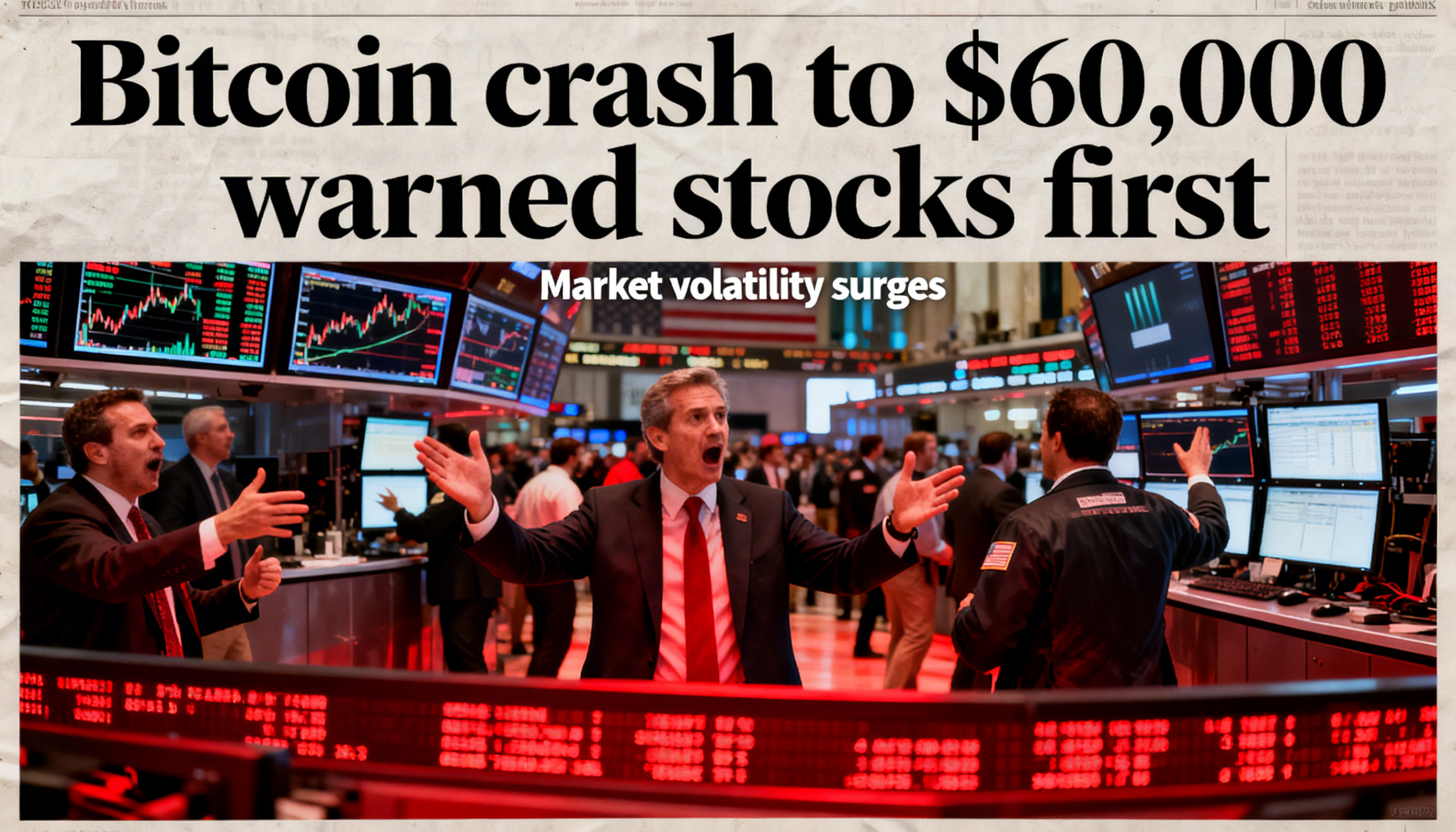
Today, bitcoin is behaving more like a macro risk asset—its movements often mirroring those of the broader equity markets.
“Bitcoin, once celebrated for its low correlation to traditional financial assets, has increasingly responded to the same factors that drive stock performance in the short term,” said NYDIG Research in a recent report.
According to NYDIG, bitcoin’s correlation with U.S. equities sat at 0.48 at the end of Q2, near the upper end of its historical range. Simply put: when stocks fall, bitcoin often does too.
If Wall Street bleeds, bitcoin bleeds with it.
What Happened to Digital Gold?
Even bitcoin’s long-held title as “digital gold” is under scrutiny.
NYDIG notes that bitcoin’s correlation with physical gold and the U.S. dollar is currently near zero—a stark departure from its supposed role as a hedge.
So what changed?
The answer is straightforward: Wall Street no longer sees bitcoin as a hedge or store of value. To them, it’s a risk-on asset, subject to the same macro forces driving equities, commodities, and bonds.
“This persistent correlation strength with U.S. equities can largely be attributed to a series of macroeconomic and geopolitical developments—tariff disputes, central bank volatility, and rising global conflicts—which have reshaped investor sentiment and repricing across all asset classes,” NYDIG stated.
In other words, bitcoin now trades on headlines: central bank moves, inflation prints, war risk. As long as those stories dominate the market narrative, BTC is likely to trade in sync with equities.
“The current correlation regime may persist as long as global risk sentiment, central bank policy, and geopolitical flashpoints remain dominant market narratives,” NYDIG added.
For Bitcoin Believers, Nothing Has Changed—Yet
Bitcoin’s long-term fundamentals remain the same: it’s still decentralized, has a fixed supply, and offers global, permissionless access.
But those features, while philosophically important, aren’t currently what the market is pricing in.
In the short to medium term, bitcoin is being treated like just another ticker on the stock board.
And while that might frustrate early adopters, it also means traders need to adjust expectations. Until the macro environment shifts, BTC will likely continue to trade as part of the broader risk-asset basket.
So if you’re in it for the tech or the ideology, keep holding. But if you’re trading, be realistic: bitcoin moves with Wall Street now.