cpeditor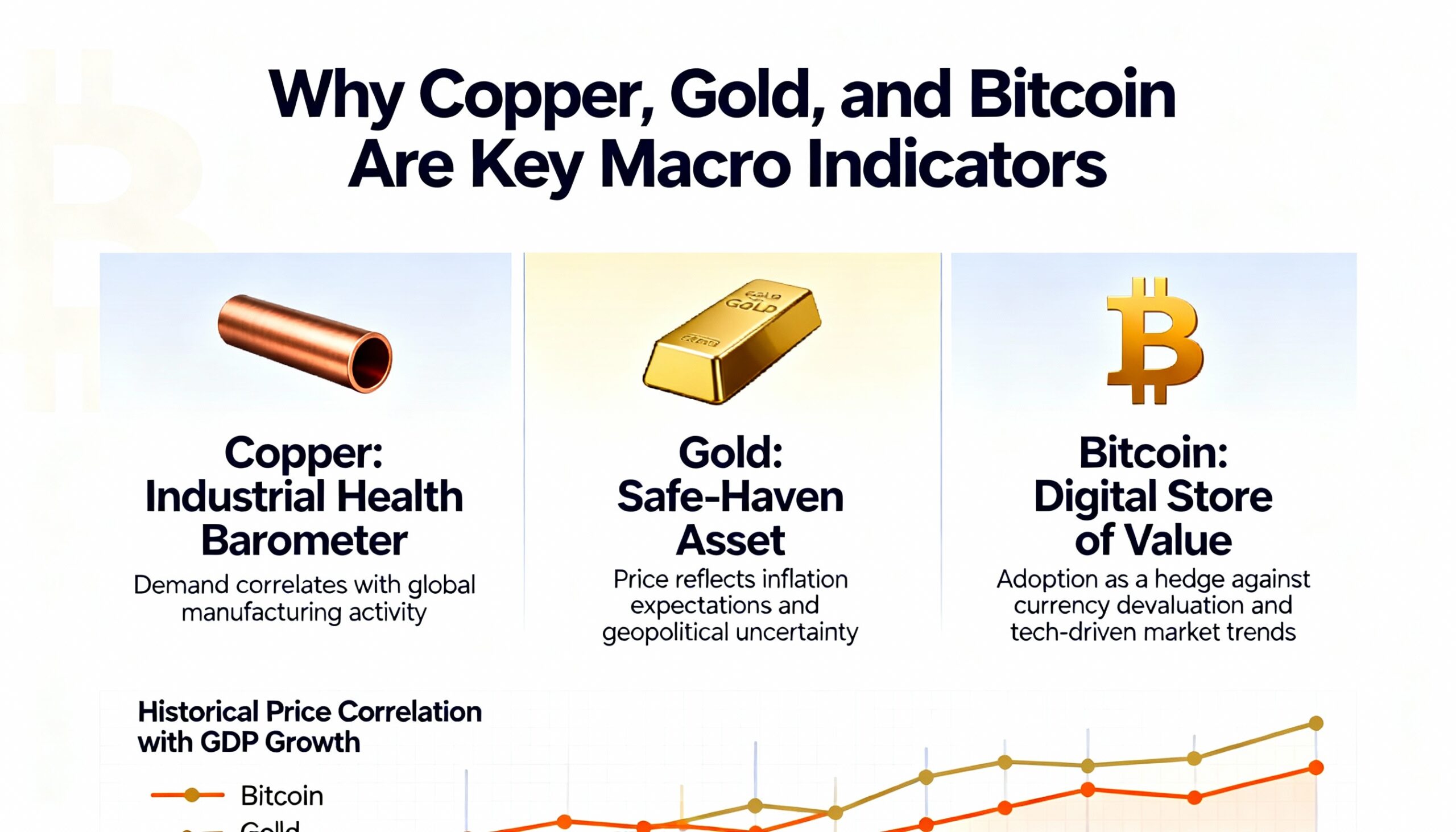
Copper-to-Gold Ratio Turns Higher, Flashing a Key Macro Signal for Bitcoin
The copper-to-gold ratio is moving higher, a shift that has historically lined up with major turning points in Bitcoin’s price cycles. Often used as a gauge of economic momentum and investor risk appetite, the ratio has shown a persistent relationship with Bitcoin (BTC $91,997), according to analyst SuperBitcoinBro.
Copper’s price is closely tied to industrial demand and typically rises during periods of economic expansion. Gold, on the other hand, is a traditional defensive asset that tends to outperform when growth expectations weaken. As a result, a rising copper-to-gold ratio is widely interpreted as a risk-on signal, while a falling ratio suggests rising caution among investors.
In past cycles, peaks in the ratio — notably in 2013, 2017, and 2021 — coincided with Bitcoin’s market tops, reflecting periods of strong global growth expectations and elevated speculative behavior. Just as important, however, is the ratio’s behavior after prolonged downturns. Historically, reversals from depressed levels have often preceded significant Bitcoin rallies, particularly when they align with Bitcoin halving cycles.
Bitcoin halvings, which occur roughly every four years and reduce miner rewards by 50%, tighten new supply and have historically supported longer-term bull markets. During the fourth halving in April 2024, the copper-to-gold ratio was still declining. That trend has since shifted, with the ratio rebounding to around 0.00136 after bottoming near 0.00116 in October.
The move higher comes as copper prices break above $6 per pound to record highs, while gold trades near $4,455 per ounce, also close to its peak. Over the past three months, copper has risen about 18%, with gold up roughly 14%.
If copper’s strength is driven by improving growth expectations rather than supply constraints alone, the resulting risk-on signal could provide macro support for Bitcoin as it heads into 2026.