cpeditor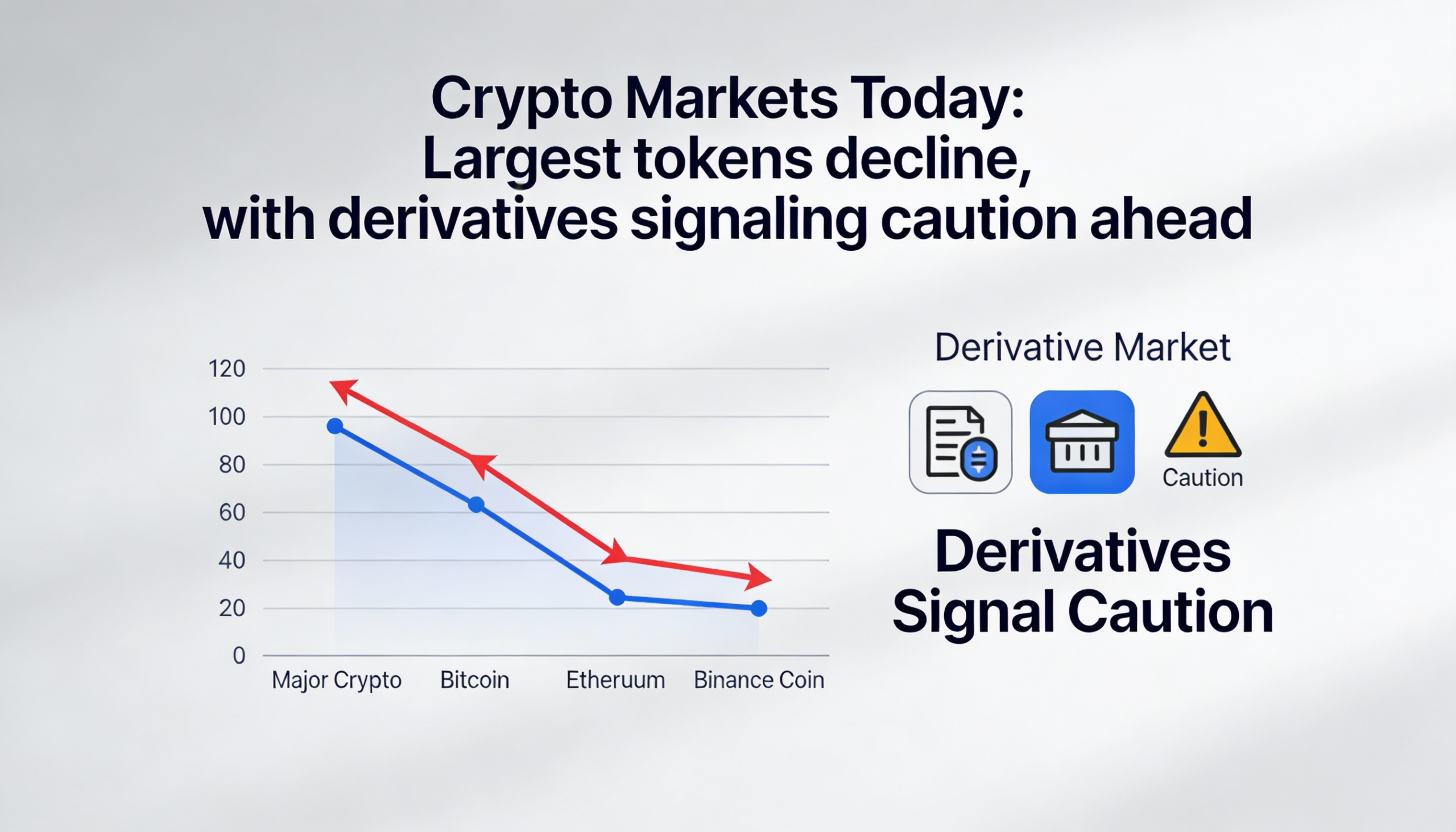
Crypto Markets Slide as Fed Holds Rates and Risk-Off Sentiment Hits
Even though the Federal Reserve’s decision to keep interest rates at 3.5%-3.75% was widely expected, rising geopolitical tensions and a shift into safe-haven assets pushed crypto markets lower.
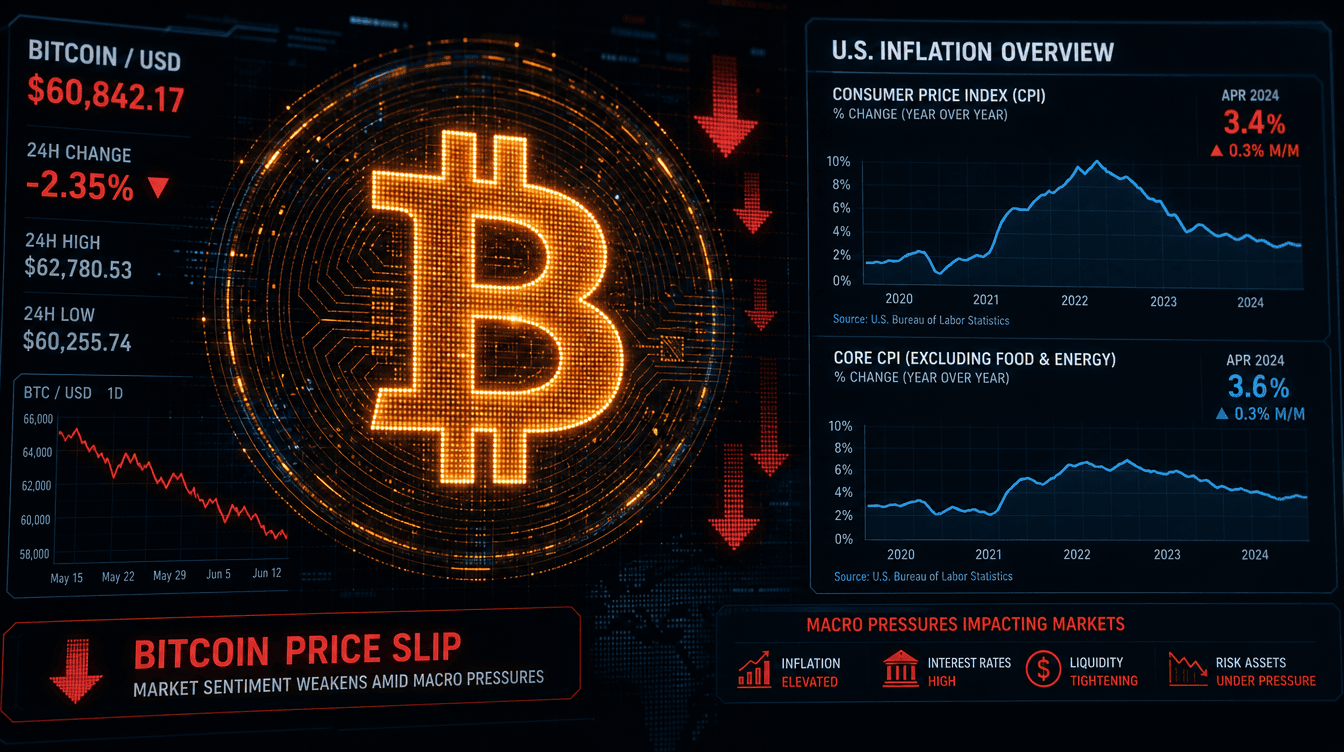
Bitcoin BTC $82,550.64 retreated toward $88,000, while U.S. stocks showed mixed moves, with the S&P 500 briefly topping 7,000 before pulling back amid major earnings reports.
Crypto was harder hit: the CoinDesk 20 (CD20) index fell 2.9%, while gold jumped above $5,500 an ounce, lifting XAUT $4,897.90, and silver rose to $117. Bitcoin continues to trade more like a liquidity-sensitive risk asset than a hedge, despite the U.S. Dollar Index (DXY) hitting a four-year low.
Derivatives and Market Signals
- Crypto futures open interest dropped nearly 3% to $132.26 billion, with $348.3 million in long liquidations over 24 hours.
- BTC and ETH implied volatility remains near multimonth lows, signaling expectations of calmer conditions.
- Perpetual funding rates for major tokens are near zero, with XLM negative, reflecting bearish bias.
- Options markets show BTC and ETH puts trading at a premium, with ether showing stronger put bias.
Token Updates
- Optimism approved a 12-month plan to buy back OP tokens with network revenue. Pending final approval, ETH from sequencer fees will convert into OP starting February.
- Half of the Superchain’s $17 million revenue last year will fund monthly token purchases.
- OP has dropped 80% over the past year and another 5% in the last 24 hours, trading below 29 cents.