cpeditor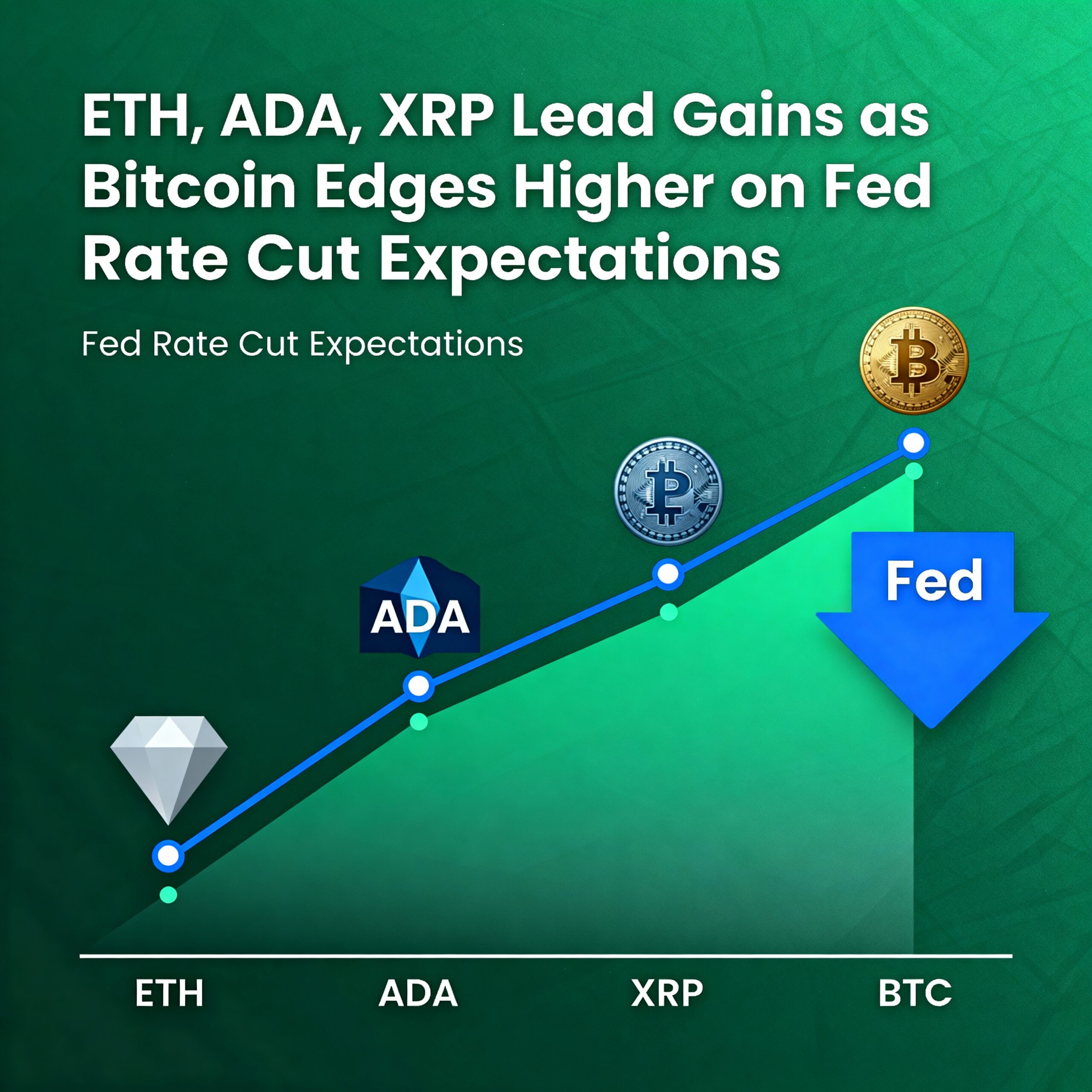
Asian Equities Edge Higher as Markets Eye Fed, Bitcoin Holds Above $91K
Asian equities opened the week modestly higher ahead of a packed schedule of central bank decisions, including a Federal Reserve meeting where markets largely expect a 25-basis-point rate cut.
MSCI’s Asia-Pacific benchmark gained around 0.2%, led by tech stocks, while U.S. futures and the dollar drifted lower. Crypto markets followed the broader risk-on tone, with Bitcoin trading just above $91,300 on Monday. Over the past 24 hours, BTC rose 2%, and it has gained more than 6% over the past week, extending last week’s rebound but meeting early resistance near $94,000.
FxPro analyst Alex Kuptsikevich noted that the current recovery remains part of a corrective pattern but said momentum could push Bitcoin toward $98,000–$100,000 if it holds.
Ethereum and Major Altcoins
- Ether gained 3%, trading near $3,135 and recording a 10.6% weekly advance.
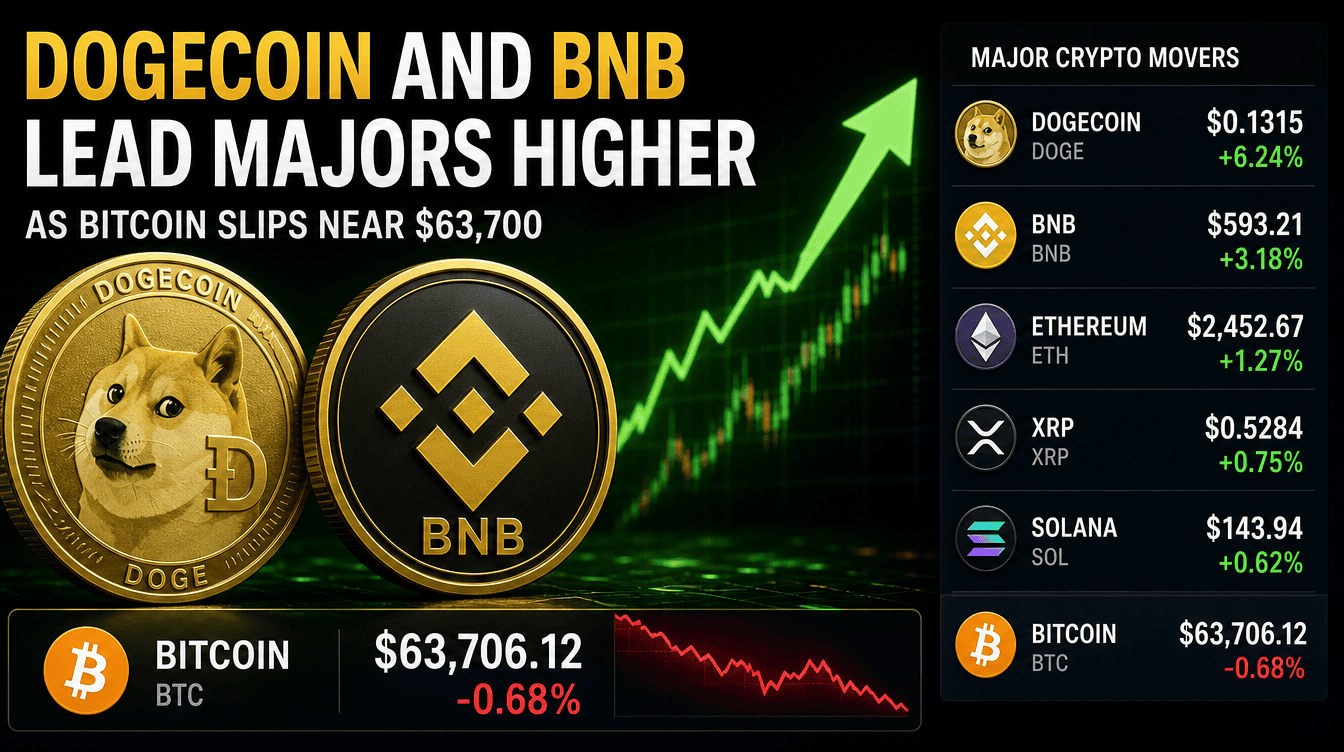
- BNB added 1%, Solana rose 1.6%, Lido’s stETH climbed almost 3%, and XRP traded around $2.08 following a 1.2% uptick.
- Cardano lagged, slipping roughly 1.4%.
Despite the rebound, market sentiment remains cautious. CryptoQuant’s Bull Score fell to zero for the first time since early 2022, signaling bearish cycle conditions. CEO Ki Young Ju warned that without fresh liquidity, the market could enter a deeper slowdown, with internal models projecting a $55,000–$70,000 Bitcoin range for 2025.
Medium-Term Catalysts
K33 Research highlighted potential upside drivers, including expected 401(k) rule changes by early 2026 that could direct retirement flows into Bitcoin. Meanwhile, Ethereum developers completed the Fusaka hard fork, delivering upgrades aimed at improving scalability and network efficiency.
Macro Outlook
Monday’s muted equity gains reflect the absence of fresh catalysts, with traders awaiting Fed guidance and assessing whether easing will be sufficient to sustain risk appetite. Kuptsikevich compared Bitcoin’s recent behavior to previous cycle pullbacks in 2013, 2017, and 2021, noting that the market has already absorbed a significant two-month drawdown heading into December’s policy window.