cpeditor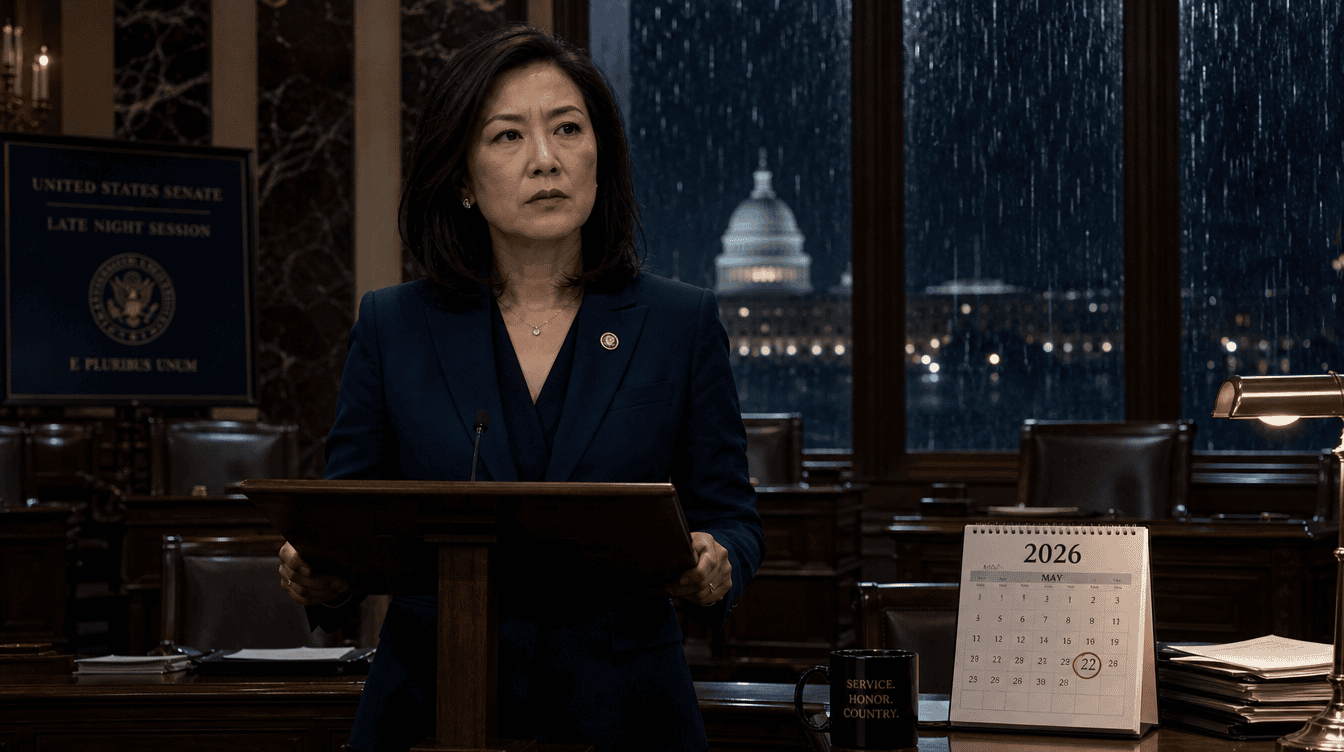
The Digital Asset Market Clarity Act is effectively out of reach for 2026, as an unresolved ethics dispute continues to block the 60 votes needed to advance the bill in the Senate.
As the August recess approaches, the U.S. Senate has sidelined the Digital Asset Market Clarity Act (H.R. 3633), pushing the 616-page consolidated proposal—released by Senate Republicans on July 22, 2026—down its agenda. With limited floor time and no resolution on a key ethics provision, bipartisan support remains out of reach.
Despite clearing the House with a 294–134 vote on July 17, 2025, and passing the Senate Banking Committee 15–9 on May 14, 2026, the bill has sat on the Senate Legislative Calendar (No. 423) since June 1 without a scheduled cloture vote.
This is more than a timing issue. The pre-August window was widely viewed as the final realistic opportunity for passage this year. Missing it effectively pushes comprehensive U.S. crypto market structure legislation into the next Congress.
Clarity Act Update: Ethics Divide Halts Progress
The July 22 draft merged the Senate Banking Committee’s proposal with the Digital Commodity Intermediaries Act, previously advanced by the Senate Agriculture Committee on January 29, 2026. It also introduced a new government ethics section developed with the White House—an addition that ultimately became the central point of contention.
According to reports, a closed-door meeting involving key senators and White House Crypto Council Executive Director Patrick Witt ended without agreement. Talks collapsed after Republicans and the White House removed a provision that would have allowed state attorneys general to sue the Department of Justice.
The dispute is largely tied to concerns over Donald Trump’s crypto holdings, which have fueled Democratic opposition. This issue remains the primary obstacle to securing the additional Democratic votes—estimated at seven—needed to reach the 60-vote cloture threshold.
Legislative Path: Key Steps Still Pending
To move forward, Senate leadership must file for cloture on Calendar No. 423, which requires 60 votes.
Even if that hurdle is cleared, the Senate version must still be reconciled with the House-passed bill before a final version can be sent to the president. As of late July 2026, neither step has been scheduled.
The proposal preserves a split in oversight between the CFTC and the SEC, assigning digital commodities to the CFTC while placing certain related assets under SEC jurisdiction. It also refines the criteria used to determine when assets fall under SEC oversight.
Custody provisions remain unresolved. The Senate Banking version limits eligible custodians, generally requiring registration with either the SEC or CFTC. Negotiators have yet to finalize an 18- to 24-month transition period for compliance with custody and reporting rules.
Market Impact: Uncertainty Lingers
Policy analysts at Galaxy Research, Beacon Policy Advisors, and Stifel agree that the pre-recess window represented the last realistic chance for passage in 2026. Once lawmakers leave Washington, midterm election pressures are expected to stall further progress on the current bill.
Some analysts believe the White House’s decision to drop the attorney general enforcement provision reflects a strategic trade-off—preserving federal oversight authority at the cost of losing Democratic support—further reducing the chances of a pre-recess vote.
For the crypto industry, the delay extends uncertainty around the regulation of exchanges, custodians, and DeFi platforms, many of which had expected clearer rules before year-end. Previous developments tied to the Clarity Act have also influenced Bitcoin price movements.
If no cloture vote occurs before recess, attention will likely shift to regulatory actions by the SEC and CFTC, as well as efforts to introduce a revised legislative framework in the 120th Congress.