cpeditor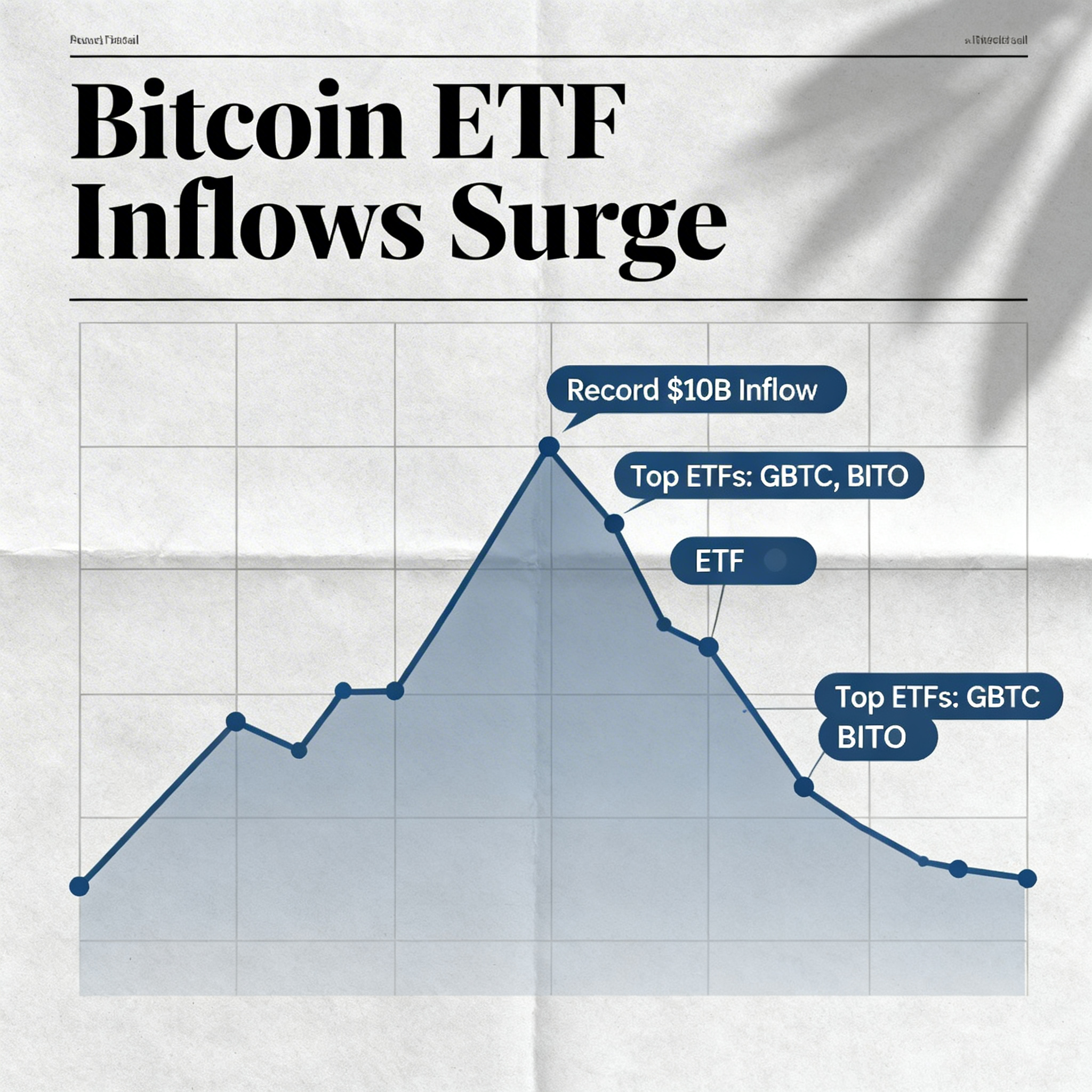
Fresh inflows into U.S. spot bitcoin ETFs have not yet translated into a meaningful price move for Bitcoin, a disconnect analysts say may reflect the mechanics behind how these funds operate.
According to analysts at Bitfinex, investors have poured roughly $1.4 billion into spot bitcoin ETFs over the past five trading days, even as bitcoin’s spot price continues to trade sideways. The analysts caution that ETF inflows are often interpreted as immediate buying pressure, when in reality the relationship between inflows and spot market demand can involve delays.
In commentary shared with CoinDesk, the analysts explained that the structure of ETFs can create a lag between new capital entering a fund and the actual purchase of the underlying asset. This delay means the price impact on bitcoin may not be immediate.
Exchange-traded funds function as pooled investment vehicles that hold assets such as bitcoin and issue shares that trade on stock exchanges like regular equities. The share price is designed to closely track the value of the underlying holdings. Since the launch of 11 spot bitcoin ETFs in the U.S. in January 2024, these products have collectively recorded more than $55 billion in cumulative inflows.
A key role in the ETF ecosystem is played by authorized participants (APs), typically large financial institutions, market makers, or broker-dealers responsible for creating and redeeming ETF shares. When demand pushes the ETF price above the value of its underlying holdings, APs step in to create new shares and sell them, helping bring prices back in line.
However, the creation process can involve selling ETF shares before the underlying bitcoin is actually purchased. APs may short ETF shares first and acquire the corresponding bitcoin later—sometimes hours later or by the next business day—depending on whether creations occur in cash or in-kind.
Because of this timing difference, ETF demand can rise while the spot market has yet to experience the associated bitcoin buying. By the time the actual purchases take place, they may coincide with other selling pressure in the market, muting the overall effect on price.
Analysts at Bitfinex say this dynamic likely helps explain the recent surge in ETF inflows alongside relatively subdued price action.
“The result is that the ETF grows, but the actual BTC price doesn’t rise because there has been no buying in the spot market,” the analysts noted, adding that this can leave bitcoin appearing temporarily “stuck” despite strong demand for ETF shares.
They also said that while such mismatches are usually short-lived, periods of market stress or dislocation can widen the gap between ETF demand and real spot buying, occasionally leading to brief pricing inefficiencies.


 Admin
Admin