cpeditor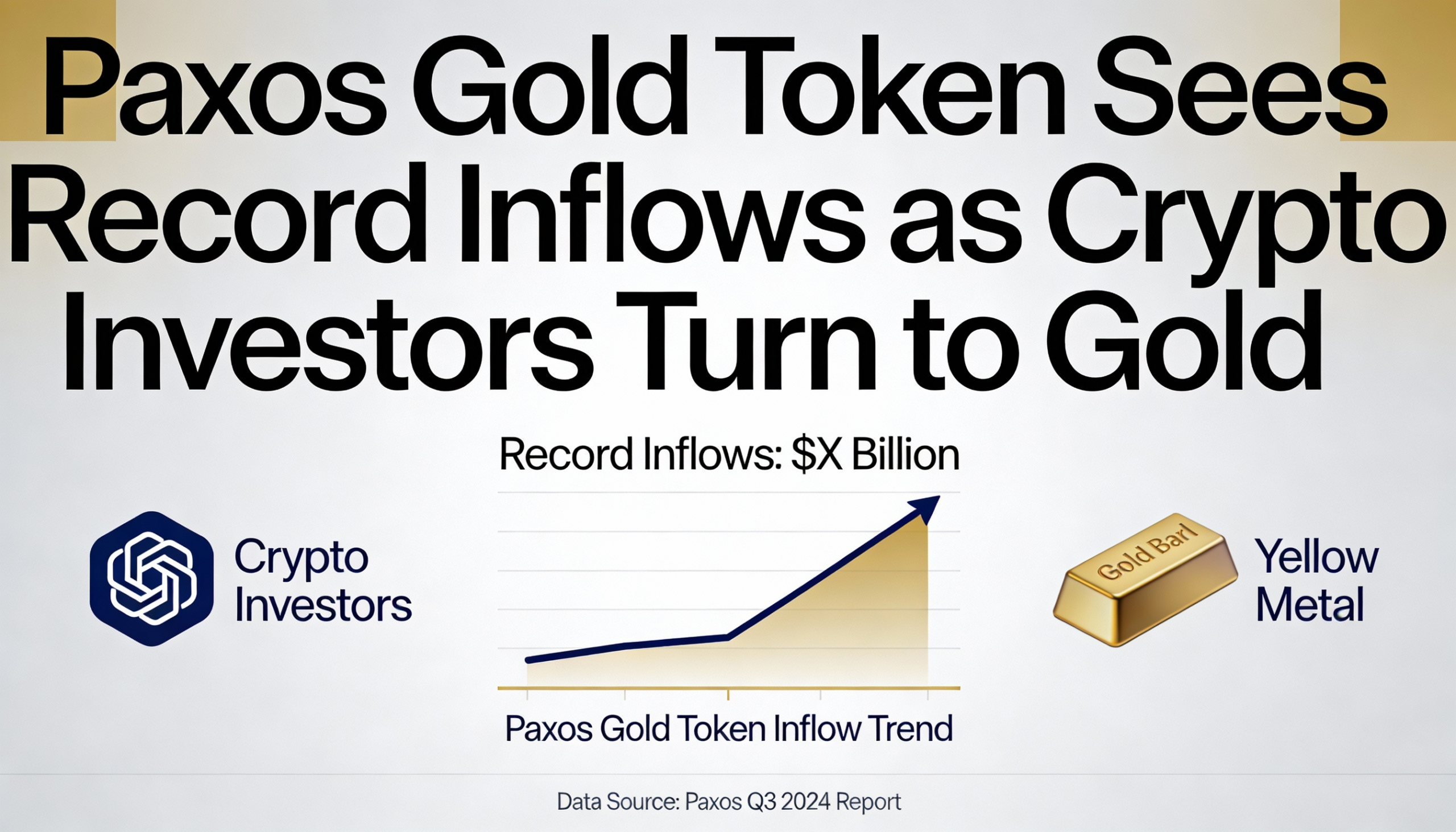
Crypto investors are increasingly turning to tokenized gold as digital asset markets stall, sending January inflows to Paxos’ gold-backed token to record levels.
Paxos Gold (PAXG), backed by physical bullion stored in LBMA-approved vaults in London, saw more than $248 million in net inflows during the month, according to DefiLlama data. That pushed its market capitalization above $2.2 billion, second only to Tether Gold (XAUT).
The surge in demand comes amid a strong rally in gold itself. The precious metal topped $5,300 per ounce on Wednesday, up 22% in January and more than 90% over the past year. Bitcoin, by comparison, has fallen over 10% in the same period, with the broader crypto market also under pressure.
The divergence has driven some crypto investors toward blockchain-based gold as a hedge against macroeconomic uncertainty, said James Harris, CEO of crypto yield platform Tesseract Group.
“Tokenized gold has enhanced gold’s utility, particularly through greater transferability and divisibility,” Harris said. “Bitcoin continues to trade more like a risk asset in periods of macro stress.”
Tokens like PAXG and XAUT provide fractional ownership of physical gold, enabling on-chain transfers and crypto wallet storage. This allows investors to gain exposure to a centuries-old store of value without the need for physical custody.
The total market capitalization of tokenized gold has now surpassed $5.5 billion, according to CoinGecko, reaching an all-time high as rising demand and strong gold prices drive the sector forward.