cpeditor
In today’s Bitcoin update, shareholders of Satsuma Technology have overwhelmingly approved a plan to sell the company’s remaining 668 BTC—valued at approximately $43.5 million—and halt its London Stock Exchange delisting. Backed by more than 90% of votes, the decision overrides most of the board and effectively ends a short-lived Bitcoin treasury strategy that lasted less than 12 months.
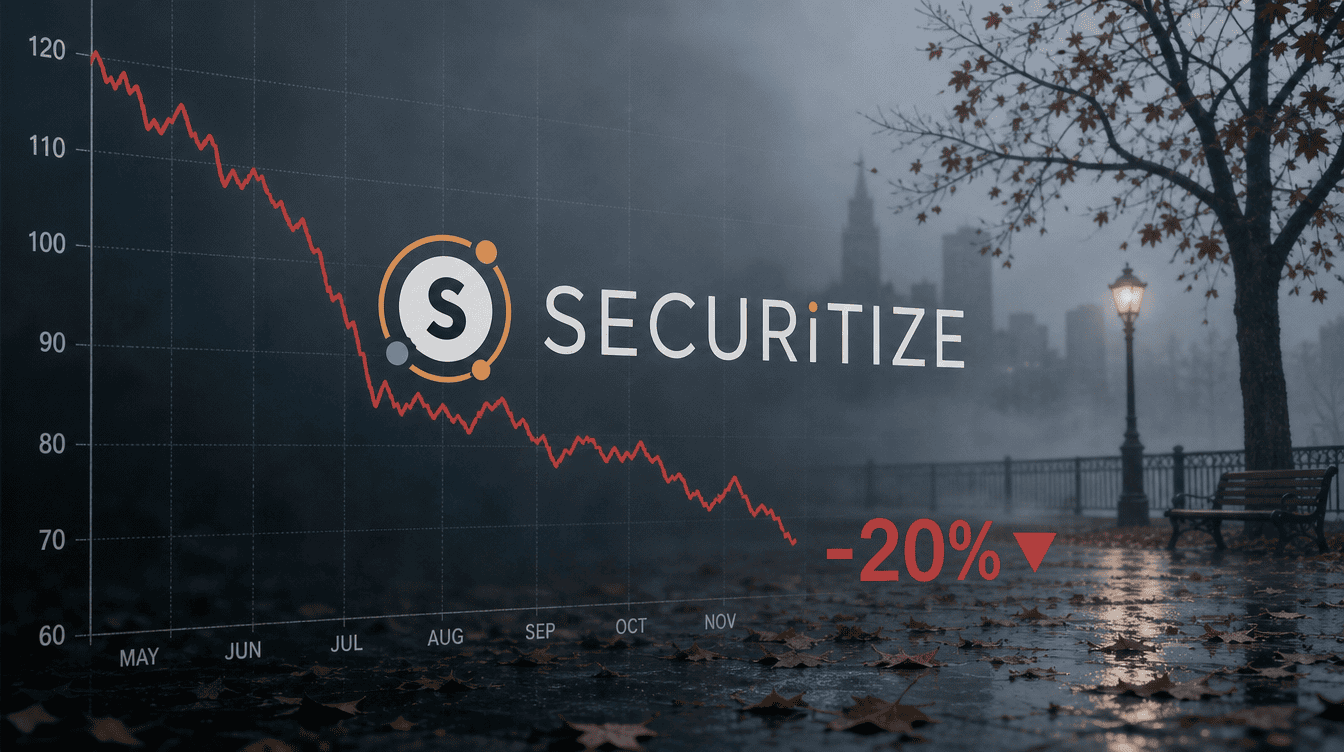
The move highlights a significant destruction of investor value in the UK crypto market. Of the £163.6 million raised in August 2025, shareholders are now expected to recover only £26.8 million to £30 million after costs—equating to less than 20% of the original capital.
This development comes as Bitcoin records a modest 0.4% daily gain but continues to trade below $66,000. The asset is currently priced around $65,700, with daily trading volume near $31.8 billion.
From Rapid Fundraise to Sharp Decline
Satsuma began as TAO Alpha, a small AI-focused company, before rebranding and pivoting to a Bitcoin treasury model. In August 2025, it appointed Bitcoin commentator Mark Moss as Chief Bitcoin Strategist to guide the shift.
The company raised £163.6 million through convertible notes led by ParaFi Capital, with participation from Pantera Capital, Digital Currency Group, and Kraken. A portion of the funding—1,097 BTC—was contributed directly instead of roughly $97 million in cash.
Shares climbed to around £14 in June 2025, while Bitcoin surged to a record $126,000 in October. However, the subsequent market downturn drove both BTC prices and Satsuma’s valuation sharply lower.
By December 2025, the firm began liquidating assets to maintain solvency, selling 579 BTC for £40 million to repay noteholders who declined to convert their debt into equity. Leadership turnover followed, with the CFO departing in February 2026 and the CEO stepping down in March. By April, the stock had lost more than 99% of its peak value.
At that stage, Pantera Capital—holding roughly 6.7% of shares—called for full liquidation, arguing that the company’s market capitalization had fallen below the value of its Bitcoin reserves. A shareholder group representing over 20% of issued capital formally brought the proposal to a vote.
The board was deeply divided, with four directors opposing liquidation and two supporting it. Ultimately, the decisive shareholder vote rendered the board majority’s stance irrelevant.
Pressure on the Treasury Model
Satsuma’s collapse underscores the fragility of the digital asset treasury (DAT) model, which gained traction among UK small-cap firms in 2025. Modeled loosely on strategies like MicroStrategy’s, these companies aimed to provide indirect Bitcoin exposure through equity while maintaining minimal operating businesses to comply with listing requirements.
The model performs well during bullish cycles but can quickly break down when both Bitcoin prices and equity valuations decline. Convertible debt obligations often force asset sales at unfavorable times, amplifying losses.
Regulatory pressures in the UK further complicate the model, creating additional challenges for listed crypto treasury firms.
The company’s wind-down will proceed via a “B Share Scheme,” a legal mechanism used to return capital to shareholders. Shutdown costs are estimated at £2.7 million, including legal fees, severance, delisting expenses, and insurance. Including prior Bitcoin sales, total returns are projected at £66–70 million—well below the £163.6 million originally raised.
Importantly, convertible noteholders rank ahead of equity holders in the payout structure, meaning ordinary shareholders may receive significantly less than the headline recovery figures.
At the time of the vote, Satsuma was the UK’s second-largest publicly listed Bitcoin treasury firm. The Smarter Web Company, holding 2,878 BTC, now leads the sector and has not indicated any plans to wind down. However, Satsuma’s outcome is likely to intensify scrutiny across similar firms.
The situation also contrasts with Michael Saylor’s strategy of holding Bitcoin through downturns rather than liquidating under pressure—an approach that remains a key point of debate in corporate crypto circles.
Timeline and Final Distribution
The wind-down still requires approval from the UK High Court, with hearings scheduled for August and September 2026. The company is expected to delist from the London Stock Exchange by mid-September, with shareholder distributions likely to follow later that month.
For investors, the final payout will depend largely on the sale price of the remaining 668 BTC. Even small movements in Bitcoin’s price could shift the recovery range away from the current estimate of £26.8 million to £30 million.
As noteholders are prioritized in repayments, equity investors will only receive what remains after all obligations and costs are settled, placing them last in the payout hierarchy.